Solutions
How Food & Beverage Brands Win with Development in 2026
Discover how premium F&B brands are redefining digital presence in 2026—and the development strategies driving measurable results.
The New Digital Landscape for Food & Beverage
The rules of engagement have shifted. In 2026, a great product and beautiful space are no longer enough to guarantee a brand’s success. The most forward-looking Food & Beverage brands understand that their digital presence must feel every bit as intentional, textured, and memorable as the dining experience itself. This isn't about a glossy website or a well-lit Instagram grid. It’s about a cohesive development strategy that treats every digital touchpoint as an extension of the brand’s physical atmosphere—crafted with the same care as the plating on a table.
For independents and groups alike, the challenge is consistent: how do you bottle atmosphere and serve it through a screen? The brands winning right now are the ones that invest in development not as a one-off project, but as an ongoing, strategic discipline. They’re building digital infrastructure that supports discovery, conversion, and loyalty. And they’re seeing real, hard metrics as a result.
Why Atmosphere Must Translate Online
A premium dining environment is built on subtle cues—lighting, texture, sound, the weight of a glass. These cues signal quality before a single bite. But online, those cues disappear. The best F&B brands in 2026 are closing that gap by using development to digitise atmosphere. They’re investing in high-fidelity cinematography, immersive website experiences, and content that doesn’t just show food—it evokes a feeling.
The key is consistency. If your brand’s in-person energy is warm and convivial, your digital content should reflect that same energy. If your space leans into minimalist elegance, your website and social channels should echo that restraint. When the gap between what a customer experiences in person and what they see online narrows, trust builds. And trust converts.
The Development Mindset: Content as Infrastructure
Too many brands treat content as a separate function from development. In 2026, the winners are treating content as infrastructure. Every video, every photograph, every page structure is built with a clear strategic purpose. Development here means thinking about the full customer journey: from first discovery on social media, through website exploration, to reservation and post-visit engagement.
This approach demands a shift in investment. Instead of hiring a photographer for a single shoot, brands are contracting ongoing creative partnerships. Instead of designing a website once and leaving it untouched, they’re iterating based on performance data. Development becomes a cycle, not a one-off task. And the results speak for themselves.
From Challenges to Metrics: The Royal Palm Example
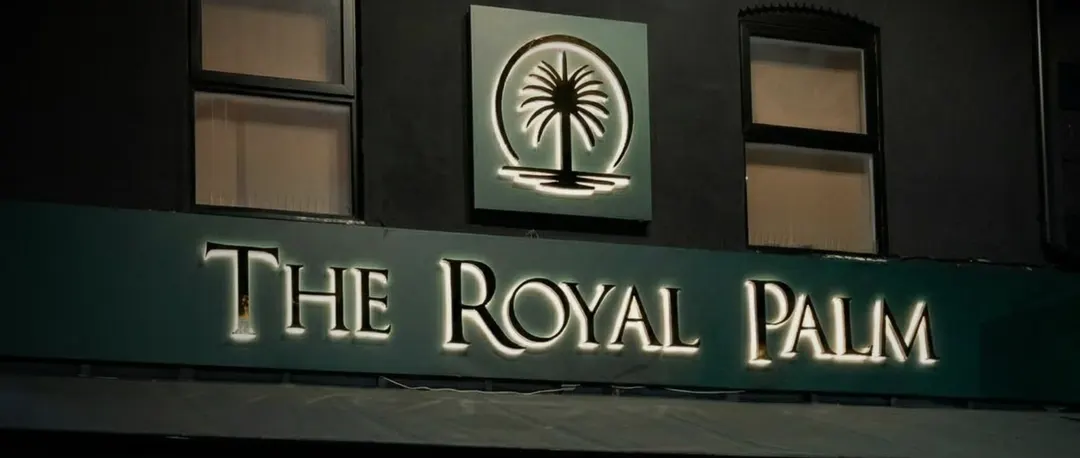
Take a real-world proof point. The Royal Palm, a premium Food & Beverage destination with a strong product and enviable physical environment, found itself hitting a ceiling online. Their existing digital content simply didn’t carry the same weight as their in-person experience. The challenge was relatable: great brand, weak digital translation.
Centauri partnered with the team to rethink their development approach entirely. We deployed a refined visual strategy centred on high-fidelity cinematography and a cleaner, more premium aesthetic—aligning every frame with the brand’s existing positioning. The focus shifted to lighting, texture, and atmosphere. By treating the content pipeline as core infrastructure, we helped The Royal Palm create digital assets that felt as intentional as their dining room.
The number that matters: +1.5 million views. That’s the measurable result of a development strategy that prioritised quality over volume, consistency over frequency. It’s a direct line from strategic investment to audience attention. And for any F&B brand wondering whether development spending pays off, that number is a clear answer. You can read the full The Royal Palm case study for deeper context.
What This Means for 2026
The implication is straightforward: F&B brands that win in 2026 will be the ones that treat their digital presence as seriously as their physical one. They’ll stop seeing development as a cost centre and start seeing it as a growth lever. They’ll audit their current content not by its volume but by its effectiveness in conveying atmosphere. They’ll measure success not by likes but by engagement time, booking conversions, and repeat visits.
This isn’t a trend reserved for Michelin-starred restaurants or global chains. Independent operators, regional groups, and new openings can all benefit from a development-first mindset. The barrier isn’t budget—it’s intention. Small, consistent investments in high-quality visual storytelling, paired with a clean digital architecture, yield outsized returns when done with discipline.
Building a Development Roadmap
Where do you start? First, audit your current digital assets with an honest lens. Does your website feel like your space? Does your video content convey the same energy a guest feels when they walk through your door? If not, that’s your gap.
Second, prioritise depth over breadth. A single cinematic 90-second video shot with intention will outperform a dozen hastily produced posts. Invest in your narrative structure, choose your visual language deliberately, and then let that language guide everything else.
Third, treat development as a relationship, not a transaction. The brands that see the best results work with partners who understand their ethos, visit their space, and can translate that experience into digital assets over time. At Centauri, our Solutions (opens in a new tab) practice is built around that exact principle—development as an ongoing partnership, not a one-off deliverable.
Finally, set measurable goals. Whether it’s views, dwell time, or reservation clicks, tie your development investment to a metric that matters for your bottom line. The Royal Palm’s +1.5 million views didn’t happen by accident. It happened because a strategic decision was made, executed well, and measured.
The Bottom Line
The F&B brands that lead in 2026 will be those that understand development is not about keeping up—it’s about standing out. It’s about closing the gap between the physical and the digital with intent, craft, and consistency. The technology and tools are widely available. The differentiator is mindset. And the proof, as the numbers show, is in the results.
Want the full story? Read our case study with The Royal Palm.