Marketing
How to Stay Ahead: Food & Beverage Content Marketing Trends for 2026
The brands that win in 2026 will be the ones that swap polished perfection for raw, cinematic authenticity — and back it with real data.
Why F&B Content Marketing Is Entering a New Era
The food and beverage industry has always lived and died by its imagery. A drool-worthy dish, a perfectly lit dining room, a satisfied guest — those are the currencies of attention. But by 2026, the game has shifted. Diners are savvier, social algorithms favour genuine engagement over simple promotional posts, and the line between content and advertising has all but vanished. To cut through, restaurants, cafes, and pizza joints need to think less like a menu and more like a media channel.
The key trends shaping Food & Beverage content marketing in 2026 revolve around three pillars: cinematic storytelling, deep community roots, and data-driven personalisation. Let’s unpack each one, with a real-world proof point that turned a premium dining destination into a local viral sensation.
Trend #1: Cinematic Visuals That Defy Geography
Gone are the days of quick snapshots on a phone. Today’s diners expect a visual experience that transports them before they ever take a bite. High-production video, drone shots, slow-motion pours, and lighting that feels lifted from a film set are now baseline expectations — not bells and whistles.
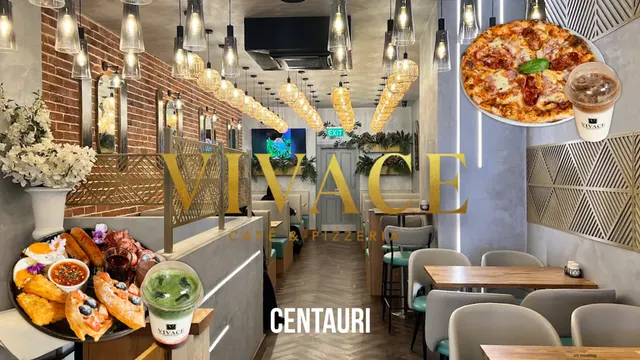
We saw this principle in action for a client that needed to overcome the perception of its location. Vivace Cafe & Pizzeria sits in the heart of Alum Rock, Birmingham — a neighbourhood not always associated with premium dining. Rather than playing it safe with generic food photos, Centauri’s content marketing team applied a “visual contrast branding” approach: cinematic, polished content that highlighted the stunning interior and positioned the venue as a hidden sanctuary. The result wasn’t just pretty pictures — it was palpable proof that great food content can defy local geography.
The numbers tell the story: that campaign drove over 1.1 million impressions, 32,000+ likes, 11,000 shares, and 858 comments. Those aren’t vanity metrics; they represent real conversations, reservations, and repeat visits. For a full breakdown of how we used visual storytelling to reposition a local gem, you can read the full Vivace case study.
Trend #2: Authenticity Over Airtight Production
Counterintuitive as it may sound, while production values need to be high, the content itself must feel unfiltered. The most engaging F&B content in 2026 blurs the line between “ad” and “behind-the-scenes.” Think chef mistakes, staff banter, messy kitchens, and the real energy of a Friday night rush.
This is where community-driven storytelling shines. Restaurants that feature user-generated content (UGC) — a regular’s favourite table, a couple on their first date, a kid smearing sauce across a pizza box — create a sense of belonging. Algorithms reward this because it sparks genuine interaction: comments like “I was there!” or “We need to try that spot.”
For Vivace, the polished cinematic content was paired with student-centric marketing that felt inclusive and authentic. It wasn’t just a “look at our beautiful space” campaign; it was an invitation to become part of a story. That blend of high production and authentic voice is what drove the shares and comments into the thousands.
Trend #3: Hyper-Personalised Content Powered by Zero-Party Data
In 2026, blanket content strategies are dead. Diners expect to see offers and stories that reflect their preferences — vegetarian options if they’ve browsed them before, date-night packages if they’ve searched for “romantic dining,” or a spotlight on the dish they last ordered.
The smartest F&B brands are building content funnels that start with zero-party data (data the customer willingly shares, like their birthday or favourite cuisine). That information fuels personalised email sequences, tailored social retargeting, and dynamic website content. Imagine a quiet Monday lunch: you send a short video of the chef prepping a special that you know a subset of your audience loves — suddenly you’ve turned a slow shift into a full house.
This doesn’t require a massive tech stack. Even simple segmentation — regulars vs. first-timers, brunch crowd vs. evening crowd — can dramatically boost engagement. The key is to let the data guide your content calendar, not just the calendar itself.
Trend #4: Short-Form Video Still Reigns, But Long-Form Is Rising
Platforms like TikTok, Instagram Reels, and YouTube Shorts have conditioned audiences to consume quick hits. But a subtle shift is underway: viewers are increasingly spending time on longer, richer content — think a 10-minute chef’s process video, a tour of a family farm that supplies your produce, or a mini-documentary about your restaurant’s history.
The winning strategy for 2026 is a “barbell” approach: short, punchy, scroll-stopping clips to drive discovery, paired with longer, story-driven pieces to deepen loyalty. Your 15-second Reel gets someone through the door; the 8-minute video on your website or YouTube channel turns them into a regular.
Vivace’s campaign didn’t rely solely on short clips. The cinematic content was versatile — usable across TikTok, Instagram, and even YouTube pre-roll. That flexibility multiplied the reach and ensured the same visual equity worked in both short bursts and longer brand stories.
Making It Work: Practical Steps for Your F&B Brand
If you’re looking to implement these trends, start with these three actions:
- Audit your content mix. How much is purely promotional versus truly storytelling? Aim for a 70/30 split favouring narratives that showcase personality, atmosphere, and people.
- Invest in at least one cinematic asset. Hire a videographer for a day to capture your space and kitchen in natural light. Cut that footage into multiple formats — a hero video, a 30-second social cut, and a 5-minute brand film.
- Collect one piece of data per reservation. Ask for a favourite dish or occasion on booking forms. Use that to personalise a thank-you message or a follow-up offer.
The brands that embrace these trends won’t just survive 2026 — they’ll become destinations in their own right.
Need a Partner to Build Your Content Engine?
Creating impactful food and beverage content is more than just a camera and a hashtag. It takes strategy, creative conviction, and the ability to turn a meal into a movement. At Centauri, we’ve helped brands like Vivace Cafe & Pizzeria generate millions of impressions by blending cinematic quality with authentic community stories. If you’re ready to put these trends to work, explore how Centauri’s marketing services (opens in a new tab) can help you craft content that feeds both the soul and the bottom line.
Want the full story? Read our case study with Vivace Cafe & Pizzeria.