Solutions
Real Estate Development Trends 2026: Why Proptech Is the New Foundation
How property portals, mobile-first platforms, and 90-day delivery cycles are setting the benchmark for modern real estate development—and what one client's success means for the industry.
The Acceleration of Digital Transformation in Real Estate
The real estate development landscape is shifting faster than ever. By 2026, the lines between physical construction and digital infrastructure are blurring. Developers who once focused solely on bricks and mortar are now investing heavily in proptech—technology that enhances how properties are managed, leased, and experienced. The trend is clear: a building without a connected digital layer is no longer competitive.
Tenant expectations have risen dramatically. They want instant access to account management, maintenance requests, and communication—all from their phones. Landlords, meanwhile, need tools to streamline operations across multiple properties while reducing overhead and error. The gap between what tenants expect and what many legacy systems deliver is widening, creating a massive opportunity for early adopters. Real estate development trends in 2026 point toward a future where software is as foundational as steel and concrete.
Key Trends Shaping 2026 Real Estate Development
1. Mobile-First Tenant Portals
The smartphone is the primary interface for a generation of renters. In 2026, mobile-first portals are no longer a nice-to-have—they are a baseline requirement. Tenants expect to sign in, pay rent, submit repair tickets, and review lease documents from a responsive, secure app. Developers who integrate these portals from the design phase gain a distinct edge in occupancy rates and tenant satisfaction.
Portals are also becoming smarter: AI-powered chatbots handle common queries, while predictive maintenance tools flag issues before they escalate. The result? Happier tenants, lower turnover, and fewer emergency calls for property managers.
2. Integrated Property Management Solutions
On the landlord side, centralised dashboards that unify accounting, tenant communication, and maintenance workflows are essential. Instead of juggling spreadsheets and separate software, property managers can view real-time financials, track rent collection, and approve work orders from one interface. This integration reduces friction and frees up teams to focus on strategic growth.
In 2026, the most successful real estate developers are those who invest in end-to-end platforms that bridge the gap between tenant-facing and back-office operations.
3. Speed of Deployment
Market conditions change quickly. The old model of 18-month software development cycles is obsolete. Today’s developers need solutions that go from concept to launch in weeks, not years. Agile development and modern cloud infrastructure allow custom portals and management tools to be built and deployed in under three months, enabling companies to respond to tenant demand and regulatory changes with agility.
This speed is not just about time-to-market—it’s about cost control and competitive positioning. Every month a portal is delayed is a month of revenue lost and tenant frustration accumulated.
Proof in Practice: How One Client Embraced the Shift
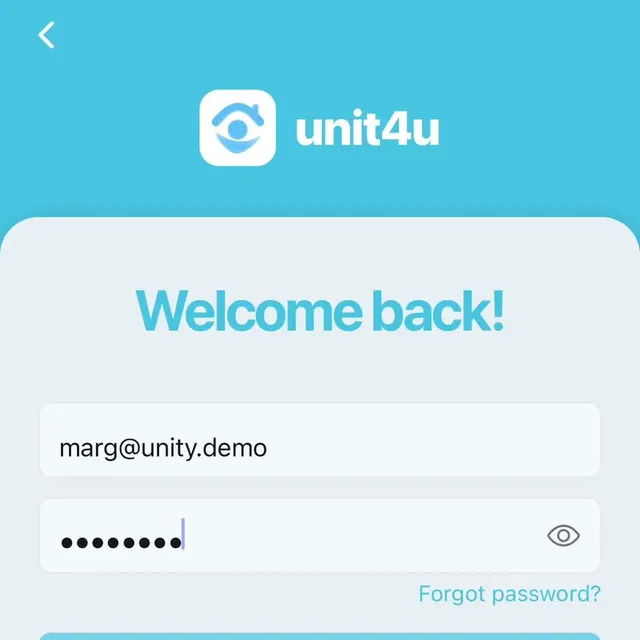
The theory behind these trends is compelling, but real-world examples make the case unarguable. Consider Unit4U, a landlord and tenant portal developed for Unity Housing. The brief was straightforward: build a mobile-first product that handles clean sign-in, account management, and the day-to-day property workflows that matter most to tenants and property managers. The solution delivered exactly that—a secure, intuitive platform designed for real-world use.
What sets this project apart is the execution pace. From initial concept to live deployment, the entire portal was built in just 90 days. That’s proof that rapid delivery doesn’t have to compromise quality or user experience. The portal offers tenants a seamless mobile experience and gives property managers a unified view of operations, aligning perfectly with the key trends of integration, mobile access, and fast deployment.
Centauri’s approach to building digital solutions (opens in a new tab) emphasises exactly this mix of speed, flexibility, and user-centred design. The Unit4U project is not an outlier—it’s a blueprint for what real estate developers should expect from their technology partners in 2026.
What This Means for Real Estate Developers in 2026
The implications are straightforward. Developers who treat proptech as an afterthought will find themselves playing catch-up. Those who proactively invest in mobile-first platforms, integrated management tools, and rapid deployment partnerships will be better positioned to attract and retain tenants, optimise operational costs, and future-proof their portfolios.
The numbers back this up. Properties with modern digital portals see lower vacancy rates, higher renewal percentages, and fewer maintenance delays. In a market where every percentage point matters, the ROI of a well-executed tenant portal is compelling. The 90-day delivery of Unit4U shows that this ROI can be realised quickly—not over years, but in a single quarter.
Building for the Future: The Role of Strategic Partnerships
No developer needs to build these solutions from scratch. Partnering with an experienced technology studio that understands both real estate workflows and modern software development can cut risk and accelerate results. Centauri has worked across industries to create bespoke digital products that solve real problems—and the Solutions practice is designed to help clients turn ambitious concepts into live platforms with minimal friction.
As 2026 approaches, the real estate development trends are not abstract forecasts; they are operational imperatives. The companies that act now—those that deploy tenant portals, integrate their property management, and commit to fast execution cycles—will set the standard for the next decade.
The foundation of tomorrow’s real estate is partly concrete, but increasingly, it’s code. And the projects that bring them together most effectively will be the ones that lead the market.