Marketing
Premium Dining on Screen: The Royal Palm's 1.5 Million View Milestone
Premium dining brands are turning to high‑fidelity visual development to capture attention and drive measurable growth—a shift that’s redefining the F&B playbook for 2026.
The New Pressure on Food & Beverage Brands
Food and Beverage brands have always lived by the mantra that flavour comes first. But in a digital‑first world, where the average consumer scrolls past hundreds of restaurant and product posts every week, taste alone isn’t enough to earn a moment of their time. The equation has changed: a dish needs to look spectacular on screen before it can taste spectacular on the palate.
Over the past two years, we’ve watched the F&B industry confront a new reality. Social algorithms reward content that stops the scroll within the first half‑second, and that threshold is only getting tighter. Meanwhile, the rise of immersive dining experiences and “phygital” branding means that the gap between a brand’s in‑person atmosphere and its online presence is smaller than ever. Diners expect the same warmth, texture, and sophistication from a brand’s Instagram feed that they get from its dining room.
For marketers, this creates a thin line to walk. Generic food photography or templated promotional videos no longer cut it. Audiences have developed a keen eye for authenticity—they can spot a stock shot from ten paces. What they respond to instead is development: the deliberate, craft‑driven process of shaping a brand’s visual language so that every piece of content feels intentional, grounded, and worthy of attention.
Why Development is the Difference‑Maker in 2026
“Development” in the context of F&B marketing isn’t about product R&D or menu innovation. It’s about content development—the strategic creation of visual assets that tell a story and build an emotional connection. In 2026, this discipline is becoming the single most important lever for growth, because it directly influences awareness, perception, and conversion.
Consider the data points that matter to modern F&B leaders. Customer acquisition costs on social platforms continue to climb. Organic reach is declining for brands that rely on static imagery. The brands that are bucking the trend are those that invest in development that feels less like advertising and more like culture. They’re using high‑fidelity cinematography, deliberate lighting, and ambient sound to transport viewers into the experience—not just show them a product shot.
This approach works across every stage of the funnel. For top‑of‑funnel awareness, compelling development drives shares and saves. For retargeting, it builds brand recall. And for conversion, it reduces friction: a customer who has watched a short film about a restaurant’s craft is far more likely to book a table than one who saw a single photo.
Case in Point: The Royal Palm’s +1.5M View Milestone
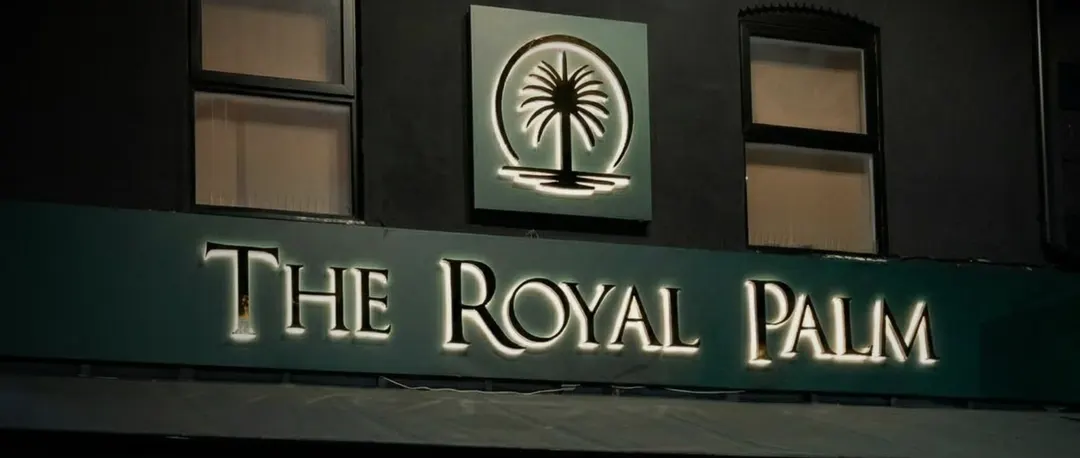
A real‑world example makes the case concrete. Centauri partnered with The Royal Palm, a premium dining destination known for its rich, indulgent menu and refined hospitality. The brand’s challenge was one many F&B leaders recognise: its existing content didn’t reflect the nuance of the actual dining experience. The flavours were bold, the atmosphere was elevated, but the imagery was falling short of that reality.
Centauri’s development team deployed a refined visual strategy centred around high‑fidelity cinematography and a cleaner, more premium aesthetic. Rather than shooting standard food photos, the team focused on lighting, texture, and atmosphere—capturing not just the dish but the moment surrounding it: the steam rising off a plate, the reflection in a glass, the quiet hum of a well‑appointed room.
The results speak directly to the power of development. The content generated over +1.5 million views, translating into a significant lift in brand awareness and foot traffic. That number doesn’t come from a single viral post; it’s the accumulated effect of a systematic, development‑first approach, where each piece of content reinforced the same premium positioning. For a brand that competes on experience, that consistency is everything.
Key Lessons for F&B Marketers
The Royal Palm’s success is not an outlier. It reflects a broader shift that F&B brands can learn from. Here are the three practical takeaways that are most transferable:
- Invest in craft over quantity. A single well‑developed video or set of images, created with attention to lighting and atmosphere, can outperform dozens of generic posts. The goal is not volume but memorability.
- Align visuals with in‑person experience. The disconnect between a brand’s physical environment and its digital presence is a friction point that costs conversions. Development should bridge that gap, not widen it.
- Measure what matters. Views and engagement are important, but the real ROI comes from downstream behaviour—reservations, repeat visits, and brand sentiment. Development that drives +1.5M views is valuable because those viewers are primed to act.
These lessons apply whether you’re a Michelin‑starred restaurant, a fast‑casual chain, or a CPG brand launching a new SKU. The principles of visual storytelling remain the same, even if the execution varies.
Building a Development‑Led Strategy
For F&B leaders ready to adopt this approach, the starting point is not a camera or a budget—it’s a strategy. Development should be rooted in your brand’s core narrative: what makes your experience unique, and what does that feel like? From there, you can brief a creative partner or in‑house team on the specific visual language needed.
This is where Centauri’s Development services (opens in a new tab) come into play. We specialise in crafting visual strategies that move beyond standard production and into the realm of brand storytelling. Whether it’s a full content refresh, a campaign launch, or ongoing asset creation, the methodology is the same: understand the essence of the brand, then build content that feels like an extension of it.
Looking ahead to 2026, the F&B brands that win will be the ones that treat development as a core business function—not a line item. They’ll allocate budget, set KPIs, and prioritise craft over convenience. And they’ll see the returns in views that turn into visits, and visits that turn into loyalty.
The era of ordinary food content is ending. Development is the new standard.
Want the full story? Read our case study with The Royal Palm.