Marketing
From Launch Day to Content Engine: Lessons From a Stoke Burger Brand
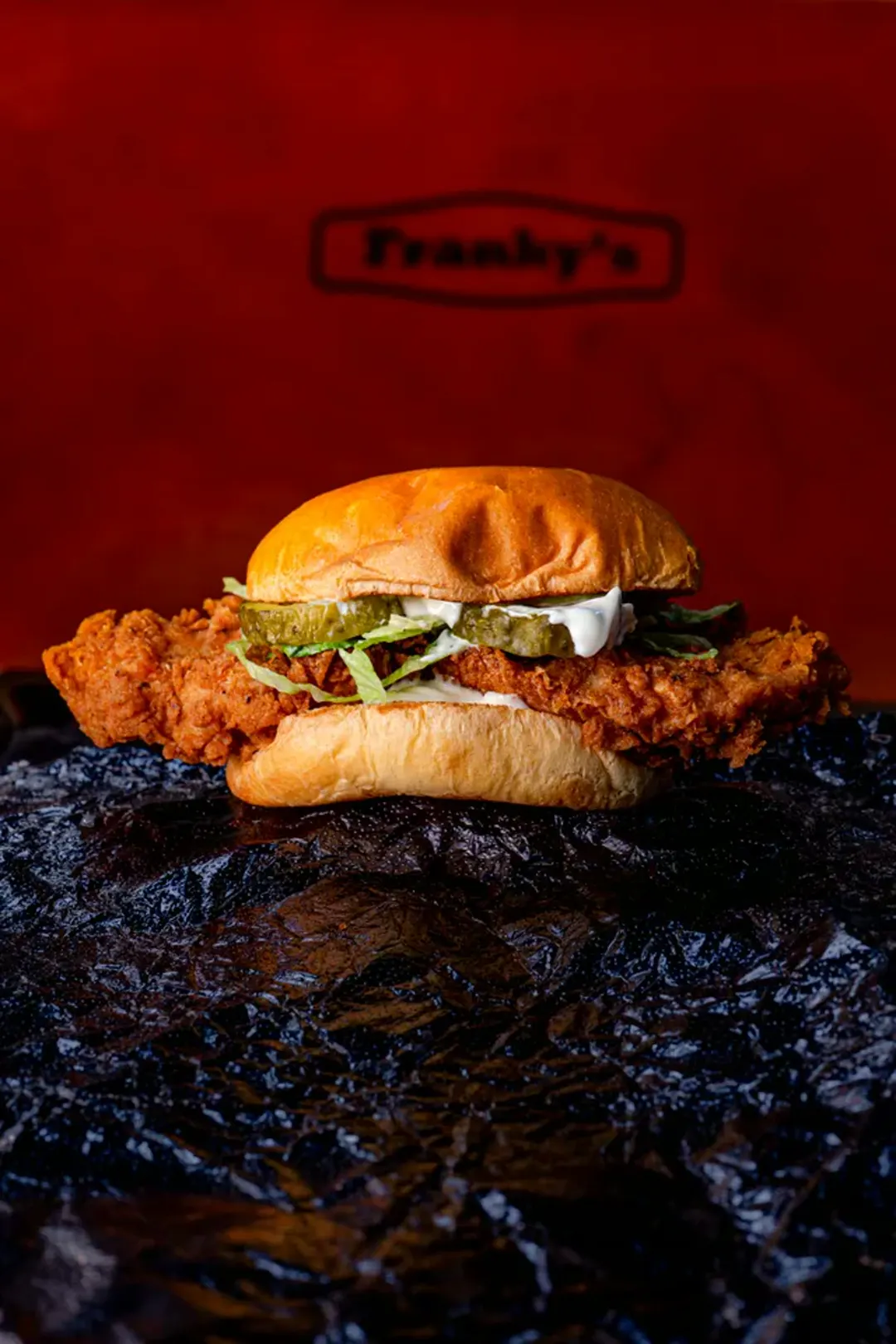
Content marketing is reshaping the F&B industry — and early adopters are seeing real, measurable results.
The New Rules of Engagement for Food Brands
In 2026, a menu alone won’t cut it. Food & Beverage brands face a crowded digital landscape where attention spans are short, competition is fierce, and the audience expects authenticity before they’ll even consider a first bite. The brands that thrive aren’t the ones with the biggest budgets — they’re the ones that understand how to tell a story that feels personal, immediate, and irresistibly shareable.
Content marketing for F&B has evolved far beyond posting a photo of a burger on Instagram. Today’s winning strategies rely on a blend of sensory-rich video, platform-native storytelling, and a seamless connection between digital presence and physical experience. It’s no longer about broadcasting a message; it’s about building a community around a brand’s identity — one that feels less like advertising and more like a conversation.
For independent restaurateurs, pop-ups, and regional chains, this shift presents an enormous opportunity. With the right approach, a single well-executed content campaign can generate the kind of awareness that used to require a six-figure ad spend. The key lies in understanding the platforms, the formats, and the psychology of the modern diner.
Why Visual Storytelling Is Non-Negotiable
Food is inherently visual. It’s colourful, textural, and evocative. That’s why short-form video — particularly on TikTok and Instagram Reels — has become the dominant medium for F&B content marketing in 2026. But not all video is created equal. The most effective content doesn’t just show food; it creates an experience. Slow-motion shots of molten cheese, close-ups of sizzling patties, and candid host-led walkthroughs that make the viewer feel like they’re right there in the kitchen.
This approach taps into what we call “sensory cinematography” — content designed to trigger taste, smell, and even sound through the screen. It’s a technique that requires thoughtful production, but the payoff is significant. Brands that invest in high-quality, authentic visual storytelling see higher engagement rates, longer watch times, and — most importantly — more foot traffic.
And it’s not just about the content itself. The strategy behind it matters. Successful F&B brands are abandoning the “post and pray” model in favour of content calendars built around launches, seasonal moments, and local culture. They’re using platform analytics to refine their approach, and they’re treating every piece of content as a touchpoint that drives a specific action — whether that’s a follow, a save, or a visit to the website.
From Zero to Viral: A Real-World Proof Point
Consider a recent example from our own work. A new burger concept opened in Stoke city centre with a bold urban identity and a clear product vision — smashed, flamed, loaded burgers — but almost no existing awareness. No following that mattered. No content library. No digital presence that reflected the premium reality of the food.
Within a launch-focused programme, the brand was equipped with a content engine built around sensory food cinematography and host-led reels for TikTok and Instagram. The approach was simple: show the process, the people, and the product in a way that felt genuine and unpolished, yet visually compelling. The results speak for themselves: over 319,000 organic views, more than 11,000 likes, and three hero reels that acted as the foundation of a growing digital footprint. A fully designed website — frankysstoke.com — became the always-on face of the brand, turning viewers into visitors.
This case study is a clear demonstration of how Food & Beverage brands win with Content Marketing in 2026. It’s not about volume; it’s about precision. The content didn’t need to go viral globally — it just needed to resonate locally. And because every piece was tied to a real launch and a real location, the engagement translated directly into awareness and footfall.
Building a Content Engine That Lasts
For F&B brands looking to replicate this success, the takeaway is clear: content marketing isn’t a one-off campaign. It’s a system. The most effective engines combine consistent output with a clear brand design language, a responsive website, and a feedback loop that lets the content evolve based on what works.
Start by defining your brand’s core visual identity. Colours, typography, and tone should be consistent across every channel — from Instagram Reels to the in-store menu. Then, invest in the tools and talent to produce content that looks and feels premium. You don’t need a Hollywood budget, but you do need to respect the craft. Good lighting, intentional framing, and a clear narrative thread make all the difference.
Next, think about distribution. A great piece of content that no one sees is just a file on a hard drive. Use platform-native features — trending sounds, hashtags, location tags, and calls-to-action — to maximise reach. And don’t forget the website. A modern brand site isn’t just a digital business card; it’s a destination that reinforces the content you’re sharing on social media. Our team at Centauri (opens in a new tab) specialises in creating integrated marketing solutions that connect content, design, and development into a single cohesive strategy.
Finally, measure what matters. Vanity metrics like follower count are less important than engagement rate, view-throughs, and — crucially — conversions. Whether that’s a click to the menu, a reservation, or a visit to the physical location, every piece of content should be designed to drive a measurable outcome.
Three Takeaways for F&B Brands in 2026
- Lead with sensory storytelling. Show the sizzle, the pour, the crunch. Make your audience feel like they can almost taste it. That emotional connection is what turns a viewer into a customer.
- Think local first. In a world of global content, local relevance is a superpower. Use location tags, partner with local creators, and tie your content to the community you serve.
- Treat every channel as part of one ecosystem. Social media, website, in-store experience — they should all feel like extensions of the same brand. Consistency builds trust, and trust drives loyalty.
The F&B landscape in 2026 is full of opportunity for brands that understand the power of content marketing. It’s not about shouting the loudest; it’s about telling the most compelling story — and telling it where people are already looking. With the right strategy, even a brand starting from zero can build a following that turns into a real, thriving business.
Want the full story? Read our case study with Franky's.