Marketing
Food & Beverage Development Trends 2026: Visual Storytelling Is the New ROI
As digital saturation reshapes F&B marketing, brands that invest in premium visual content aren't just being seen — they're being remembered.
The Shifting Palate of Digital Dining
The food and beverage industry has always been about taste, texture, and atmosphere. But in 2026, the first bite your customer takes doesn't happen in the dining room — it happens on a screen. Whether it's a scrolling Instagram feed, a reservation page, or a delivery app thumbnail, your brand's visual identity is the new front door. And if that door looks flat, generic, or inconsistent, potential guests will walk right past.
Food and beverage development trends in 2026 are no longer just about menu innovation or interior design. They're about how you translate the sensory experience of dining into a digital language that feels as rich and intentional as the real thing. The brands winning right now are the ones treating their visual content as a product in itself — polished, purposeful, and powered by data.
At Centauri, we've seen this shift accelerate across our client work. And one case in particular shows exactly where the industry is heading.
Why Static Content Won’t Cut It
For years, F&B marketing leaned heavily on static photography: a hero dish shot, a bright cocktail, a clean table setting. Those images still have a place, but they no longer carry the weight they used to. Today's consumer is saturated with content. They scroll past anything that doesn't stop them cold.
That means brands need more than a pretty photo. They need depth, movement, and a mood that can't be faked with a filter. The trend is moving toward high-fidelity cinematography — short, cinematic clips that capture the sizzle, the pour, the glow of a space. It’s about making the viewer feel like they're already there.
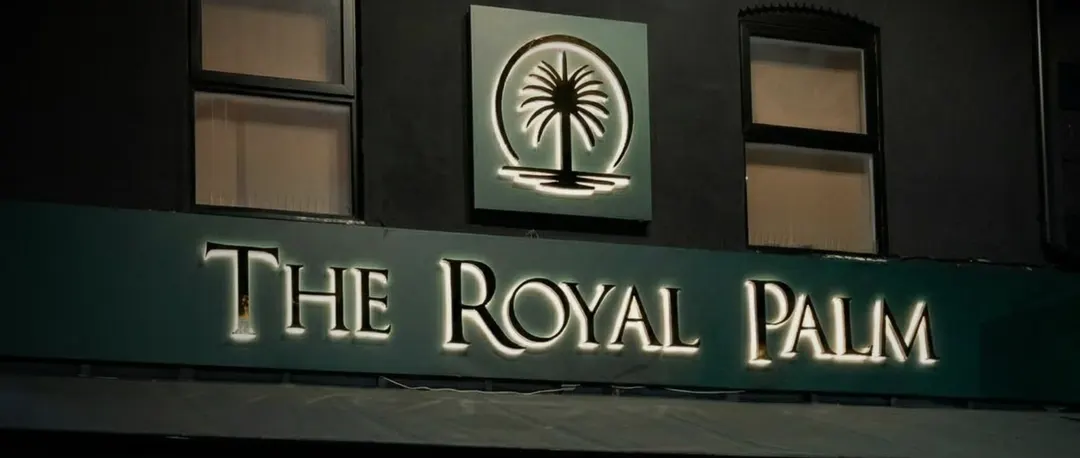
Take The Royal Palm as a proof point. Despite offering a premium product and environment, the brand struggled to translate that in-person magic online. Their existing content lacked the visual depth and consistency needed to compete in a crowded digital landscape. After partnering with Centauri on a refined visual strategy — built around lighting, texture, and atmosphere — they saw a +1.5 million increase in views on their content. That's not just vanity metrics; it's proof that when you treat visual storytelling with the same care as your menu, the audience responds.
From Plate to Pixel: The New Visual Standard
So what does a winning visual strategy look like in 2026? It starts with an understanding that your brand's aesthetic should be as deliberate as your recipes. Every frame — whether in an advertisement, a social post, or a website video — needs to reinforce the same sensory promise.
For F&B development, that means:
- Lighting that tells a story — Warm, natural light for comfort; dramatic shadows for luxury.
- Texture that sells the experience — Closeups that make a crust crackle or a sauce glisten.
- Atmosphere that feels lived in — Not staged, but authentic. Real steam, real movement, real people.
This is where a structured approach like the one offered through Centauri's Solutions (opens in a new tab) comes into play. By building a consistent visual framework — from colour grading to composition — we help brands ensure that every asset reinforces their positioning, whether it's a 60-second documentary-style reel or a five-second loop on a digital menu board.
Three Trends Driving F&B Development in 2026
1. Cinematic Content as a Brand Asset
Short-form video continues to dominate, but the bar has risen. Generic stock clips and shaky handheld shots are out. Brands are now commissioning bespoke cinematic content — think slow-motion pours, gimbal-stabilised walkthroughs, and carefully choreographed plating reveals — that doubles as both marketing and brand equity. These assets live on your site, in your ads, and across your social channels, creating a unified visual identity that feels high-end without being unattainable.
2. Consistency Across All Touchpoints
A common mistake is having a beautiful Instagram grid but a mismatched website or delivery listing. In 2026, development trends demand consistency across every digital surface. The same lighting, colour palette, and mood should appear whether someone finds you on Google Maps or through an influencer's story. That requires a single visual language — a style guide for your pixels — applied religiously.
3. Measurable Impact Through Viewership and Engagement
The Royal Palm's +1.5M views is more than a number; it's a signal. When viewers watch, share, and remember your content, they're building a mental shortcut to your brand. That translates to foot traffic, bookings, and loyalty. In a world where ROI is everything, visual content is no longer a "nice to have" — it's a direct driver of business outcomes, and it can be tracked.
How to Apply These Trends Without the Hype
It's easy to get swept up in the idea that you need a Hollywood budget to compete. You don't. But you do need intentionality. Here's how to start:
- Audit your current visuals. Are they consistent? Do they tell the same story? Identify gaps in lighting, tone, or format.
- Invest in one high-quality asset. Instead of fifty mediocre shots, commission one short cinematic video that captures the essence of your space or signature dish. Use it everywhere for a month and measure the response.
- Partner with experts who understand both food and film. That's the intersection where magic happens. Agencies like Centauri bring a development-focused lens that aligns visual strategy with business goals, not just aesthetics.
The trend for 2026 isn't about more content — it's about better content. Content that feels like an experience. Content that earns views, builds desire, and drives results.
The Bottom Line
Food and beverage development has entered a new phase where digital presence is as important as the physical product. The brands that will thrive are those treating visual storytelling not as an afterthought, but as a core part of their development strategy.
The numbers are already speaking: when you get the visual language right, the audience shows up. And in a crowded market, that kind of attention is the best appetiser you could ask for.
Want the full story? Read our case study with The Royal Palm.