Marketing
Raw, Fast and Hyper-Local: Four Food Content Trends Defining 2026
Content marketing in the food and beverage space is shifting fast — and the brands winning in 2026 are those that blend speed, authenticity, and a deep understanding of what makes their offer genuinely unique.
The food and beverage industry has always been visual, but 2026 is shaping up to be the year when content marketing becomes the primary driver of footfall and brand loyalty. With social media algorithms rewarding short-form, high-engagement video, and consumers hungry for experiences that feel personal and shareable, the rules of the game have changed. It’s no longer enough to post a beautifully plated dish; the most successful brands are telling stories that spark curiosity, build community, and deliver measurable results.
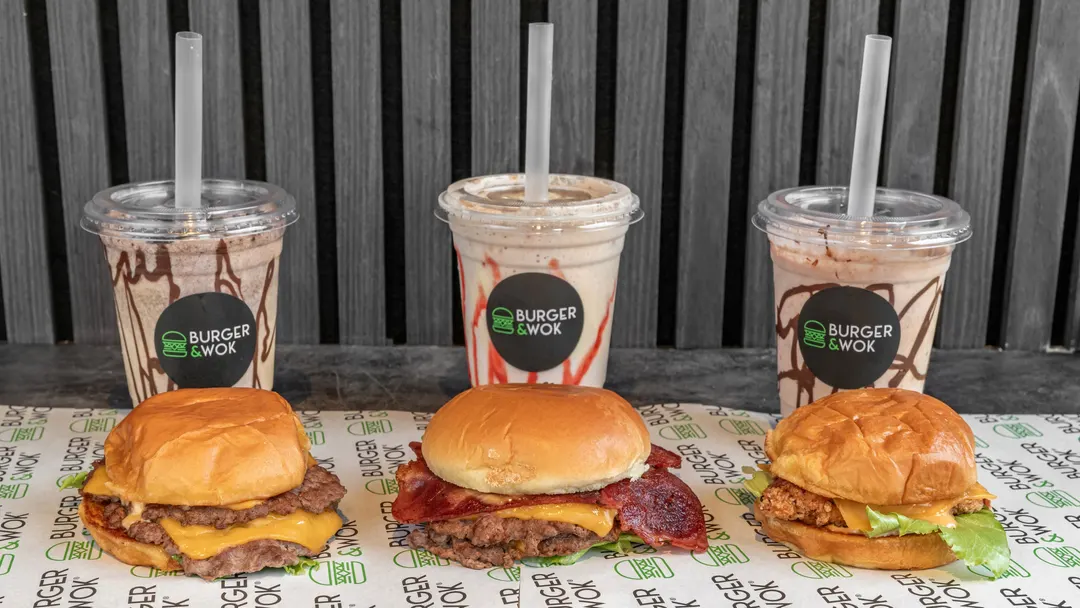
To understand what these trends look like in practice, we can look at a recent campaign that checked every box — and then some. A fresh takeaway concept in Birmingham, combining smash burgers, wok-tossed Asian dishes, boba tea, and matcha under one roof, needed to generate buzz in just ten days before opening. The results were impressive: 400,000 impressions, 23,000+ accounts reached, a 70% engagement rate, and 374,000 total post views. That’s the kind of proof point that shows what happens when you align content marketing with the behaviours of today’s audiences.
Trend 1: Hyper-Local, Hyper-Visual Storytelling
In 2026, generic food content is invisible. The most talked-about launches are those that feel like they belong to a specific place, a specific moment, and a specific audience. For the Birmingham-based brand, content was designed to spotlight the neighbourhood location near Star City, using local landmarks and community references in captions and hashtags. This wasn’t a national campaign — it was a concentrated burst of energy aimed at a very local audience, and it worked.
The numbers back this up: 400,000 impressions in a short timeframe is a testament to the power of hyper-local targeting. But it’s not just about geography; it’s about visual storytelling that feels immediate. Scroll-stopping close-ups of food, chef action shots, and behind-the-scenes prep don’t just show a product — they invite the viewer into the experience. The brand’s content looked like it was made by a friend, not a corporate team. That authenticity is the currency of 2026.
Trend 2: Speed and Authenticity Over Polished Production
Another clear trend is the move away from heavily produced, scheduled content toward real-time, raw material. The ten-day pre-launch window forced an approach that prioritised speed over perfection — and it paid off. Research shows that audiences now trust organic, unpolished video more than studio-quality ads. The campaign used TikTok and Instagram Reels to post multiple times a day, capturing the chaos and excitement of a new opening.
The 70% engagement rate is a loud signal. When content feels like it’s happening in the moment, people are more likely to comment, share, and save. That’s because the algorithm rewards content that holds attention, and raw, authentic clips hold attention better than slick productions. The lesson for F&B brands in 2026: don’t wait for the perfect shot. Post the real thing, and let your audience feel part of the journey.
Trend 3: Multi-Cuisine, Multi-Format Content
The most successful food content in 2026 doesn’t stick to one format or one dish. The brand in question — the one that combined smash burgers, wok-tossed dishes, boba tea, and matcha — created multiple content pillars from a single menu. Each item got its own spotlight: a slow-motion burger press, a wok-flame close-up, a boba-tea swirl, a matcha pour. This variety kept the feed fresh and gave the algorithm plenty of hooks to latch onto.
The results show that diversity in content format drives reach. The 23,000+ accounts reached came from a mix of Reels, static posts, and Stories, each designed to appeal to different browsing behaviours. Today’s consumer scrolls quickly, but they stop for something surprising. A menu that offers unexpected combinations — like Asian-fusion and American comfort food — is a content goldmine, because it constantly gives the audience something new to discover. The content strategy didn’t just promote the food; it celebrated the uniqueness of the concept itself.
Trend 4: Community Feedback and Real-Time Content
Engagement isn’t just a vanity metric in 2026 — it’s a direct line to customer insights. The 70% engagement rate on this campaign wasn’t accidental; it was the result of actively responding to comments, asking questions, and using audience feedback to shape the next post. When someone asked about a specific ingredient, the brand made a follow-up video. When a local influencer shared the content, the brand reposted with a thank-you. This two-way conversation builds loyalty and turns casual viewers into advocates.
For F&B brands, the trend is clear: content marketing is becoming a conversation, not a broadcast. The brands that win are those that listen as much as they speak. The campaign’s high engagement rate reflects a strategy that prioritised genuine interaction over passive posting. It’s a lesson that applies to any business launching a new product or opening a new location.
How Brands Can Adapt for 2026
Looking ahead, the food and beverage brands that thrive will be those that embrace the following principles:
- Lead with uniqueness. If your menu or concept is different, lean into it. Don’t try to be everything to everyone — let the unusual combination be your hook.
- Move fast. The best content is often the most spontaneous. A ten-day pre-launch window is not a limitation; it’s a creative constraint that forces you to focus on what really matters.
- Engage, don’t just post. The 70% engagement rate didn’t come from a one-way megaphone. It came from replying, resharing, and building a community around the brand.
- Use data to iterate. The numbers from this campaign — 400,000 impressions, 23,000+ accounts reached, 374,000 total post views — are not just a win; they’re a blueprint. Post what works, double down on what gets the most saves and shares, and keep testing.
At Centauri, we’ve seen these trends play out across multiple sectors, but nowhere more vividly than in food and beverage. The full story of the Birmingham smash burger and wok concept is a powerful example of what happens when content marketing is executed with precision and creativity. You can read the detailed case study here. And if you’re ready to apply these trends to your own brand, our marketing services (opens in a new tab) are designed to help you build campaigns that connect, engage, and deliver real results.
The future of food content is not about bigger budgets or more polished production. It’s about showing up where your audience is, with content that feels true to your brand and exciting to your community. That’s the trend that will define 2026 — and beyond.
Want the full story? Read our case study with Burger & Wok.