Marketing
Ten Days to Opening: How Burger & Wok's Launch Content Filled Seats
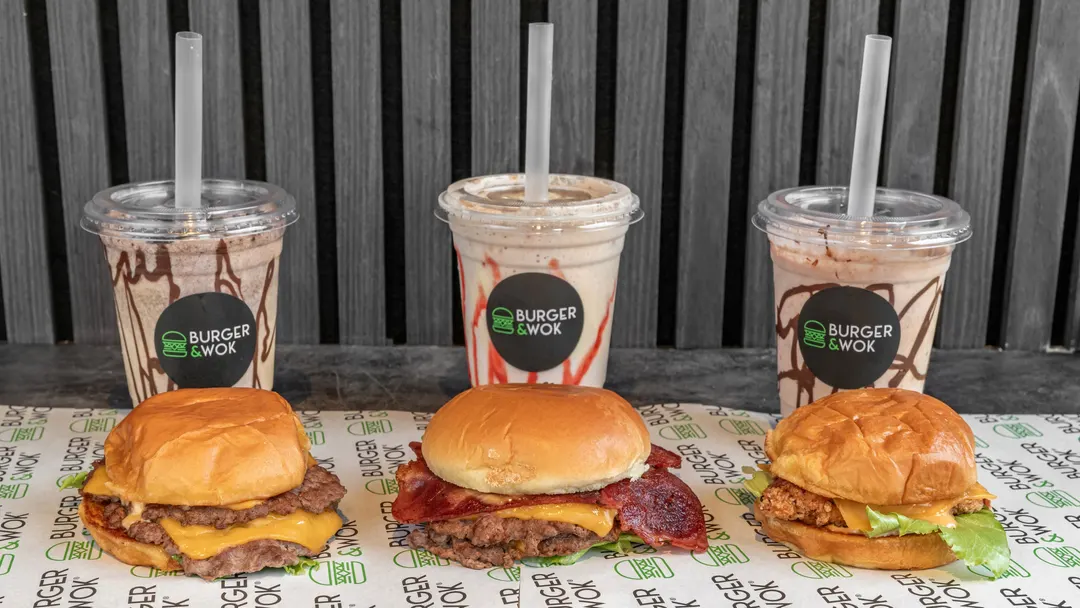
How the industry's boldest brands are turning attention into appetite and appetite into revenue with content that doesn't just spark curiosity—it seals a decision.
The modern diner doesn't wander in off the street anymore. They scroll, they swipe, they search—and by the time they arrive at a restaurant door, they've already made up their mind. For food and beverage brands, the battleground isn't the high street; it's the feed. Winning in 2026 demands a content strategy that doesn't just entertain but converts—turning passive scrollers into paying customers, often before they've even tasted the food.
The New Rules of Appetite: Why Conversion-Driven Content Matters Now
The F&B industry has always been a high-stakes environment. Margins are tight, competition is fierce, and consumer loyalty is notoriously fickle. But the game has shifted. Generic "food porn" shots and occasional promotional posts are no longer enough. Today's successful brands are adapting to a reality where every piece of content must earn its place by driving tangible results—whether that's foot traffic, website visits, or direct orders.
Consider the landscape: diners are bombarded with thousands of visual cues daily. A static image of a burger, no matter how perfectly lit, gets lost in the noise. What cuts through is story, urgency, and a sense of discovery. Content that converts in 2026 is content that feels personal, immediate, and irresistibly shareable. It leverages platforms not as broadcast channels but as community hubs. TikTok, Instagram, and even emerging platforms are becoming the new menus, and the most successful brands are those that understand content isn't a sideline—it's the main course.
From Concept to Conversion: The Case of a High-Stakes Launch
To understand what this looks like in practice, there's no better example than the launch of a bold new concept in Birmingham. With an exceptionally tight ten-day runway before opening, the team behind a fresh fusion restaurant faced a challenge that would rattle any marketer: zero time, maximum pressure, and a completely unique menu that needed to break through a saturated market instantly.
Rather than relying on traditional PR or slow-burn social growth, the approach was to weaponize speed and specificity. A targeted pre-launch blitz was built around the brand's most distinct asset—a genuinely novel menu combination that demanded to be seen. The strategy leaned into scroll-stopping visuals: extreme close-ups of sizzling ingredients, chef action shots that captured the theater of cooking, and short-form videos that highlighted the unique textures and colors of each dish.
The results were immediate—and staggering. Within the campaign window, the content generated over 400,000 impressions, reaching more than 23,000 unique accounts. But the real metric that matters is engagement: a 70% engagement rate speaks to content that didn't just get seen, but actively compelled people to interact. When your audience isn't just watching but liking, sharing, and saving, you know you've built something that converts.
Those 374,000 total post views didn't just fill a vanity metric; they filled seats. This is the essence of content marketing that converts—it's not about broadcasting a message, but about creating a visual experience so compelling that the audience takes the next step themselves.
What High-Converting Food Content Looks Like (And What It Doesn't)
So, what separates content that converts from content that just looks pretty? The answer lies in strategy, not just production value.
First, prioritize curiosity over completeness. The most effective food content doesn't try to show the entire experience at once. It teases. It leaves gaps. A slow-motion pour of sauce over a dish, a chef's hand adding a final garnish, a single bite captured from an unusual angle—these micro-moments create narrative tension. They invite the viewer to wonder, "What does that taste like?" and "Where can I get it?" That curiosity is the first step toward conversion.
Second, make it native to the platform. Content that works on Instagram Reels won't necessarily perform on TikTok, and platform-native distribution is non-negotiable. Successful brands aren't cross-posting the same video; they're re-shooting or re-editing for each audience's expectations. On TikTok, that might mean faster cuts and trending audio. On Instagram, it might mean more polished, aspirational aesthetics. The common thread is authenticity—audiences can smell a recycled post from a mile away.
Third, lean into the story behind the food. People don't just eat with their eyes; they eat with their values. Content that reveals sourcing, preparation technique, or the personal story of the chef builds trust and differentiation. In a world of copycat concepts, the brand that shares its origin story wins not just a transaction but a relationship.
Building a Content Engine That Delivers ROI
For agencies and brands looking to replicate this success, the key is building a content engine that can operate at speed without sacrificing quality. That means having a clear process for:
- Audience definition: Who exactly are you trying to reach, and what do they scroll past versus stop for?
- Content pillars: Establish 3-5 repeating themes or visual styles that your audience can recognize instantly.
- Real-time iteration: Measure performance daily during critical launches. If something isn't working after 24 hours, pivot. The data is there; you just have to look.
- Cross-platform optimization: Tailor every asset, from caption length to video aspect ratio, for the platform it's native to.
The numbers from the Birmingham launch prove that when this engine fires correctly, even a ten-day runway can produce a seven-figure impression result. The formula isn't about spending more—it's about spending smarter.
The 2026 Advantage: Why Early Adopters Win
The F&B landscape in 2026 rewards those who move from "we should do content" to "content is our primary growth channel." The brands that have already embedded conversion-focused strategies into their DNA are seeing compounding returns. They've built audiences that feel invested in their success, which means every new product launch, seasonal menu, or location opening has a ready-made wave of organic excitement.
For restaurants and food brands yet to fully embrace this approach, the window of opportunity remains open—but it won't stay open forever. Consumer attention spans aren't getting longer, and the bar for what qualifies as compelling content is rising every quarter. Starting now, with a clear strategy and a willingness to test and learn, is the best investment any F&B business can make.
Centauri's work with Burger & Wok is a testament to what's possible when you combine deep industry insight with agile execution. Their content strategy didn't just launch a brand; it established a blueprint for how food marketing can drive real, measurable business outcomes.
Want to See Conversion in Action?
Whether you're launching a new concept, revitalizing an existing brand, or just curious about what's possible with modern content marketing, the path forward is clear. Success in Food & Beverage isn't about having the best food—it's about having the best story, told on the right platform, at the right time. And that story starts with a strategy built for conversion.
Explore Centauri's marketing services (opens in a new tab) to learn how your brand can turn attention into appetite—and appetite into revenue.
Want the full story? Read our case study with Burger & Wok.