Marketing
Content Marketing for Food & Beverage 2026: Why Speed and Storytelling Will Win the Table
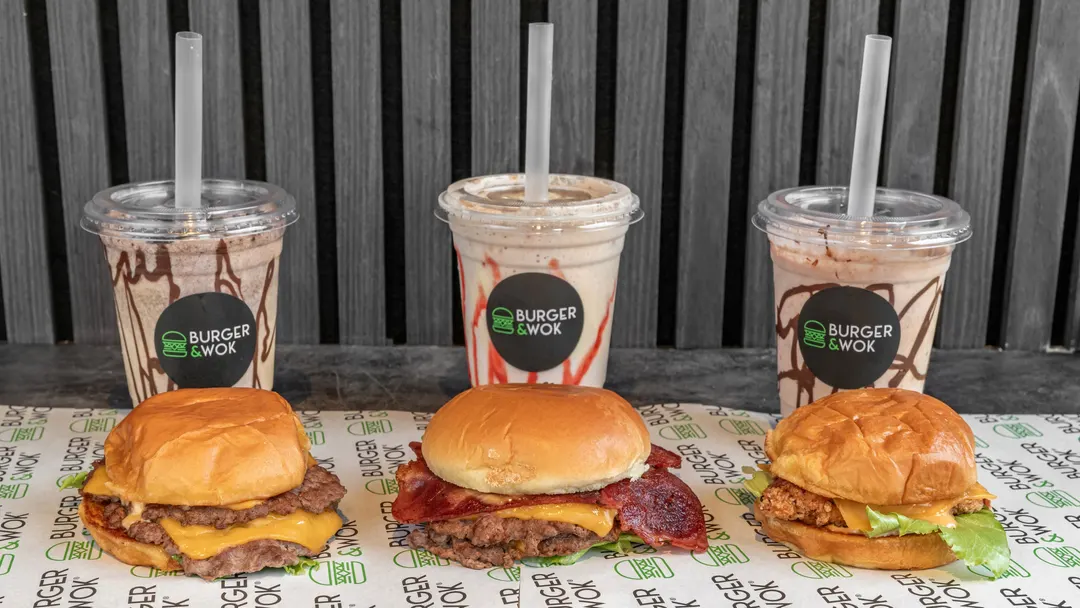
In a saturated market where every dish is vying for screen time, food and beverage brands that master content marketing in 2026 will be the ones that combine lightning-fast execution with scroll-stopping visual narratives.
The New Recipe for Digital Visibility
Food and beverage has always been a visual industry. But by 2026, the competition for attention on social platforms has reached a boiling point. An endless stream of flat lays, unboxing videos, and influencer partnerships means that running a standard ad campaign simply isn't enough. Savvy operators know that the key to cutting through the noise lies in content marketing — the strategic creation and distribution of valuable, relevant, and consistent content to attract and retain a clearly defined audience.
For F&B brands, this isn't just about posting a menu photo. It's about creating an emotional connection before the first bite. It's about turning a product launch into a cultural moment. And in an era where consumers are increasingly sceptical of polished ads, the most effective content feels unscripted, authentic, and built for the platform it lives on.
Why Speed Matters More Than Ever in 2026
The food industry is notorious for tight timelines. Pop-ups, limited-time offers, and seasonal menus require near-instantaneous market penetration. In 2026, content marketing for food and beverage must be agile enough to support these fast-paced launches without sacrificing impact.
Gone are the days of month-long campaign planning cycles. The brands that will thrive are those with a content engine that can respond in days — not weeks. That means having a clear content strategy, a pre-vetted creative pipeline, and a distribution plan that leverages both organic and paid channels. The competitive advantage lies in being ready to tell a compelling story the moment a new concept is ready to hit the counter.
The Visual Economy: Short-Form Video and Authenticity
If 2025 was the year of AI-generated imagery, 2026 is the year of raw, real, and hyper-engaging video. Platforms like TikTok and Instagram Reels continue to dominate, and food content is a natural fit. Close-up shots of sizzling pans, chef hand movements, and the satisfying pull of melted cheese trigger dopamine responses that static images simply cannot match.
But authenticity is the new currency. Consumers can spot a stock photo or a staged video from a mile away. The most successful content marketing for food and beverage in 2026 leans into behind-the-scenes moments, real customer reactions, and the personality of the team. It's less about perfection and more about connection.
A Real-World Proof Point: Burger & Wok
Consider the recent launch of an entirely new food concept in a competitive urban area. With only a 10-day lead time before the grand opening, the brand had zero room for error. Traditional advertising timelines were impossible. The solution? A rapid, high-tempo content marketing campaign built for speed and impact.
Centauri partnered with the team to execute a pre-launch strategy that focused exclusively on TikTok and Instagram. The content leaned into the unique menu combination — something that had never been seen in that market — using scroll-stopping food close-ups, chef action shots, and quick-cut edits that felt native to each platform. No lengthy production cycles, no corporate polish. Just bold, authentic storytelling designed to spark immediate curiosity.
The results speak for themselves. The campaign generated 400,000 impressions and reached over 23,000 accounts. The engagement rate hit 70% — astronomically high by industry standards — and total post views exceeded 374,000. What's more, that engagement translated into real-world foot traffic on opening day, proving that a well-executed content marketing strategy doesn't just build awareness; it drives action.
This case study is a clear example of how the principles of content marketing for food and beverage in 2026 — speed, authenticity, platform-native creativity — can deliver outsized results even with a tiny window. You can read the full breakdown of the Burger & Wok campaign on Centauri's case studies page.
Building Your Own Content Engine for 2026
So what can other F&B brands learn from this? Three core takeaways stand out.
1. Prioritise Agility Over Perfection
When a new menu item, a pop-up, or a grand opening is on the horizon, do not get bogged down in approvals and revisions. Create a content library of reusable assets — b-roll footage of food preparation, brand colour overlays, text templates — that can be quickly adapted for any launch. The goal is to be able to post within 48 hours of a decision.
2. Lean Into Platform-Specific Optimisation
Content that works on TikTok may not work on Instagram, and vice versa. In 2026, the most successful campaigns are built from the ground up for each platform's unique behaviour. TikTok rewards raw, loopable videos with fast cuts; Instagram Reels favour slightly more polished aesthetics and carousel posts. Understanding these nuances is non-negotiable.
3. Measure Engagement, Not Just Reach
Impressions are vanity; engagement is sanity. With a 70% engagement rate, the Burger & Wok campaign proved that a small, highly interested audience can be more valuable than a large, passive one. In content marketing for food and beverage, the goal should be to spark conversation, shares, and saves — metrics that signal real intent and connection.
The Role of Professional Guidance
For many independent restaurants and emerging food concepts, building an internal content marketing team is unrealistic. That's where partnering with specialists in marketing services (opens in a new tab) can make the difference between a launch that falls flat and one that fills seats from day one.
Professional content marketers bring a wealth of experience in trend analysis, platform strategy, and creative execution. They can help F&B brands avoid common pitfalls — like posting at the wrong time, using the wrong format, or failing to optimise for mobile-first consumption — and instead capitalise on what works right now.
Looking Ahead: The Future of Food Content
As we move further into 2026, expect to see more brands experimenting with interactive content, user-generated campaigns, and even live cooking sessions that build community around a product. The line between digital content and physical experience will continue to blur. The brands that invest in content marketing now will be the ones that have a loyal, engaged audience ready to queue up for their next launch.
Content marketing for food and beverage is no longer a nice-to-have. It is the main course.
Want the full story? Read our case study with Burger & Wok.