Marketing
Content Marketing for Food & Beverage 2026: The Tactics That Actually Work
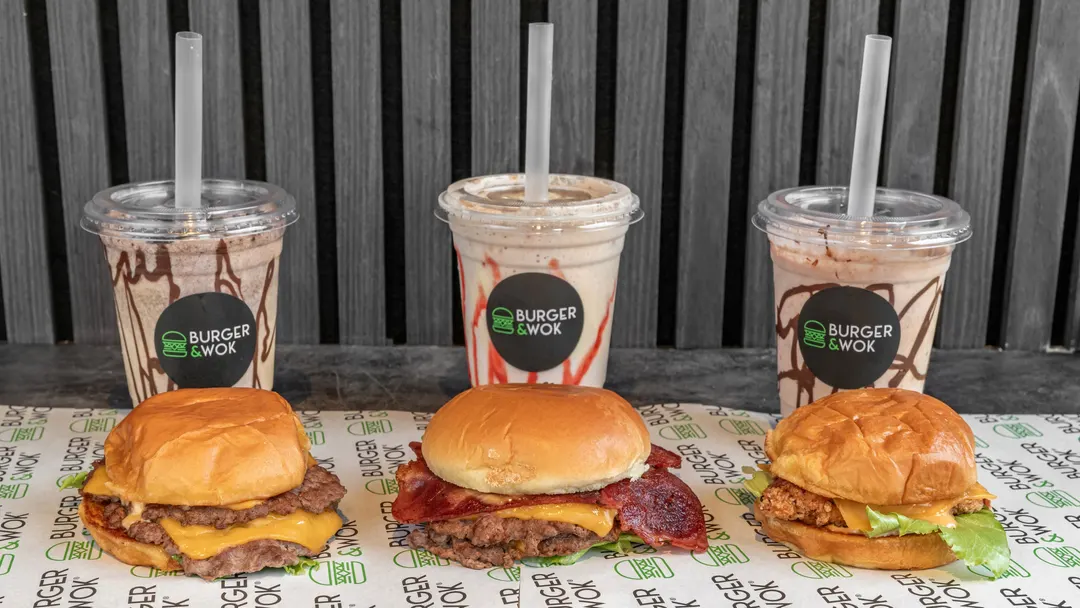
For food brands, 2026 demands content that’s fast, visual, and hyper-local. Here’s what the data says about winning strategies.
Why Food & Beverage Needs a Content Reset
The way people discover, choose, and share food has changed more in the last three years than in the previous decade. A diner in 2026 doesn’t flip through a menu or rely on a friend’s word-of-mouth recommendation alone. They scroll. They swipe. They watch twelve seconds of a sizzling wok or a cheese pull, and then they decide. If that content doesn’t stop them, they’re gone.
For food and beverage brands, this shift isn’t a trend — it’s the new baseline. The businesses winning right now aren’t necessarily the ones with the biggest budgets. They’re the ones that understand a simple truth: content marketing for food and beverage in 2026 must be built for the feed, not for the brochure. It has to be fast, visually gripping, and deeply rooted in local authenticity.
At Centauri, we’ve spent years helping brands navigate exactly this landscape. Our marketing services (opens in a new tab) are designed to turn the chaos of short attention spans into repeatable systems that drive measurable results. And one of the most compelling proof points we’ve seen came from a small takeaway concept in Birmingham that opened its doors with just ten days of runway.
The Three Pillars of High-Impact F&B Content
Before we get to that story, it’s worth unpacking the pillars that make food content work in 2026. These aren’t guesses — they’re borne out by real campaign data and shifting platform algorithsms.
1. Sensory storytelling that stops the scroll
Food is inherently visual, but in a crowded feed you need more than a pretty plate. The best content leverages sound — the crunch of a fry, the sizzle of a wok — and motion. Close-ups of ingredients being prepped, hands assembling a burger, a pour shot of a glossy boba tea. These moments trigger what psychologists call “ oral response” — an almost physical craving. That’s what turns a passerby into a customer.
2. Speed and frequency
Algorithms reward consistency. On TikTok and Instagram Reels, posting three to five times per week isn’t optional — it’s the minimum to stay visible. But speed doesn’t mean sacrificing quality. Short-form video shot on a smartphone, with good lighting and energetic editing, often outperforms polished ads because it feels real. The content calendar needs to be a sprint, not a marathon, especially around a launch window.
3. Local relevance beats generic virility
“Going viral” sounds great, but for a single-location restaurant serving Birmingham, 10 million views in Indonesia does nothing. The smart play is hyper-local content: tagging the neighbourhood, collaborating with local micro-influencers, referencing landmarks, and using location-based hashtags. People are more likely to visit when they feel the place is for them, not for everyone. This is where community meets conversion.
How One Birmingham Launch Proved the Formula
In early 2025, a brand-new concept called Burger & Wok was preparing to open near Star City in Birmingham. Their premise was deliberately unusual — smash burgers alongside wok-tossed Asian dishes, boba tea, and matcha all under one roof. It was a menu that could either confuse customers or intrigue them. The clock was tight: just ten days until the grand opening.
Centauri stepped in with a pre-launch content strategy built entirely around the three pillars above. The campaign used scroll-stopping food close-ups, action shots of chefs wokking over high heat, and quick cuts of assembly and pouring. Posts were designed to be consumed in seconds and shared in moments. Within that ten-day window, the results were striking:
- 400,000 impressions
- Over 23,000 accounts reached
- A 70% engagement rate
- 374,000 total post views
Those numbers didn’t come from a massive ad spend. They came from understanding how to craft content that felt both exclusive and instantly relatable. The unique menu combination became a talking point, not a hurdle. Each post answered a question the audience didn’t know they had: “What is this place?” and “Why should I care?”
You can read the full breakdown of the Burger & Wok case study on our site. The key takeaway for any F&B operator is this: when your content aligns with platform dynamics and local psychology, even a ten-day window can generate enough buzz to fill a new restaurant.
Looking Ahead: Content Marketing for F&B in 2026
The Burger & Wok example is far from an outlier. Across the food and beverage sector, we’re seeing a clear pattern: brands that invest in snackable, authentic, locally-rooted content are outperforming those that rely on static ads or generic posts. The shift is accelerating.
What’s coming next? Three developments worth watching:
- AI-assisted personalisation – Tools that let you adapt a single piece of content into multiple versions (different captions, languages, or local references) will become standard. This doesn’t replace creativity; it amplifies reach.
- Interactive content – Polls, quizzes, and “this or that” posts about menu choices are driving higher engagement than passive video. Expect more brands to build conversation into their feed.
- User-generated content (UGC) as currency – Encouraging customers to film their own meals, then reposting with permission, builds trust faster than any agency-produced shoot. The most successful F&B accounts already operate with a 70/30 split between UGC and original posts.
For independent restaurants, fast-casual chains, and even CPG food brands, the playbook is becoming clearer. Content marketing for food and beverage in 2026 isn’t about perfection. It’s about presence — being where the audience scrolls, showing them something irresistible, and making it unmistakably local.
Centauri helps brands build that presence from the ground up. Whether you’re opening in ten days or planning a year-long content calendar, the same principles apply. Start with sensory storytelling. Post with consistency. Root everything in local relevance. And when you get the formula right, the numbers will speak for themselves.
Want the full story? Read our case study with Burger & Wok.