Marketing
What’s Next for Food & Beverage Content Marketing in 2026
Content marketing in the F&B sector is shifting from shouty promotions to sensory storytelling — and early adopters are already seeing massive returns.
The New Recipe for F&B Content
If you’ve scrolled through Instagram or TikTok lately, you’ve probably noticed a change. The glossy, overproduced food ads that once ruled our feeds are being pushed aside by something rawer, more tactile, and far more effective. In 2026, Food & Beverage Content Marketing trends are pointing toward one clear direction: stop selling the meal, sell the feeling of eating it.
This isn’t just a creative preference — it’s a strategic pivot driven by data and real business results. As algorithms prioritise engagement over polish, and consumers demand authenticity over perfection, the brands winning in 2026 are those that treat content like a sensory experience rather than a product catalogue. At Centauri, we’ve been tracking this shift closely, and one recent project shows just how powerful the approach can be.
Sensory Storytelling: The Driving Force of 2026
The buzzword you’ll hear at every marketing conference this year is “sensory storytelling.” But unlike many industry buzzwords, this one actually has teeth. The idea is simple: use high-texture cinematography, close-up sound design, and visually immersive framing to make viewers feel they can taste, smell, and hear the food through their screen.
Why does this work? Because food is an emotional purchase. We don’t just eat to fuel our bodies; we eat for comfort, excitement, nostalgia, and joy. Content that taps into those emotions bypasses rational decision-making and goes straight to the craving centre of the brain. The result? Higher engagement, stronger brand recall, and — crucially — more orders.
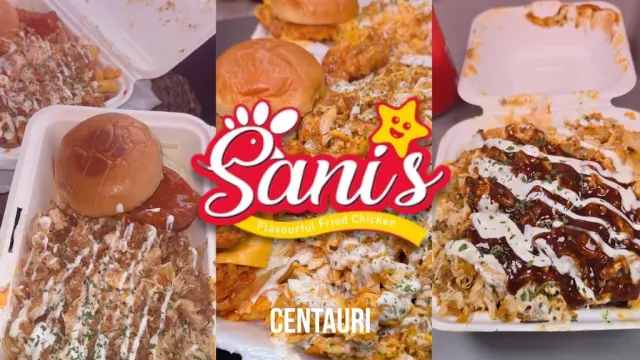
One brand that embraced this approach wholeheartedly was Birmingham’s own Sani’s Chicken, a bold burger destination known for its fiery fried chicken and signature spicy glazes. By shifting from standard product shots to cinematic, texture-rich visuals — think slow-pouring sauce, sizzling pans, and golden crusts up close — they didn’t just refresh their feed; they completely rewired their digital presence.
Proof in the Numbers: Sani’s Chicken’s Content Revolution
Let’s talk about results, because that’s what really matters. Sani’s Chicken partnered with Centauri to overhaul their content marketing strategy, moving away from static posts and toward a sensory-first visual language. The goal was simple: break out of stagnant digital reach and reconnect with a local audience hungry for authentic, craveable content.
The numbers speak for themselves. Their top-performing campaign post generated a staggering 5 million views — organic, no paid boost. Across their entire content library, they averaged 300,000 views per piece, with total likes exceeding 500,000 on their most engaged posts. For an independent restaurant brand competing against national chains, that’s not just a win; it’s a blueprint.
How did they do it? By leaning into the sensory storytelling trend with a cleaner, punchier aesthetic. Centauri deployed high-texture cinematography that triggered immediate consumer cravings — think macro shots of crispy coatings, glossy glazes dripping off freshly fried pieces, and smash burgers sizzling on the griddle. This wasn’t just food photography; it was a visceral experience designed to make you hungry.
You can see the full story of that transformation on our case study page. But the takeaway for any F&B marketer is this: 2026 isn’t about throwing money at ads. It’s about making your content irresistible at a primal level.
Authenticity Over Aesthetics (But Both Matter)
Here’s where many brands get it wrong. The “authentic” trend of recent years has led some to believe that production value doesn’t matter — just point your phone at the grill and post. But the data from 2026 shows a more nuanced reality. Audiences can spot lazy content instantly, and they scroll past it. The trick is combining authenticity with intentional craft.
Sensory storytelling isn’t about looking amateur — it’s about looking real in the best possible way. It’s using professional lighting to make a patty look juicy, not plastic. It’s capturing the steam rising off a freshly opened box without losing the raw energy of a bustling kitchen. The best F&B content of 2026 feels both cinematic and genuine, like you’ve been invited behind the counter with a filmmaker’s lens.
This approach scales for any business, whether you’re a single-location burger joint or a national brand. The principles are the same: lead with texture, lean into sound, and always, always focus on the moment of consumption. That’s where the magic lives.
Platform-Specific Strategies in 2026
Of course, where you put that content matters just as much as how you make it. The social media landscape in 2026 has shifted significantly, with short-form video still dominating but new trends emerging around longer-form “slow food” content on platforms like YouTube and emerging verticals. Reels and TikToks remain the primary drivers of discovery, but brands are finding that longer, more immersive content builds deeper loyalty and trust.
For F&B brands, the winning formula often looks like this: hook them with a 15-second sensory explosion on Reels, then send them to a longer behind-the-scenes video or a creator collaboration on YouTube or your website. This tiered strategy allows you to capture attention quickly while building a more substantive connection over time.
Centauri’s full range of marketing services (opens in a new tab) includes content strategy and production tailored to exactly this kind of multi-platform approach. The key is consistency — not just in posting frequency, but in the sensory language you use across every touchpoint.
Actionable Steps for F&B Brands
If you’re looking to update your content marketing for 2026, start here. First, audit your current content. Is it selling or is it moving people? Look for opportunities to introduce more tactile, sensory elements — even small changes like adding sound design to silent videos or using a macro lens on your phone can make a difference.
Second, test formats. Don’t assume your audience wants polished tutorials. Run A/B tests between a classic “how we make it” video and a purely sensory “watch the sauce drip” clip. The data will tell you which one drives more saves, shares, and website clicks.
Third, partner with experts who understand F&B’s unique visual language. A generic content agency might produce beautiful imagery that doesn’t sell burgers. You need a team that knows the difference between a food photo and a food experience.
The Future Is Delicious
Food & Beverage Content Marketing trends are evolving fast, but the core principle remains timeless: people eat with their eyes first. In 2026, the brands that succeed will be those that translate taste, texture, and temperature into visual storytelling that stops thumbs and starts cravings.
Whether you’re a neighbourhood favourite like Sani’s Chicken or a growing regional chain, the playbook is clear. Invest in sensory content, measure what moves, and never underestimate the power of a truly mouth-watering frame. The audience is hungry — all you have to do is feed the screen.
Want the full story? Read our case study with Sani's Chicken.