Marketing
Retail SEO Trends 2026: Why Content-Led Strategies Will Define the Winners
As search engines demand more than keywords, brands that blend sensory content with community trust are set to dominate Retail SEO trends 2026.
Introduction
If you’re in retail, you already know the rules of SEO are being rewritten. Google’s latest updates reward depth, relevance, and real-world authority — not just link counts or keyword density. By 2026, the brands that thrive will be those that treat SEO as a holistic strategy, weaving together audience insight, content excellence, and authentic local connection. It’s no longer about tricking algorithms; it’s about earning the right to appear.
This shift opens up enormous opportunities for retailers willing to invest in content-led growth. And the data is already showing which approaches win. From high-engagement visual storytelling to community-driven local search, the trends shaping retail SEO next year are clear. Let’s look at what matters most.
Trend 1: Content Quality Beats Content Volume
For years, the mantra was “more is more.” Publish dozens of blog posts a week, stuff them with long-tail keywords, and hope something sticks. That era is over. Google’s Helpful Content Update and the growing importance of E-E-A-T (Experience, Expertise, Authoritativeness, Trustworthiness) mean that thin, generic content is being deprioritised — sometimes even penalised.
In 2026, the focus will shift entirely to high-quality, original content that genuinely serves the user. For retailers, this means moving away from product-description rewrites and towards immersive buying guides, how-to content, and stories that connect the product to a lifestyle. It’s about answering the deeper questions a customer has — not just “what is this?” but “why does this matter to me?”
One powerful example of this approach comes from the UK food sector. Centauri partnered with a well-known brand to overhaul its content strategy, moving from static images and generic copy to sensory-led visuals that highlighted the richness of its products. The result wasn’t just a better-looking website — it drove measurable search engagement. Through a cleaner, more impactful visual style and a focus on key food moments, the brand achieved over 500,000 views and 20,000 likes across its organic content. That’s the kind of quality-first strategy that search engines (and shoppers) reward.
Trend 2: Visual Search and Sensory-Led Content Are Non-Negotiable
We live in an era where a picture — or a video — often says more than a thousand product descriptions. Visual search is growing rapidly: Google Lens processes billions of queries every month, and platforms like Pinterest and Instagram are becoming major search engines in their own right. For retail SEO, that means optimising for how people see, not just what they type.
By 2026, expect visual content to be as important for SEO as text is today. Alt text, structured data for images, and video transcripts will be table stakes. But the real edge will come from content that evokes a sensory experience — mouthwatering food shots, lifestyle imagery that places a product in a real setting, and short-form video that answers a “how-to” query. This isn’t just about aesthetics; it’s about creating a connection that search algorithms recognise as valuable.
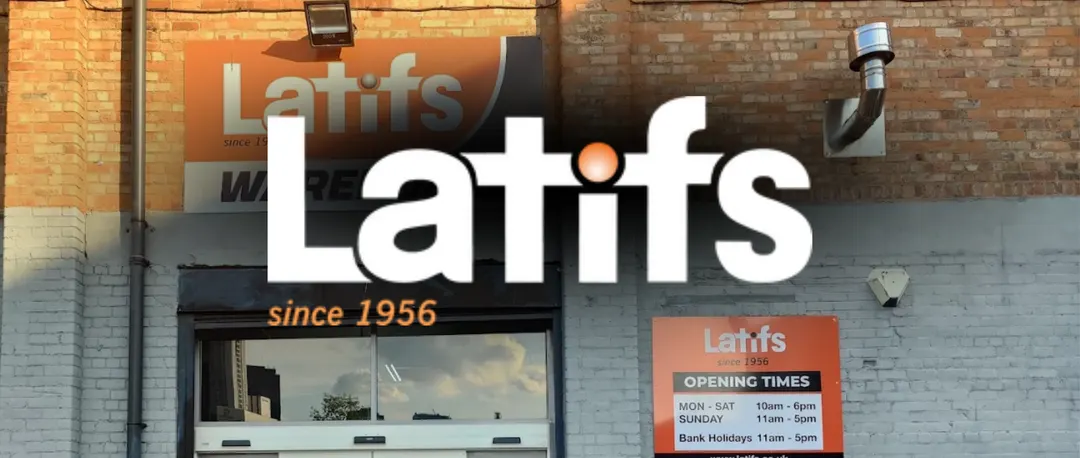
The case study mentioned earlier is a perfect example of this shift. Latifs, a food brand with a strong local reputation, needed to modernise its online presence. Centauri’s content-led strategy introduced high-quality, sensory-driven visuals that elevated the brand’s perception and drove deep engagement — not just passing likes, but sustained interaction that signals authority to search engines. The 20,000 likes are a metric of genuine resonance. In the world of retail SEO 2026, that kind of engagement will be worth more than a dozen backlinks from low-quality directories.
Trend 3: AI Is Reshaping Search — and Your Content Must Adapt
Artificial intelligence is no longer a futuristic concept in SEO. Google’s Search Generative Experience (SGE) and AI-powered overviews mean that users are getting answers directly on the search results page. For retailers, this creates both a challenge and an opportunity.
The challenge: traditional “top 10” lists and simple product pages may lose visibility if AI can summarise them without a click. The opportunity: content that is authoritative, structured, and rich with original data or insights can be a source for AI-generated answers. If your content gets cited by Google’s AI, your brand gains massive exposure.
To prepare for 2026, retailers need to think about “answerable” content. This means using clear headings, FAQ schema, and concise, well-sourced information that AI can pull from. But more than that, it means creating content that AI can’t easily replicate — personal stories, original research, community testimonials, and sensory descriptions that require human craft.
Trend 4: Local SEO and Community Connection
Even as AI goes global, retail remains deeply local. People search for “near me” more than ever, and Google’s local pack places a premium on reviews, proximity, and local relevance. For retailers with physical stores, local SEO will be the biggest differentiator in 2026.
But local SEO is not just about claiming a Google Business Profile and getting reviews. It’s about building a genuine connection with the community. Content that highlights local events, partnerships, or even the story of a neighbourhood supplier can improve local rankings while building trust. Search engines are getting better at detecting authenticity — a brand that genuinely cares about its community will outrank one that just copies generic local pages.
The Latifs case study shows how a local reputation can be a springboard for digital growth. The brand’s strong community roots meant that the content-led strategy didn’t feel forced — it amplified an existing trust. By combining sensory content with a deep understanding of what local customers valued, the strategy achieved results that were both broad and meaningful.
How to Start Preparing for 2026
Retail SEO in 2026 won’t be about quick fixes. It will be about sustained investment in three core areas: content quality, visual storytelling, and local authenticity. Start by auditing your existing content: is it helpful? Does it evoke a feeling? Could an AI summarise it without losing the brand’s unique voice? If the answer to any of those is no, it’s time to rethink.
Consider working with an SEO partner who understands the nuance of content-led growth. At Centauri, we blend marketing expertise with a community-first ethos — helping brands like Latifs turn sensory content into real search results. Explore our marketing services (opens in a new tab) to see how we can help you navigate the changing landscape.
The retailers that will own 2026 are already shifting their mindset. They understand that SEO is no longer a technical checklist; it’s a creative, audience-first discipline. The proof is in the engagement numbers. The proof is in the brands that customers genuinely love. And the proof is in the strategies that connect pixels to people.
For a deeper look at how content-led SEO transformed a traditional brand, read the full Latifs case study.
Want the full story? Read our case study with Latifs.