Marketing
Retail Content Marketing in 2026: The Trends That Actually Move the Needle
For brands competing in crowded retail spaces, content marketing in 2026 is shifting from volume to value—and the numbers prove it.
Why Retail Content Marketing Demands a New Playbook
The retail landscape has never been more demanding. With consumers bombarded by an average of 6,000 to 10,000 brand messages daily, the brands that cut through are no longer the ones shouting loudest. They're the ones telling the most compelling stories. In 2026, retail content marketing trends are coalescing around one central truth: authenticity and precision outperform reach.
For years, retailers treated content marketing as a volume game—pumping out blog posts, social updates, and product descriptions with little regard for cohesion or narrative. That era is ending. Today's winning strategies hinge on intentionality: every piece of content serves a purpose, every visual aligns with a brand's core identity, and every story connects a product to a real-world application.
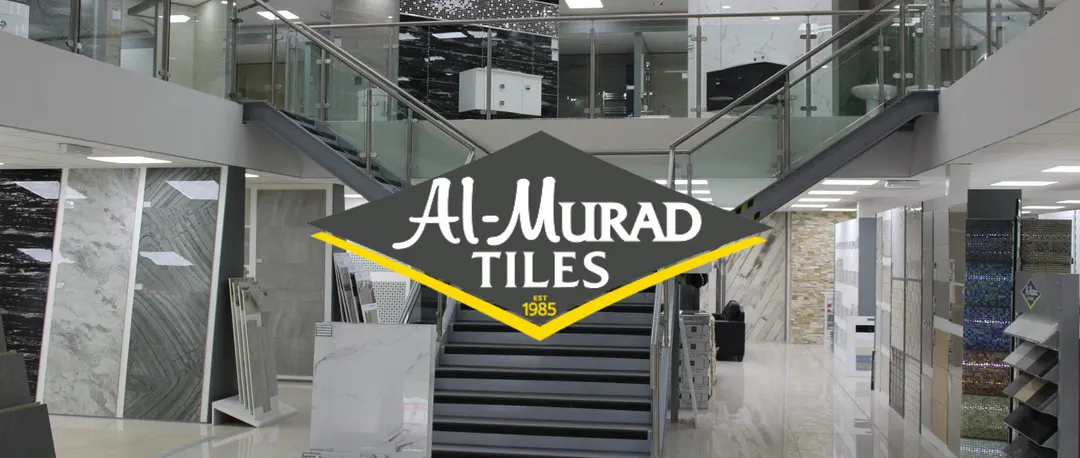
One proof point of this shift comes from a recent Centauri collaboration. Al Murad Tiles, a heritage retail brand with an enviable product range and reputation, faced a challenge many established retailers know intimately. Their in-store experience was rich, tactile, and persuasive. But that magic wasn't translating online. Their digital presence felt disconnected—a collection of standalone images and generic product descriptions that failed to capture the craftsmanship and design potential of their tiles. The result? Stagnant engagement and missed opportunities.
The Rise of Application-Led Storytelling
Perhaps the most defining trend of retail content marketing in 2026 is the move from product-led to application-led storytelling. Consumers don't just want to see a tile; they want to see it on a kitchen wall, refracted through late afternoon light, paired with the right countertop. They want to imagine the space it creates, the mood it sets, the problem it solves.
This is where Al Murad Tiles found its breakthrough. Centauri deployed a refined content strategy focused on clean, high quality visuals and application-led storytelling. Instead of static product shots, the brand began showcasing tiles within real environments—living rooms, hotel lobbies, bathroom retreats. Each image told a story of possibility. The visual direction was unified, the narrative consistent, and the result was measurable: a surge of +64K views.
A jump of that magnitude isn't an accident. It reflects a deeper consumer hunger for contextual content. People are no longer shopping for things; they're shopping for outcomes. Retailers that understand this distinction are rewriting their content playbooks accordingly.
Consistency as a Competitive Advantage
Another overlooked trend shaping 2026 is the strategic value of visual consistency. In a fragmented media landscape, a brand's visual language is its signature. Yet many retailers treat Instagram, their website, email newsletters, and lookbooks as separate silos, each with its own aesthetic.
The most effective retail content strategies now enforce a consistent visual direction across every touchpoint. For Al Murad Tiles, this meant establishing a visual grammar—a set of principles governing lighting, composition, colour grading, and context. Every tile image now feels like it belongs to the same collection, the same story, the same brand. This consistency builds trust and recognition, which in turn drives deeper engagement.
How Data Sharpens the Creative Edge
Retail content marketing in 2026 is also becoming more data-informed—without losing its creative soul. The best practitioners use performance data not to dictate content, but to sharpen it. If engagement spikes on videos showing tile installation processes, create more of those. If lifestyle photography outperforms product-only shots, invest there.
The +64K views achieved with Al Murad Tiles didn't happen by chance. They were the product of continuous iteration: testing different visual approaches, measuring response, and doubling down on what worked. Retailers can apply this same logic to their own content calendars. Track what resonates, identify patterns, and let the data guide—not govern—your creative decisions.
The Human Element Still Wins
Amid all the talk of algorithms and metrics, one trend remains timeless: people connect with people. Retail content marketing in 2026 must preserve a human voice. That means storytelling that feels personal, not corporate. It means showing the faces behind the brand, the hands that craft the products, the spaces where lives are lived.
This is where many brands trip up. They try to sound like the latest startup or mimic the tone of a social media influencer. But authenticity cannot be faked. The most resonant retail content speaks in a brand's own voice—warm, knowledgeable, and genuinely helpful. Al Murad Tiles leaned into this by highlighting real applications and design possibilities, letting the product's intrinsic quality shine without overwrought sales copy.
Practical Steps for Retailers Preparing for 2027
If you're a retailer looking to align your content marketing with the trends defining 2026, start with these actions:
- Audit your content for consistency. Are your visuals, tone, and messaging cohesive across every channel?
- Shift from product features to application stories. Show customers how your products solve real problems or enhance real spaces.
- Invest in quality over quantity. One well-crafted, high-engagement piece outperforms ten forgettable posts every time.
- Use data to refine your creative strategy. Measure what resonates and iterate accordingly.
- Keep the human element front and centre. Write like a person, not a brochure.
The brands that will thrive in the year ahead are those that treat content marketing not as a commodity, but as a craft. For more insights on how Centauri approaches this discipline, explore our Marketing (opens in a new tab) services.