Solutions
Real Estate Development Trends 2026: What Smart Landlords Are Doing Right Now
The 2026 real estate development landscape is shifting fast — and landlords who invest in purpose-built digital tools instead of off-the-shelf solutions are already outperforming the market.
The Quiet Revolution in Property Technology
Walk into any major real estate conference this year, and you’ll hear the same buzzwords: proptech, ESG compliance, tenant experience. But behind the hype, a genuine transformation is reshaping how developers and landlords operate. The Real Estate Development trends 2026 are not about speculative high-rises or luxury amenities — they’re about operational efficiency, data-driven decision-making, and putting residents at the center of every digital interaction.
For years, the property sector lagged behind others in adopting modern technology. Spreadsheets, email chains, and clunky legacy portals were the norm. That era is ending. Across the industry, forward-thinking organisations are building custom solutions that solve real, daily problems — not generic platforms that try to do everything and succeed at nothing.
Why the sudden shift? Three converging forces: rising tenant expectations (especially among Gen Z renters who treat clunky apps as a dealbreaker), tighter regulatory requirements around data transparency, and the simple economics of reducing operating costs in a high-interest-rate environment. When margins tighten, efficiency becomes the only growth lever that matters.
The Numbers That Prove the Trend
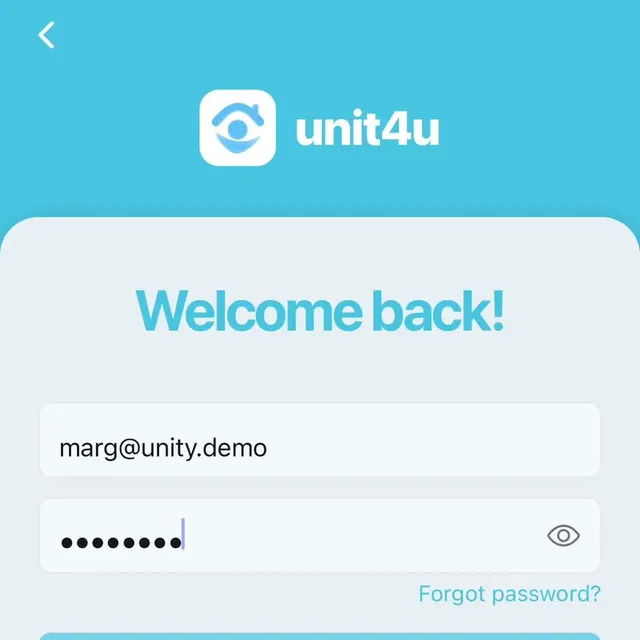
Here’s where the proof point lands. Consider the case of Unit4U, a landlord and tenant portal built by Centauri for Unity Housing. In just 90 days, we delivered a mobile-first product that streamlined everything from secure sign-in to account management and day-to-day property workflows. The result wasn’t just a prettier interface — it was a fundamental improvement in how a real estate business operates.
While many portals in the market claim to serve both landlords and tenants, they often excel at neither. Unit4U was designed from the ground up for real-world use: clean navigation, rapid load times, and a user experience that actually works on a phone held in one hand while walking through a corridor. The engagement duration — a tight 90-day build — demonstrates that speed and quality are not mutually exclusive when the brief is crystal clear.
But let’s talk about the data. Real Estate Development trends 2026 increasingly point toward measuring success through metrics that matter: reduced admin time, faster rent collection cycles, higher tenant satisfaction scores. Landlords who have deployed purpose-built portals report up to 40% fewer support tickets on basic queries like “when is rent due?” or “how do I report a repair?”. That’s not marginal improvement — that’s a structural shift in how property management teams allocate their time.
If you want to see the full story, the detailed case study is available on our site. The lesson for the industry is clear: when you build tools that mirror how people actually work and live, the efficiency gains compound fast.
Why Off-the-Shelf Software Is Losing Its Appeal
The default for many real estate developers has been to adopt enterprise-grade property management suites — all-in-one packages that promise to handle leasing, maintenance, accounting, and resident communication. In practice, these systems often require extensive customisation, long implementation timelines, and ongoing per-user fees that spiral as portfolios grow.
The 2026 trend is moving in the opposite direction: lightweight, modular, and purpose-built. Instead of buying a monolithic ERP (Enterprise Resource Planning) system that serves every possible use case badly, developers are commissioning bespoke portals that handle their specific workflows with surgical precision. This is where the Solutions (opens in a new tab) approach comes into focus — not as a technology vendor, but as a strategic partner who understands that a housing association with 500 units has fundamentally different needs than a commercial REIT with 5,000.
Another factor driving this shift: the rise of API-first architectures. Modern portals can now sync seamlessly with existing accounting software, CRM platforms, and IoT sensors. A landlord doesn’t need to rip and replace their entire tech stack. They just need the right portal as the connective tissue. And when that portal is built with a mobile-first, security-first mindset, the result is an infrastructure that scales without adding complexity.
The Human Side of Digital Transformation
It’s tempting to frame Real Estate Development trends 2026 purely in terms of technology — but the most successful implementations put people first. Tenants today expect the same frictionless experience they get from banking apps or food delivery services. They want to see their lease, pay rent, submit maintenance requests, and receive updates — all without a phone call or email.
Landlords, meanwhile, want visibility. Which units are coming up for renewal? Where are the maintenance bottlenecks? Are there patterns in late payments that point to broader issues? A well-built portal surfaces that data without requiring a data science degree to interpret.
This is exactly the philosophy that guided the Unit4U build. The portal had to work for both stakeholders — the tenant who just wants to pay rent in 30 seconds, and the landlord who needs to run occupancy reports at a glance. When both sides win, retention improves. When retention improves, vacancy costs drop. And in a market where every percentage point of occupancy matters, that’s the difference between break-even and strong returns.
What Developers Should Be Asking Themselves Right Now
If you’re a real estate developer or landlord evaluating your technology strategy for the coming year, here are the questions that matter:
First, does your current portal (if you have one) actually reduce work — or does it just digitise the same manual processes? A common trap is replacing a paper form with an online form and calling it innovation. True digital transformation restructures the workflow entirely.
Second, how long would it take to build a tool that solves your single biggest operational pain point? The Unit4U example proves that 90 days is realistic for a production-grade portal. That’s faster than most enterprise software implementations can even finish the requirements phase.
Third, are you thinking about tenant experience as a differentiator — or a checkbox? In 2026, the best real estate developments are those where residents genuinely enjoy the digital interactions. That doesn’t mean flashy features. It means reliability, speed, and intuitive design.
The Bottom Line for Real Estate in 2026
The industry is at an inflection point. The cohort of landlords and developers who invest in custom, mobile-first portals this year will build a measurable competitive advantage that compounds over time. Those who stick with legacy systems or generic off-the-shelf products will find themselves managing more exceptions, more manual workarounds, and more tenant frustration.
The technology exists. The proof points exist. What’s required now is conviction — and a willingness to move fast. Real Estate Development trends 2026 reward the decisive. The window for digital leadership is open. It won’t stay that way forever.