Marketing
Retail SEO Beyond Keywords: Sensory Content and a Joined-Up Ecosystem
Discover how sensory-led content and refined SEO strategies are helping retail brands turn digital visibility into measurable engagement.
The New Rules of Retail SEO
If there’s one lesson that’s become crystal clear for retail brands in 2026, it’s that SEO has evolved far beyond keywords and meta tags. Today, search engines reward depth, authenticity, and user experience. For retail brands competing for attention, that means every piece of content must earn its place—not just through relevance, but through genuine engagement.
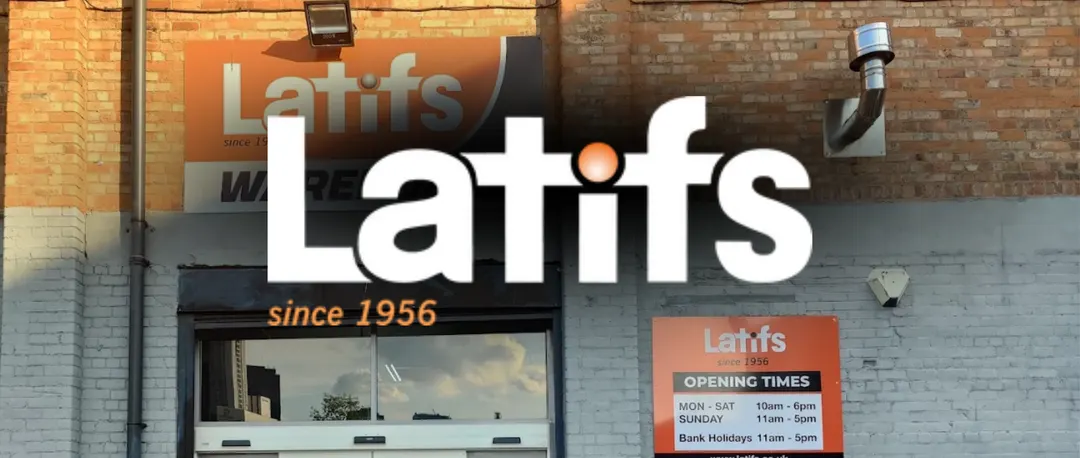
The winning formula? A blend of high-quality storytelling, visual richness, and data-informed tweaks. And the proof is showing up in real numbers. Take the case of Latifs, a retail brand that knew its product was strong but struggled to make that strength felt online. With limited high-quality content and inconsistent digital visibility, they needed more than just a technical fix. They needed a content strategy that could turn browsing into connection.
Centauri partnered with Latifs to deploy a refined content strategy—one centred around sensory-led, visually compelling content designed to elevate brand perception. The results speak for themselves. Within months, Latifs generated over 500,000 views and 20,000 likes on key pieces of content.
The Shift Toward Sensory-Led Content
One of the biggest shifts in retail SEO this year is the rise of “sensory-led” content. Search algorithms are getting smarter at measuring how users interact with pages—not just whether they click, but whether they stay, scroll, and engage. That’s where sensory-rich visuals, evocative language, and emotionally resonant storytelling come into play.
For retail brands, this means moving away from flat product descriptions and generic stock imagery. Instead, successful brands are creating content that feels almost tangible—photos that make you want to touch, words that hint at taste or texture, and layouts that guide the eye naturally. When a brand’s online presence feels like an experience, users spend more time on site, visit more pages, and are far more likely to convert.
Latifs leaned into exactly this. By focusing on key food moments and introducing a cleaner, more impactful visual style, they transformed their digital storefront into a place people wanted to linger. And search engines noticed. Longer dwell times, higher click-through rates, and stronger social signals all feed back into better organic rankings. That’s the virtuous cycle that retail brands need to build—and it starts with content that deserves attention.
Why Data-Driven SEO Wins in 2026
Even the most beautiful content needs a compass. That’s where data comes in. The best retail SEO strategies don’t just guess what audiences want—they measure it. They track which topics resonate, which formats drive engagement, and which channels amplify reach.
For Latifs, the 500,000 views and 20,000 likes weren’t accidents. They were the result of a systematic approach: refining visuals based on performance, posting at times when audiences were most active, and doubling down on content that sparked reactions. That’s the kind of feedback loop that modern SEO demands. It’s not enough to create one great piece and hope for the best. You need to test, learn, and iterate.
That principle applies across the board. Whether you’re a fashion label, a homeware brand, or a food retailer, the brands that win in 2026 are the ones that treat SEO as a continuous conversation with their audience—not a one-time setup. Search engines are rewarding relevance and responsiveness, and the data tells you exactly where to focus.
Building a Content Ecosystem That Works
Another key takeaway for retail brands is the importance of a cohesive content ecosystem. A strong SEO strategy isn’t just about ranking a product page. It’s about creating a web of interconnected content that guides users from curiosity to confidence. That might mean blog posts that answer common questions, video demos that show products in action, or social posts that drive traffic back to deeper resources.
The best retail brands treat their SEO as a layered strategy. They ensure every piece of content serves a purpose—whether it’s attracting new visitors, keeping them engaged, or driving that final conversion. And they constantly recycle high-performing content into different formats to maximise its impact.
At Centauri, we help retail brands build exactly this kind of ecosystem. Our marketing services (opens in a new tab) are designed to combine creative storytelling with data-driven optimisation, so your brand doesn’t just show up—it stands out.
Looking Ahead: What Works Now
So what’s the single most important thing retail brands should do right now to win with SEO? Invest in content that treats your audience like humans, not search queries. That means real visuals, real stories, and real value. Then back it up with data that tells you what’s working and what needs adjusting.
The numbers don’t lie. When Latifs applied this approach, they saw massive engagement gains—not because of tricks or shortcuts, but because they made content worth seeing. That’s the playbook for 2026 and beyond.
At Centauri, we’ve seen how retail brands can transform their digital presence when SEO is done right. Whether you’re just starting out or looking to refine an existing strategy, the opportunity is huge. And the best part? The tools, data, and creative approaches are all available now. It’s just a matter of putting them together in the right way.
Want the full story? Read our case study with Latifs.