Marketing
How Dresden Doner Won 15,000 New Followers and a 97% Engagement Rate
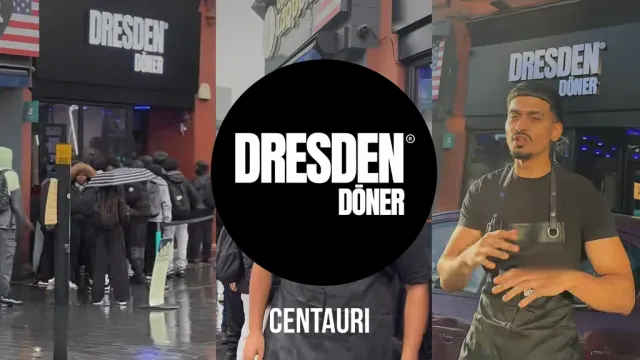
Discover how sensory-driven content strategies are helping F&B brands cut through the noise and drive real results — with data from a real Birmingham success story.
The New Rules of Engagement for F&B Brands
The Food & Beverage sector has never been more crowded. From independent street-food stalls to established restaurant chains, every brand is competing for attention on social feeds, search results, and local discovery platforms. In 2026, the brands winning aren't the ones shouting loudest—they're the ones making viewers stop, salivate, and remember.
Content marketing in the F&B space has evolved past slick product shots and generic menu posts. Today’s winning formula hinges on authenticity, sensory immersion, and hyper-local relevance. Consumers have become adept at filtering out obvious advertising. They want to see the sizzle, hear the crunch, and know exactly where to find you before they even step out the door.
That shift demands a content strategy that doesn’t just promote—it connects. And the data proves it works.
The Sensory Shift: Why Macro Shots and Location Content Win
Traditional food photography is no longer enough. The most successful F&B content now leans into what we call “sensory-driven storytelling”: macro close-ups of meat being carved, steam rising from fresh ingredients, and ambient sound that transports the viewer. These elements trigger a psychological response that static images simply cannot match.
One brand that embraced this approach is Dresden Doner, a halal German Döner restaurant near Birmingham Grand Central Station. Facing a saturated market, they needed to stand out not just with their premium cuts, but with a content presence that felt immediate and irresistible. Centauri implemented a sensory-driven content strategy featuring trend-focused videography with macro food shots that made the textures and colours pop. Additionally, intuitive location-mapping videos showed commuters exactly how to walk from Grand Central to the shop—turning a potential barrier into a guided invitation.
The results speak for themselves: a 97% engagement rate, over 350,000 views, and 15,000 new followers. These numbers aren’t vanity metrics—they represent real people stopping, watching, and deciding to visit. You can see the full case study here to understand how these tactics were deployed.
Measuring What Actually Matters: Beyond Vanity Metrics
One of the biggest mistakes F&B brands make is obsessing over vanity metrics—likes and impressions that don’t translate to foot traffic or orders. The content that wins in 2026 is measured by deeper indicators: engagement rate, view-through rate, and community growth.
Take Dresden Doner’s results. A 97% engagement rate isn't just impressive—it’s transformative. That kind of interaction signals that the content isn’t just seen; it’s felt. Views over 350k and 15k followers represent an audience that actively chose to follow the journey, not just stumble upon a post. When engagement is that high, every piece of content becomes a conversation starter, a brand ambassador, and a direct line to potential customers.
The lesson for F&B brands is clear: stop counting likes and start tracking what drives behaviour. Authentic content that triggers an emotional or practical response will always outperform polished but distant advertising. If your content strategy needs a rethinking, Centauri’s marketing services (opens in a new tab) offer a proven roadmap built on data and real-world results.
Actionable Takeaways for F&B Brands in 2026
So how can your F&B brand replicate this success? Here are four strategies that the most forward-thinking operators are already using:
1. Lead with Sensory Storytelling
Invest in macro videography that shows texture, colour, and movement. Capture the moment sauce drips, cheese stretches, or steam rises. These micro-moments are incredibly shareable and create an almost Pavlovian response in viewers.
2. Map the Journey, Not Just the Menu
Location-based content is undervalued by many F&B brands. Show viewers how to find you from the nearest station, landmark, or car park. If your location is a little tucked away, turn that into a feature—a treasure hunt that builds loyalty from the first visit.
3. Ride the Trends, But Stay True to Your Brand
Platforms like TikTok and Instagram Reels reward trend-driven formats. But don’t copy trends blindly. Adapt them to your brand voice. Whether it’s a “Day in the Life” of a chef or a behind-the-scenes prep reel, authenticity resonates more than a perfect copycat.
4. Build a Community, Not Just a Following
The 15,000 followers of Dresden Doner aren’t a passive audience—they are regulars-in-waiting. Nurture them with exclusive content, responses to comments, and user-generated content that makes them feel part of the story. A loyal community is your best marketing asset.
The Future of F&B Content: Personal, Location-Aware, and Addictive
Looking ahead to the rest of 2026 and beyond, content marketing for Food & Beverage will continue to move toward hyper-personalisation and real-time relevance. With the rise of location-based AI tools and dynamic creative, brands can serve different content to users based on time of day, weather, or proximity to their venue.
But the core principle remains unchanged: the brands that win are those that treat content as a genuine service to their audience—not a sales pitch. They educate, entertain, and orient. They make the viewer feel something, and then they make it easy to act.
Whether you’re a single-site independent like Dresden Doner or a growing multi-location brand, the playbook is the same. Invest in sensory-rich content, measure what matters, and place your audience’s experience at the centre of every piece of content you create. That’s how you win in 2026.
Want the full story? Read our case study with Dresden Doner.