Marketing
How Steakout Turned Sizzle Into 200,000 Views and 22,000 Likes
Sensory-led storytelling, platform-native formats, and authentic data-driven pivots are rewriting the playbook for food and beverage brands in 2026.
The food and beverage industry has always been a feast for the senses — but in 2026, the brands that truly win are the ones that know how to translate that sensory experience into scroll-stopping content. With attention spans shorter than ever and competition fiercer by the day, F&B marketers are moving beyond stale product shots and generic recipe posts. Instead, they’re investing in immersive, platform-native storytelling that builds craving, trust, and community. The shift is not just about being seen — it’s about being felt. And for brands that get it right, the results are tangible.
The Sensory Content Imperative
In a crowded digital landscape, static images and generic descriptions no longer cut it. Consumers, especially Gen Z and millennials, are hungry for content that makes them feel something. For F&B brands, that means prioritising textures, temperatures, and authentic moments. Think sizzling steaks with smoke rising, a slow-motion pour of glossy sauce, or the crisp crunch of a fried coating captured in high definition. This sensory-first approach isn’t just visually appealing — it’s neurologically effective. Studies consistently show that food content that triggers multiple senses (sight, sound, even imagined taste and smell) drives higher engagement, longer dwell time, and stronger purchase intent.
By 2026, the most successful F&B brands are treating their content like a tasting menu: each piece is designed to build anticipation and deliver a distinct emotional response. That can mean short-form videos that mimic the ASMR of kitchen sounds, recipe carousels with step-by-step hero imagery, or behind-the-scenes clips that humanise the chefs and servers. Crucially, this approach works across platforms — from TikTok and Instagram Reels to Pinterest and YouTube Shorts — as long as the sensory DNA is consistent.
The Proof Is in the Sizzle: Content That Drives Real Results
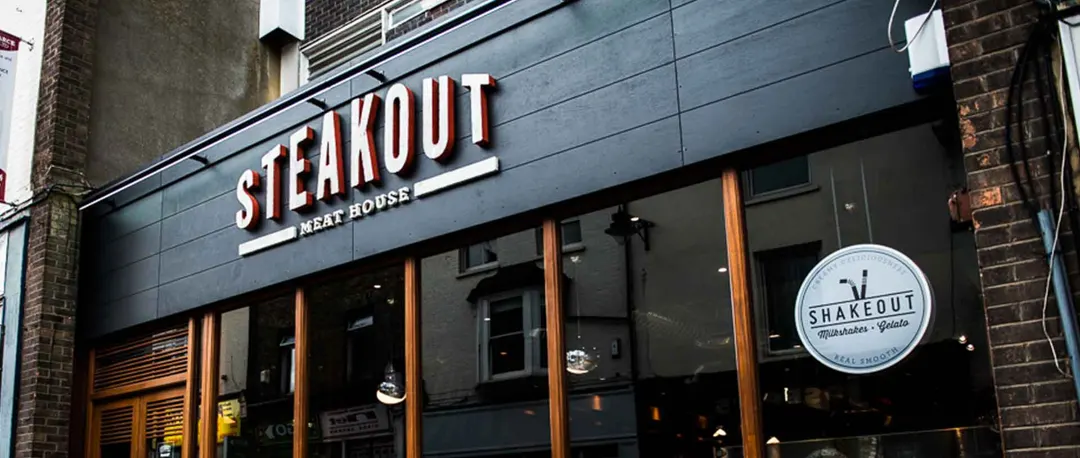
One brand that perfectly illustrates this principle is Steakout, a nationally recognised steakhouse known for its indulgent grilled meats and premium comfort food. Instead of relying on conventional food photography, Centauri deployed a refined content strategy centred on high-quality, sensory-led visuals that emphasised heat, texture, and premium presentation. By zooming in on the sear marks, capturing the steam rising from a sizzling platter, and framing every dish as an event, the content transformed casual viewers into hungry diners.
The results speak for themselves: the campaign generated over 22,000 likes and 200,000+ views — numbers that underscore how powerful a sensory-first approach can be when executed with intention. This is more than a single success — it’s a blueprint for any F&B brand looking to cut through the noise and build a loyal audience in 2026.
Platform-Native Formats and the Rise of “Cook With Me” Content
What makes the 2026 playbook different from previous years is the expectation that content must feel native to the platform it lives on. Generic one-size-fits-all posts are invisible. Instead, winning brands are experimenting with formats that reward authenticity and immediacy. Vertical video remains king, but short-form is evolving: “cook with me” clips, countertop plating shots, and “day in the life” kitchen vlogs are outperforming polished productions. The key is making the viewer feel like they’re there — standing at the stove, watching the chef, smelling the garlic.
Beyond video, interactive content is gaining ground. Polls, quizzes (“What steak doneness matches your personality?”), and “this or that” food comparisons drive engagement and provide zero-party data that can inform menu development or email segmentation. User-generated content (UGC) is also a goldmine: encouraging diners to share their own sizzle videos or plating hacks builds community and social proof. The best F&B brands treat their customers as co-creators, not just consumers.
Data-Driven Pivots: Measuring What Matters
Sensory content only works if you know which notes resonate with your audience. That’s where data becomes the chef’s knife. Brands that win in 2026 are using first-party data and platform analytics to refine their content in real time. They’re tracking not just likes and views, but save rates, share rates, and comment sentiment. A high save rate on a video? That dish deserves a permanent slot on the menu or a dedicated recipe post. A spike in comments asking about a specific ingredient? Time to create a behind-the-scenes piece about sourcing.
Crucially, the data also informs content distribution. Savvy marketers are moving away from “spray and pray” posting schedules and instead using heat maps of audience activity to time their drops — think lunchtime anticipation videos, late-night crave-bait posts, or Sunday brunch inspiration. This is not about manipulating algorithms; it’s about respecting the rhythm of the customer’s day. And it works. Brands that personalise both the content and its timing see conversion rates that outpace industry averages by significant margins.
The Community-First Table
Finally, the most enduring F&B content strategies in 2026 are built on community, not monologue. The days of broadcasting polished ads are over. Consumers want to feel like they’re part of the brand story — whether that’s by voting on new menu items, appearing in a user-generated campaign, or joining an exclusive loyalty group with early access to new content. The most effective brands use content as an invitation to a conversation, not a closing pitch.
Localisation also plays a major role. Even national chains are finding success by creating hyper-local content that highlights regional menu variations or community events. This builds trust on a neighbourhood level while maintaining a consistent brand voice. For independent restaurants and smaller chains, that sense of place can be a powerful differentiator against bigger competitors. The goal is to make every follower feel like a regular — even if they’ve never walked through the door.
Looking Ahead: Content as the New Flavour
As we move deeper into 2026, the F&B brands that thrive will be the ones that treat content with the same care and craft they apply to their dishes. The sensory-led approach is not a trend — it’s the new standard. Whether you’re a national steakhouse or a local pasta joint, the principles are the same: show, don’t just tell; let the food speak; and build community around every post.
Centauri’s work in content marketing demonstrates that when you combine strategic insights with platform-native creativity, the results are anything but dry. For brands ready to turn up the heat on their content strategy, the ingredients are already there. All it takes is the right recipe. If you’re exploring how to elevate your own F&B content approach, Centauri’s marketing services (opens in a new tab) can help design a strategy that’s as bold and flavourful as the dishes you serve.