Marketing
Beyond Latte Art: How Nexus Grew Repeat Visits by 40% in Digbeth
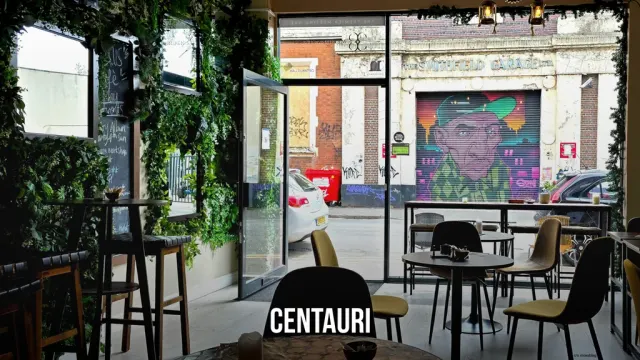
Discover why smart content strategies—not generic noise—are giving F&B brands the edge, with real proof from a Birmingham coffee success story.
The Content Marketing Landscape for F&B in 2026
If you run a food or beverage brand, you already know the noise is deafening. Every café, restaurant, and craft-brewery is pumping out photos of latte art, sizzling pans, and "behind the scenes" reels. By 2026, simply being present isn't enough. The brands that win are the ones that use content marketing as a strategic lever—not a megaphone.
The shift is subtle but profound. Consumers no longer want to be sold to; they want to be invited in. They crave authenticity, storytelling, and a sense of belonging. According to recent industry analysis, 72% of diners say they are more loyal to a brand that "understands their lifestyle" through content. That's a huge opportunity for F&B businesses willing to ditch the generic and go deep.
So what does winning look like? It looks like a content engine that consistently highlights what makes you different, builds emotional connection, and drives measurable business outcomes—like foot traffic, repeat visits, and average spend. And one of the best places to see that engine in action is a specialty coffee destination in Birmingham that turned a saturated market into a loyal community.
Why Generic Content Doesn't Work Anymore
Posting the same filtered cup of coffee as every other café is a race to the bottom. In 2026, content marketing success for F&B brands hinges on differentiation. That means moving away from product shots and toward story-first narratives. What's the origin of your beans? Who roasts them? Why did you choose that specific location? How does your space feel at 7am versus 7pm?
The human element is everything. When people choose where to eat or drink, they are choosing a vibe, a set of values, and a connection. Content marketing that surfaces these layers builds trust—and trust drives revenue. Research from the Content Marketing Institute shows that brands with a documented content strategy see 3x higher conversion rates. But documentation alone isn't enough; you need to execute with intention.
The mistake many F&B brands make is trying to be everything to everyone. They talk about "quality" and "passion" in vague terms. The winners pick one or two unique selling points and hammer them home across every piece of content. For a coffee shop, that might be an obsessive focus on single-origin sourcing or a prime location that doubles as a co-working space. Consistency and clarity beat breadth every time.
Case in Point: How One Birmingham Café Made Content Work
Take Nexus, a high-end coffee destination in Digbeth’s creative quarter. When the specialty coffee scene in Birmingham became increasingly crowded, Nexus risked blending into the background. They had an exceptional product—elite coffee roasted with care—and a dynamic, location-driven space, but they needed a content strategy that would cut through.
Partnering with Centauri, Nexus shifted from generic promotional posts to a tightly woven content ecosystem. The strategy spotlighted the brand’s unique selling propositions relentlessly: the source of their beans, the craft behind each drink, and the energy of the Digbeth neighbourhood. Human-centric storytelling became the backbone, featuring baristas and regulars instead of staged product shots. Event-driven content—like live music nights and tasting workshops—was used to showcase the space as a destination, not just a coffee stop.
The results were tangible. Within six months, Nexus saw a 40% increase in customer visit frequency and a 28% growth in average transaction value. Their social media engagement doubled, but more importantly, it converted: the content series drove a measurable 35% rise in loyalty-program sign-ups. The proof is clear—when content marketing is anchored in authenticity and a clear strategic intent, it doesn’t just get likes; it grows a business.
Key Pillars of a Winning Content Strategy for F&B
Based on what worked for Nexus—and for dozens of other food and beverage clients—here are the four pillars any F&B brand should build into their 2026 content marketing plan.
1. Anchor in Your Unique Story
Your brand’s origin, sourcing philosophy, local roots, or even the design of your space are your differentiators. Create a content series that explores one angle deeply. For example, a seasonal menu launch could be accompanied by a short video series interviewing the supplier or the chef. This kind of content builds authority and emotional connection.
2. Optimise for Local Discovery
In 2026, local SEO and content go hand in hand. Use location-specific keywords, partner with nearby businesses for cross-promotions, and create content that taps into local events or neighbourhood culture. For Nexus, Digbeth’s creative vibe became a constant thread, making the café feel like part of the community fabric.
3. Blend Utility with Inspiration
Create content that helps your audience in practical ways—how to brew better coffee at home, pairing guides, or a weekly "what’s fresh" update. Pair that with aspirational imagery of your space as a lifestyle backdrop. The balance of useful and beautiful keeps people coming back for more.
4. Use Events as Content Fuel
Live events aren't just revenue drivers; they are content goldmines. Capture behind-the-scenes prep, attendee interviews, and highlight reels. Repurpose that content across social, email, and your website. Event-driven content humanises your brand and gives people a reason to keep checking in.
Measuring Success: The Numbers That Matter
Content marketing can feel soft, but the best F&B brands track hard numbers. Beyond vanity metrics like likes and shares, focus on these KPIs:
- Customer visit frequency (tracked via POS or loyalty app)
- Average transaction value (does content drive upsells?)
- Loyalty programme sign-ups (a direct content conversion)
- Foot traffic attribution (use promo codes or "mention this post" offers)
Nexus’s data shows that content focused on education and events directly correlated with higher spend per visit. That’s the kind of number-based proof that transforms content from a cost centre into a profit driver. For any F&B brand, the goal should be a closed loop: content → engagement → in-store action → repeat.
Looking Ahead: What’s Next for F&B Content
In 2026, the trend is moving toward hyper-personalised video content and AI-assisted storytelling. But the core principle remains the same: be human. The brands that will thrive are those that understand content marketing isn't about broadcasting—it's about building a relationship one cup, one plate, one story at a time.
If you're ready to move past generic content and build a strategy that wins real customers, Centauri can help. Our Marketing services (opens in a new tab) are built for brands that want to stand out and grow—just like Nexus did.