Marketing
Show the Sizzle, Map the Route: Hyperlocal Video for Independent Eateries
Forget lifestyle stock photography and generic influencer posts – the food and beverage brands winning in 2026 are the ones that make you taste an image and feel the buzz before you even leave your sofa.
If you run a restaurant, cafe, or food brand today, you already know the old rules of content don't work. A static menu photo on Instagram isn't enough. A generic "We're open" post won't drive footfall. The brands that are actually winning are leaning into content that triggers all the senses – sound, texture, movement – while rooting everything in hyperlocal reality. The difference between being scrolled past and being visited is often just a few well-placed, sensorially rich seconds of video.
The data now backs this up. In 2025 alone, brands that adopted sensory-driven, location-aware content saw engagement rates that left the industry average in the dust. And looking ahead, the shift from broadcast-style marketing to marketing that feels like a helpful local tip isn't slowing down – it's accelerating.
The Challenge: Standing Out in a Crowded Market
The food and beverage industry has always been noisy, but the digital noise in 2026 is deafening. In any mid-sized city, a potential customer scrolling through their feed might see ten different restaurant ads before breakfast. So how do you make someone stop, look, and – crucially – walk to your door?
It’s a challenge that hits independent operators hardest. They don’t have national TV budgets. They don’t have celebrity endorsements. What they do have is a genuine local story and a product that can look irresistible if you capture it the right way. The mistake many make is treating content as an afterthought – a quick phone snap of a dish, a throwaway "new menu" update. That approach doesn't build discovery, and it certainly doesn't drive rapid conversion.
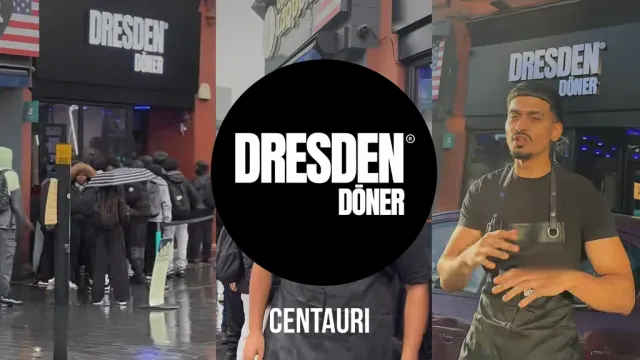
Take the case of Dresden Doner, a quick-service restaurant in Birmingham. Surrounded by chains and established independents in a saturated market, they needed more than just visibility. They needed a content engine that made people in the local area feel like they were missing out if they didn't visit. The goal was twofold: get discovered by new customers, and then turn that curiosity into a same-day transaction.
Why 2026 Demands a Sensory-First Approach
The winning content formula for F&B in 2026 is unapologetically sensory. It's not about showing a burger – it's about showing the steam rising from the patty, the crunch of the lettuce, the glossy drip of sauce. It's about using macro close-ups that feel almost tactile, paired with sound design that triggers hunger. If your content doesn't make someone's mouth water within two seconds, you've already lost them.
This is where trend-focused videography becomes essential. Short-form platforms reward high-energy, visually dense clips that feel immediate and unfiltered. Yet many F&B brands still treat video like a TV commercial – too polished, too distant. The brands that win are the ones that lean into realness: messy cheese pulls, sizzling pans, hands-on preparation. The imperfections are part of the appeal.
But sensory content alone isn't enough. You also need to solve the "how do I get there?" question. That's where intuitive location-mapping videos come in. These aren't boring directions – they're visual tours that show a commuter exactly how to walk from the train station, what landmarks to look for, and what the entrance looks like. It removes friction from the path to purchase. One popular format from early 2026 shows a first-person view walking through a city street, pausing at the door, then cutting to the food. It's simple, but it answers a question every potential new customer has: "Is it easy to find?"
The Numbers That Prove It Works
Content marketing in F&B has moved past the era of vanity metrics. Yes, likes and comments are nice – but the metrics that matter are engagement rate, view-through rate, and follower growth that translates into real-world traffic.
One standout example delivered results that point to the powerful intersection of sensory content and hyperlocal targeting. Over a campaign period, the approach generated an engagement rate of 97% – meaning nearly every person who saw the content interacted with it. That's not an industry average; that's a signal that the content was genuinely arresting. Combined with more than 350,000 views and a follower base that grew past 15,000, the numbers paint a clear picture: when you combine food porn with location clarity, people not only watch – they commit.
These aren't numbers from a national brand or a viral fluke. They came from a single independent restaurant in Birmingham, using focused content marketing that prioritised quality and relevance over budget. The lesson is simple: you don't need a huge spend. You need a strategy that understands human behaviour – we eat with our eyes first, and we move when the path is clear.
From Discovery to Conversion: The Hyperlocal Advantage
Hyperlocal content marketing is one of the strongest bets any F&B brand can make in 2026. People are increasingly filtering their digital lives by proximity – they want to know what's good near them, right now. If your content is optimised for a national audience, you're wasting fuel. If it's built for the three-mile radius around your restaurant, every view is a potential customer.
This is where the concept of "helpful content" meets footfall strategy. A video that shows a commuter exactly how to walk from Grand Central to your shop isn't just content – it's a utility. It reduces the mental cost of visiting a new place. The viewer no longer has to check Google Maps, look at reviews, or worry about getting lost. You've served them the answer before they even asked the question.
The same principle applies to seasonal and event-driven content. Restaurants that tie their video strategy to local happenings – a market, a festival, a big match day – see immediate spikes in engagement. The content becomes part of the local conversation, not a broadcast interruption. It says, "We're part of this community, and we know what you're looking for today."
What Other F&B Brands Can Learn
There's no one-size-fits-all template, but the successful playbook has a few repeatable elements. First, invest in video that prioritises texture and movement over static beauty shots. Second, build a content library that answers location questions upfront. Third, measure what matters – engagement rate and view-through tell you more about quality than raw follower count.
If you're starting from scratch, begin with a single hero dish. Film it from multiple angles, capture the process of making it, and add a clear location cue. Test it on your local audience. If the response is strong, expand the formula. The goal isn't to produce endless content – it's to produce content that earns a reaction and a trip.
For a deeper look at how this played out in practice, the full Dresden Doner case study breaks down the sensory strategy and the data behind it. And if you're ready to apply these insights to your own brand, the marketing services (opens in a new tab) page outlines how we build content engines that drive real-world results.
The 2026 winner in F&B content marketing isn't the brand that yells the loudest. It's the brand that makes you feel hungry, tells you exactly where to go, and then steps out of your way. The data proves it works.
Want the full story? Read our case study with Dresden Doner.