Marketing
How Food & Beverage brands win with Content Marketing in 2026
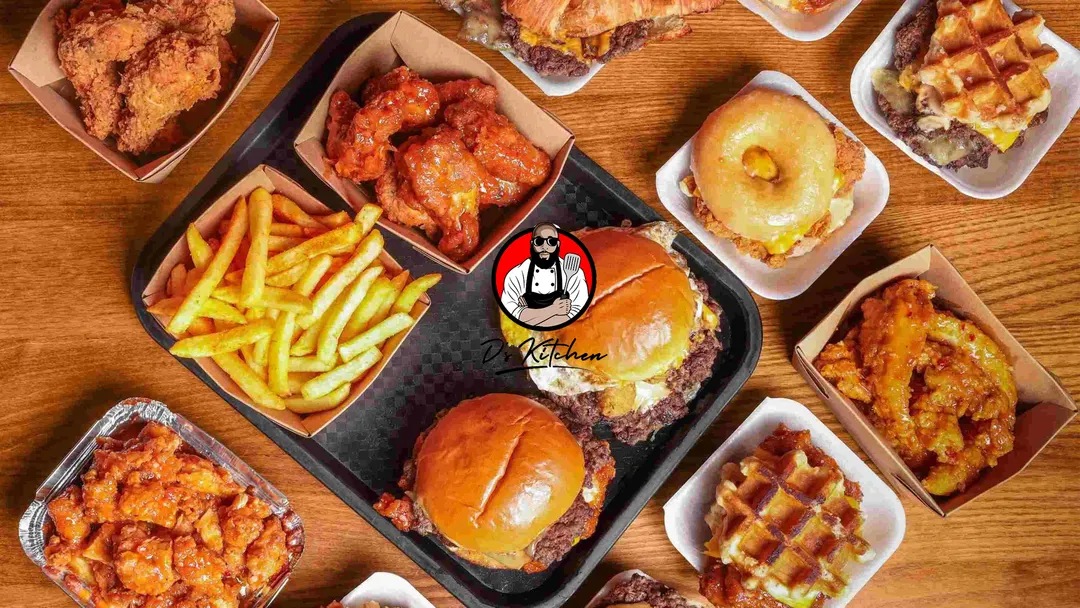
In a crowded market, Food & Beverage brands that lead with community-driven, hyperlocal content and video-first storytelling are not just seen—they are remembered and visited.
The Food & Beverage industry has always been fiercely competitive, but 2026 has raised the stakes. With diners spoiled for choice and algorithms dictating visibility, the difference between a packed restaurant and an empty one often comes down to one thing: how well a brand tells its story before the first customer ever walks through the door. Content marketing in this space has evolved beyond pretty plates and glossy menus. It is now about authenticity, community connection, and strategic hyperlocal targeting. For F&B brands, the question is no longer whether to create content, but how to create content that converts curiosity into footfall.
Community-First Content Wins the Day
The most successful Food & Beverage brands in 2026 understand that content marketing is not a broadcast tool—it’s a relationship builder. Instead of generic promotional posts, leading brands are weaving their founding stories, behind-the-scenes processes, and local ties into every piece of content. This approach humanises the brand and creates an emotional stake for the audience.
A powerful example is the launch campaign for D's Kitchen in Birmingham’s iconic Ladypool Road. Faced with a dense food culture and the challenge of standing out on a street famous for its culinary diversity, the team at Centauri built a pre-launch content strategy that didn’t just announce a new restaurant—it invited the community into the journey. By sharing raw, behind-the-scenes footage of the founder’s process and using targeted local teasers on TikTok and Instagram, the campaign grew organic buzz that felt less like advertising and more like a neighbourhood discovery. The result? Over 3 million video views, 2.2 million post views, and more than 123,000 likes, all before the doors even opened. The campaign reached over 137,000 local accounts, proving that when content feels personal, the community responds.
This success story underscores a key insight: F&B content marketing in 2026 must prioritise place and people over polished production. Brands that invest in showing their genuine local roots—whether it’s the family recipe, the neighbourhood vendors they source from, or the faces behind the counter—build trust that no paid ad can replicate. Authenticity has become the new currency of engagement.
Hyperlocal Targeting Drives Real Footfall
One of the biggest mistakes Food & Beverage brands still make is casting too wide a net. In 2026, the most effective content marketing is hyperlocal—designed to reach people who can actually walk through the door. Algorithms now reward content that resonates with a specific geographic audience, and platforms like TikTok and Instagram have made it easier than ever to target by neighbourhood, postcode, or even the radius around a venue.
The D's Kitchen campaign deliberately avoided broad national appeal. Instead, Centauri focused on Birmingham locals—people who would physically visit Ladypool Road. Teasers were geo-targeted, showing glimpses of the restaurant’s space, the sizzling pans, and the founder’s personal connection to the area. This created a sense of “you have to see this for yourself” that drove hundreds of local shares and check-ins.
For any F&B brand looking to replicate this success, the lesson is clear: don’t try to be everything to everyone. Use content marketing to own your neighbourhood. Tag local landmarks, collaborate with nearby influencers, and use location-based hashtags. The data backs it up: D's Kitchen’s 137,000 accounts reached were overwhelmingly local, translating into packed opening weeks and sustained buzz. Hyperlocal content isn’t just about views—it’s about turning digital interest into physical customers.
To learn more about how Centauri can help your brand design a hyperlocal content strategy, explore our Marketing services (opens in a new tab)—built for real-world results in the F&B space.
Video: The Undisputed Champion of Engagement
If there is one format that dominates Food & Beverage content marketing in 2026, it is short-form video. TikTok and Instagram Reels have become the de facto menus for Gen Z and Millennial diners. A static photo of a dish might catch an eye, but a 15-second clip of sauce drizzling, cheese stretching, or a chef plating in motion stops the scroll and triggers an almost Pavlovian response. Video builds anticipation and appetite in ways static images simply cannot.
D's Kitchen leaned heavily into this trend. The campaign’s 3 million video views were not accidental; they were the result of deliberately crafted clips that showed the sizzle, the steam, and the story behind each dish. By combining high-energy editing with authentic moments—like the founder’s late-night prep sessions and the first taste test—the videos felt like mini-documentaries rather than ads. This content not only entertained but also educated viewers about the restaurant’s ethos, making them more likely to visit when the doors opened.
For F&B brands, the takeaway is to invest in video production that feels native to the platform. Avoid overly polished TV-style commercials; instead, embrace handheld aesthetic, jump cuts, and captions. The goal is to give viewers a taste—literally and figuratively—of the experience they can expect. When done right, video content becomes a powerful driver of both brand awareness and conversion.
Measuring What Matters: From Views to Revenue
One of the biggest shifts in F&B content marketing over the last two years is the move toward meaningful metrics. Vanity numbers like impressions and likes are now secondary to engagement rates, local reach, and—most importantly—foot traffic attribution. Brands are demanding to know not just how many people saw the content, but how many actually came to eat.
The D's Kitchen campaign provides a compelling case study in this regard. With over 123,000 likes and 137,000 accounts reached, the numbers are impressive. Yet the real success lies in how those metrics translated into real-world action. Post-launch data showed that a significant percentage of the early customers referenced specific content pieces they had seen online, proving that the digital buzz drove direct visitation.
For any F&B brand planning a content marketing push in 2026, it’s essential to set up tracking mechanisms: unique promo codes, location check-in incentives, and direct questions to customers about how they heard about you. These insights allow you to refine your strategy over time and focus resources on the channels that actually bring people through the door. Content marketing is not just about telling a story—it’s about telling a story that gets people to pull up a chair.
Looking Ahead: The 2026 Playbook
The Food & Beverage content marketing playbook for 2026 is built on three pillars: community authenticity, hyperlocal precision, and video-first storytelling. Brands that treat content as a conversation rather than a monologue will win the loyalty of diners who are tired of generic advertising. The D’s Kitchen launch shows that even in the most competitive environments, a well-executed content marketing strategy can turn a neighbourhood opening into a cultural moment.
Centauri’s work with this Birmingham eatery—detailed in the full case study—illustrates how a content-first approach, combined with local intelligence and creative storytelling, delivers results that go far beyond likes. In a world where consumers are bombarded with choices, the brands that succeed are those that make people feel something before they ever taste anything.
Want the full story? Read our case study with D's Kitchen.