Marketing
Moments, Not Meals: How a Birmingham BBQ Joint Stood Out on a Packed Strip
In a crowded market where attention is the real currency, content marketing is no longer a nice-to-have for Food & Beverage brands — it’s the decisive difference between being overlooked and being irresistible.
The New Rules of Food & Beverage Visibility
If you’re running a restaurant, a food truck, or a packaged goods startup in 2026, you already know the truth: the plate alone won’t sell itself anymore. The food industry has never been more saturated, and with each new opening, the competition for a customer’s attention gets fiercer. From social media feeds to Google Maps to delivery apps, brands are fighting for the same eyes — and winning means mastering a game that goes far beyond great recipes.
Content marketing in the Food & Beverage space has evolved. It’s no longer about posting a photo of your dish and hoping for likes. It’s about storytelling, sensory engagement, and strategic deployment of visuals that make people feel something before they ever take a bite. And in 2026, the brands that are winning are the ones that treat content as a core business driver — not a secondary effort.
At Centauri, we’ve seen this shift up close. Our Marketing (opens in a new tab) team works with a range of food brands, and the common thread among the most successful is a refusal to be generic. They understand that in a sea of options, content is the anchor that keeps potential customers from drifting away.
Why Sensory Content Is the Secret Weapon
Food is one of the most inherently sensory experiences we have as humans. But online, that sensory experience is flattened into a two-dimensional screen. The challenge for brands is to reverse that flattening — to make people almost taste the smoke, almost feel the crunch, almost smell the sizzle.
The most effective content marketing strategies in 2026 lean heavily into this sensory illusion. High-definition video, macro close-ups, slow-motion pours, and smoke-filled shots aren’t just aesthetic choices — they’re neurological triggers. Studies continue to show that high-quality food visuals activate the same pleasure centres in the brain as actually eating. That means every scroll past your content is an opportunity to trigger a craving.
But it’s not just about looking good. It’s about strategic consistency. A brand that posts one beautiful photo and then disappears for two weeks loses the battle. The winners are the ones that build a library of sensory-rich content, posted regularly and tailored to the platforms where their customers spend time. Instagram, TikTok, and even LinkedIn for B2B food suppliers — each demands a slightly different approach, but all reward brands that invest in production value.
The Challenge of Saturation: A Real-World Case
Take a moment to imagine one of the most competitive food corridors in the UK. Rows of restaurants, takeaways, and cafes, each shouting for attention, each with its own loyal following. That’s exactly the environment faced by Holy Smokes, a Birmingham-based barbecue brand operating on Ladypool Road.
This isn’t a story about an easy win. This is a story about a brand that was willing to rethink how it communicated its value. The challenge? Holy Smokes was immersed in one of the most saturated food locations in the city, surrounded by established competitors that had been there for years. To grow, they couldn’t just rely on word of mouth or foot traffic — they needed a content strategy that would break through the noise.
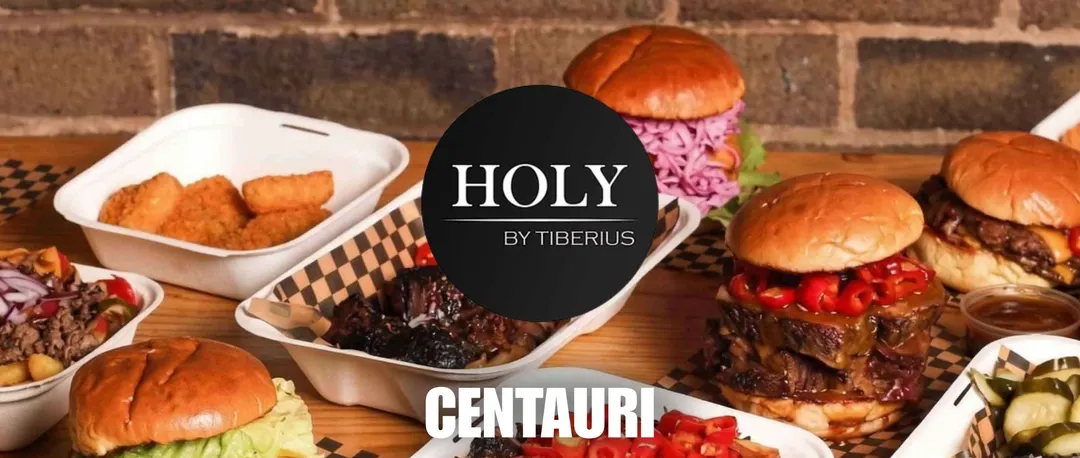
Centauri stepped in with a targeted content marketing approach. Instead of broad, generic posts, the strategy focused on high-quality, sensory-led visuals designed to maximise flavour perception and visual impact. The idea was simple: if you can’t get people to taste the food through the screen, you can at least make them want to. Every image and video was crafted to highlight key food moments — the smoke rising from a smoker, the perfect grill marks on a steak, the slow pour of sauce over a loaded burger.
The results spoke for themselves. Within months, Holy Smokes saw a measurable lift in both online engagement and, more importantly, actual foot traffic. The content didn’t just look good — it worked.
Content Marketing Metrics That Matter in 2026
For Food & Beverage brands, vanity metrics like likes and shares are secondary. What matters is conversion — does your content get people in the door, onto your website, or into your ordering system?
In 2026, the smartest brands are tracking a different set of KPIs. First, saved posts and share-of-voice on social platforms indicate that your content is being actively valued, not just passively scrolled past. Second, direct traffic from social media to your booking page or menu page is a stronger signal of intent than a general impression. Third, repeat engagement — how many users come back to your profile or content — shows that your brand is building a lasting connection, not just a fleeting transaction.
The Holy Smokes case demonstrates this shift. Rather than chasing viral content, the strategy was built around consistency and quality. Every piece of content served a purpose: to make the food look so good that viewers had no choice but to visit. And because the content was designed specifically for the platform (Instagram in this case), it felt native, not forced.
Practical Steps for Any Food Brand
You don’t need a massive budget or a Michelin star to win with content marketing. But you do need a plan. Here are three actionable strategies that any Food & Beverage brand can implement right now:
- Invest in your visual identity. Whether it’s a smartphone with a good camera or a professional shoot, your content needs to be consistent in lighting, colour, and tone. Customers judge your food quality by your content quality.
- Focus on moments, not meals. Instead of photographing a full plate, zoom in on the details — the steam, the crunch, the drizzle. These micro-moments are more shareable and more memorable.
- Post with purpose. Don’t just post because you feel you have to. Plan content that tells a story about your brand, your ingredients, or your community. Every post should reinforce why someone should choose you over the competition.
For brands that need help building this strategy from the ground up, working with a partner like Centauri can fast-track the process. Our marketing team understands the nuances of the Food & Beverage industry — from local SEO to sensory content creation — and has the track record to prove it.
The Bottom Line for 2026 and Beyond
Content marketing for Food & Beverage brands isn’t about being louder than your competitors. It’s about being more compelling. It’s about creating a visual and emotional experience that makes your brand unforgettable, even in the most crowded market.
The brands that will thrive in 2026 are the ones that stop treating content as an afterthought and start treating it as a core part of their customer experience. They’re the ones that invest in quality, focus on sensory storytelling, and measure what actually matters.
And if a Birmingham barbecue joint on a packed high street can do it, so can you.