Marketing
Hero, Hub and Help: The Content System Behind The Shawarma Shop
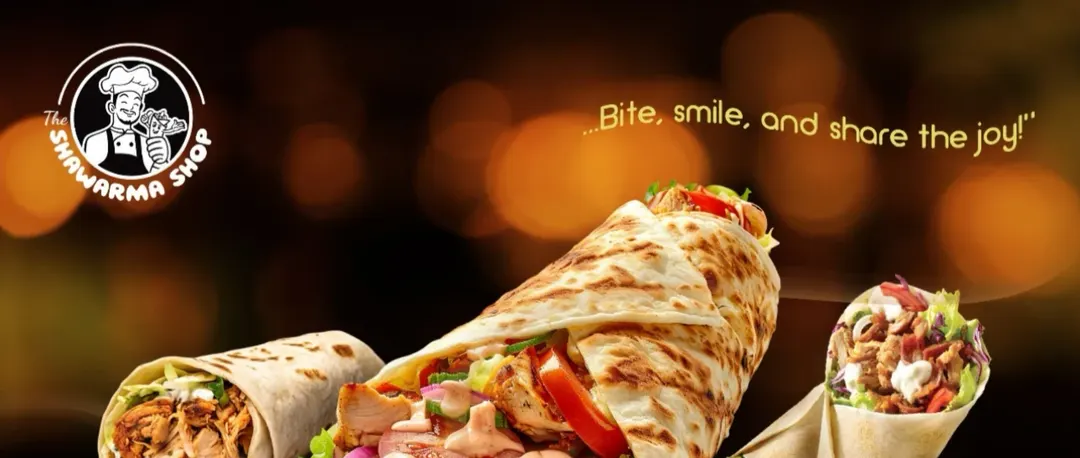
In a crowded takeaway market, sensory-driven video and strategic storytelling are turning casual viewers into loyal customers—and the numbers prove it.
The New Rulebook for F&B Content
If you run a Food & Beverage brand, you already know the stakes are higher than ever. By 2026, the average consumer scrolls past more than 300 pieces of content every single day. For restaurants, takeaways, and food producers, that means your next great meal isn’t just competing against the place down the street—it’s fighting for attention against recipe videos, influencer unboxings, and last night’s viral food hack.
But here’s the good news: the brands winning right now aren’t the ones with the biggest budgets. They’re the ones who understand that content marketing for food isn’t about telling people you’re good—it’s about making them feel hungry. Taste, smell, texture, crunch. That’s the real currency.
In 2026, the most effective content strategies for F&B brands share three common threads: they prioritise high-quality, sensory-rich visuals; they focus on authentic preparation moments; and they use consistent, platform-native storytelling to build trust over time. This isn’t about a single viral post—it’s about creating a library of content that makes your brand the first choice when cravings hit.
One brand that put this approach into practice with striking results is a regional shawarma chain that turned a saturated market into a stage for mouth-watering, performance-driven content.
How a Takeaway Brand Turned Views into Loyalty
Take The Shawarma Shop. Operating in a market where almost every corner offers a similar wrap, they were battling sameness. Great food, but a digital presence that didn’t match the quality of what left the kitchen. The challenge wasn’t the menu—it was making people stop scrolling long enough to see it.
Working with Centauri, they shifted their content marketing strategy from static menu shots to something far more compelling: sensory-led visuals that captured the theatre of food preparation. Slow-motion shots of sauce being drizzled, the sizzle of meat on a vertical spit, the satisfying tear of a warm pita. These aren’t just pretty clips—they’re neurological shortcuts that trigger appetite and emotional connection.
The results speak directly to what happens when you align content with how people actually decide what to eat. Over the course of the campaign, the brand achieved an additional 281,000 views and 10,000 likes. Those aren’t vanity metrics—they represent real engagement that builds brand recall and, eventually, footfall. Every view is someone who now associates that specific wrap with a genuine sensory experience, not just another menu item.
This case is a powerful microcosm of what any F&B brand can replicate: stop treating content as an afterthought and start treating it as your most accessible storefront.
Sensory Storytelling: The Secret Ingredient
Why do food videos outperform almost every other category on social platforms? Neuroscience. When we watch high-resolution footage of food being prepared, our brain’s mirror neurons fire almost as if we’re tasting it ourselves. That’s why a close-up of a knife slicing through a crusty loaf or a drizzle of glossy sauce can generate more desire than a polished hero shot.
The brands winning in 2026 lean hard into this. They invest in lighting, sound (think crunch, sizzle, pour), and movement. They show the process, not just the plate. This is especially critical for takeaway and fast-casual brands where the dining experience is off-premises—you need to transport the customer to the kitchen.
But sensory storytelling only works if it’s part of a consistent, strategic approach. One-off viral hits don’t build a lasting brand. The real win comes from building a content library that reinforces your core promise: freshness, flavour, authenticity. The Shawarma Shop’s 281K views didn’t come from a single magic post; they came from a series of well-crafted moments that gradually built an audience hungry for more.
Building a Content System, Not a Campaign
Too many F&B brands approach content marketing as a campaign: a burst of posts around a new menu item, then silence. That doesn’t work in 2026. Audiences expect a consistent presence that feels like a living, breathing extension of the restaurant.
The most effective approach is to think in terms of a content system:
- Hero content: High-production videos for paid social and website (e.g., the slow-motion wrap assembly).
- Hub content: Regular, lower-friction posts for organic feeds (e.g., daily specials, prep shots, team moments).
- Help content: Practical, shareable pieces (e.g., “how to customise your order,” “what goes into our signature sauce”).
Each piece should be designed for its platform—vertical for TikTok and Reels, square for Instagram, longer edits for YouTube Shorts. And every piece should drive toward a single goal: making the next meal decision easier for the viewer.
For brands that want to build this system without reinventing the wheel, Centauri’s Marketing services (opens in a new tab) offer a structured framework that combines strategy, production, and distribution—exactly what The Shawarma Shop used to achieve its results.
The Metrics That Actually Matter in F&B Content
Not all content metrics are created equal, especially for local and regional food brands. Vanity metrics like raw follower count are useful for ego, but they don’t pay the bills. Instead, successful F&B brands in 2026 track:
- View-through rate – Are people actually watching the whole video? A high rate signals that the sensory hook is working.
- Engagement rate – Likes, comments, shares. This tells you if the content sparked an action, not just passive consumption.
- Saves – A powerful indicator of intent to purchase. People save food content they plan to try later.
- Direct attribution – Use promo codes or “order from the link in bio” tracking to tie content directly to sales.
The Shawarma Shop’s data—281K views and 10K likes—is a strong signal that the content resonated deeply enough to trigger interaction. When those numbers are combined with a smart call-to-action (e.g., “Order now and mention this post for a free side”), engagement directly converts to revenue.
Why Authenticity Trumps Polish in 2026
There’s a common misconception that food content needs to look like a cooking show. In reality, some of the highest-performing food content in 2026 is wonderfully unpolished. A chef’s hand tearing parsley, the steam rising from a fresh batch of rice, the sound of a deep fryer bubbling—these are the moments that feel real and trust-building.
The Shawarma Shop’s content didn’t aim for commercial perfection. It aimed for appetite. It showed the messiness and the craft of real cooking. That’s the kind of authenticity that works best on platforms like TikTok and Instagram Reels, where users value behind-the-scenes reality over glossy studio shots.
The takeaway? Don’t wait for the perfect lighting. Start with your phone, your fry station, and your best-smelling dish. The audience will reward you for letting them in on the process.
A Roadmap for Any F&B Brand
If you’re a restaurant owner, takeaway operator, or food brand manager, you don’t need a massive department to apply these lessons. Start with three steps:
- Audit your current content: Is it static menu shots? Replace them with 15-second videos of food being prepared.
- Pick one core sensory moment: The pour, the sizzle, the slice. Film it in good lighting with clear sound. Post it consistently three times a week.
- Track what works: Use platform analytics to see which videos get the most saves and shares. Double down on that style.
It’s a clear example of how the right content, done with consistency and sensory intent, can cut through a saturated market.
The Bottom Line for 2026
The F&B brands that win with content marketing in 2026 are the ones that stop broadcasting and start connecting. They use video not to advertise, but to transport. They build libraries of mouth-watering moments that make viewers feel like they’re already at the table. And they measure success not by follower count, but by how many people are compelled to take the next step—whether that’s a visit, an order, or a share.
The Shawarma Shop’s 281K views and 10K likes are proof that hunger-driven content works. The question isn’t whether you should invest in content marketing—it’s how quickly you can start making your audience hungry enough to act.