Marketing
Local-First Content: How Wall Street Burger Added 380K Views
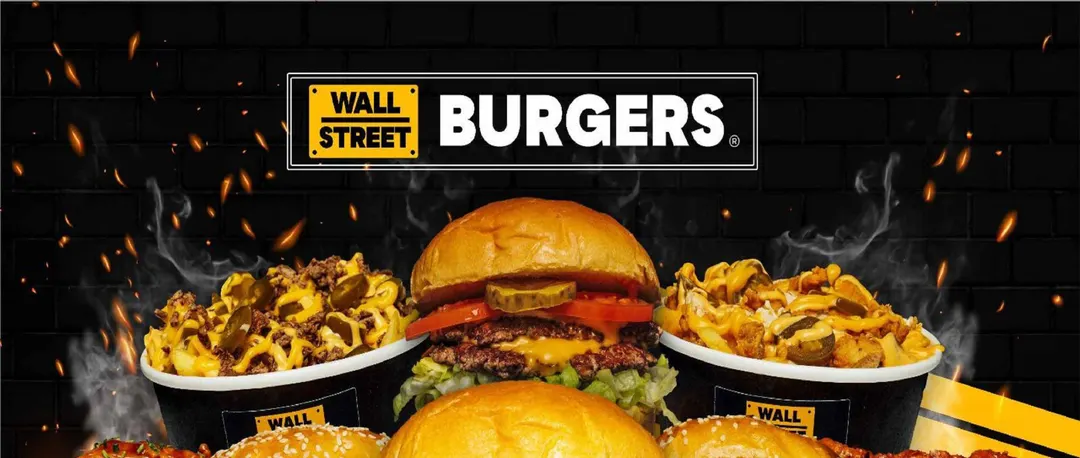
In 2026, content marketing is the secret sauce for Food & Beverage brands looking to stand out locally and digitally—and the case of Wall Street Burger shows exactly how sensory-rich visuals drive measurable engagement.
Food & Beverage (F&B) marketing has never been more competitive. With local and global brands fighting for attention on crowded feeds, a generic product shot or a tired “we’re the best” claim simply won’t cut it. In 2026, the brands that win are those that treat content as a sensory experience—something that makes people feel the crunch, smell the aroma, and taste the quality before they ever step through the door. This isn't just about hiring a social media manager; it's about a strategic, data-informed approach to storytelling that aligns with how modern audiences consume information: quickly, emotionally, and on their own terms.
The New Rules of F&B Content: Sensory Storytelling and Local Relevance
For years, content marketing in the food industry leaned heavily on recipe videos, influencer partnerships, and the occasional behind-the-scenes look. Those tactics still have a place, but the bar has risen. Today, successful F&B content must solve a core problem: how do you make your product irresistible when someone is scrolling past in less than three seconds?
The answer lies in sensory-driven visuals and hyper-local authenticity. Brands need to stop selling ingredients and start selling moments. A burger isn't just beef and bread—it's the satisfaction of the first bite, the messy joy of dripping sauce, the warmth of a shared meal. The best content in 2026 captures that feeling with high-production photography and video that feels editorial, not ad-like. For local chains especially, this means shooting in natural light, using real customers (or real-looking models), and leaning into the neighbourhood’s vibe. When content feels rooted in a place, it earns trust.
Wall Street Burger faced this exact challenge. Operating in a saturated fast-food market, the brand knew its product was top-notch, but it struggled to cut through local noise and build a digital presence that matched its quality. That’s where a refined content strategy made all the difference. By prioritising high-quality, sensory-driven visuals that instantly communicated product appeal, and introducing a cleaner, more impactful visual style focused on the product itself, the brand saw a dramatic shift in engagement. The approach was simple: don’t tell people the burger is good—show them so vividly that they can almost taste it.
From Views to Value: How a Content Refresh Delivered +380K Views
Data doesn’t lie. When Centauri partnered with Wall Street Burger, the goal wasn’t just to create “nice content”—it was to drive measurable reach and ultimately foot traffic. In 2026, effective content marketing for F&B is deeply tied to performance metrics: view counts, time spent, click-through rates, and, of course, conversions. The results of the engagement speak for themselves. After deploying a strategy centred around sensory-rich imagery and streamlined messaging, the brand generated over 380,000 views on its content—a clear indicator that the right visual approach can break through the noise.
This kind of lift doesn’t happen by accident. It comes from understanding platform algorithms and user psychology. On Instagram and TikTok, content that stops the scroll is content that triggers an emotional or sensory response: the sizzle of a patty, the slow pour of cheese, the vibrant colours of fresh produce. But it’s not just about spectacle. Consistency in quality and branding builds recognition. Wall Street Burger’s cleaner visual style gave its content a distinct identity that stood out in a crowded feed, making it easy for new customers to associate that look with a positive experience.
For any F&B brand looking to replicate this success, the lesson is clear: invest in content that feels tangible. That might mean hiring a food stylist, upgrading your photography equipment, or working with a content marketing agency that understands the nuances of sensory storytelling. The payoff isn’t just likes—it’s real-world impact. When content resonates, it drives people to visit, order, and share their own experiences, creating a virtuous cycle of earned media.
Why 2026 Is the Year of the “Local First” Content Strategy
While global F&B giants have massive budgets for national campaigns, local and regional brands have an advantage: proximity. In 2026, consumers crave authenticity and community connection more than ever. They want to support businesses that feel like part of the neighbourhood, not faceless corporations. That’s why a “local first” content strategy is so powerful. It’s not about reaching millions; it’s about reaching the right thousands.
Wall Street Burger’s success wasn’t just about generic food photos; it was about content that felt local. By focusing on the product in its own space—perhaps with subtle nods to the store’s atmosphere, staff, or regulars—the content built a sense of place. This approach fosters loyalty. When a customer sees a brand that consistently posts high-quality, locally relevant content, they’re more likely to choose it over a competitor that posts sporadic, low-effort images.
To execute this well, brands need to think like publishers. Create a content calendar built around local events, seasonal ingredients, and customer stories. Use vehicle-specific angles for drive-thru or takeaway promotions. And crucially, track what works. Data from the Wall Street Burger case shows that sensory-driven visuals outperform bland product shots by a wide margin. In fact, the +380K views generated by the content refresh almost certainly translated into increased store visits and repeat orders, even if those numbers aren’t explicitly captured here.
How to Build a Scalable Content Marketing Engine for F&B
Content marketing isn’t a one-off project; it’s an ongoing commitment. To sustain results through 2026 and beyond, F&B brands need a scalable system. This means establishing clear brand guidelines for visual style, creating repeatable production workflows, and regularly testing new formats—from short-form video to carousel posts to user-generated content campaigns.
One key trend is the integration of content marketing with broader marketing efforts. Rather than treating social media as a separate channel, winning brands connect their content strategy to their website, email marketing, and even in-store signage. A beautiful burger photo that lives on Instagram should also appear on the menu page of the brand’s website, in a monthly newsletter, and possibly on a digital menu board. Consistency amplifies impact.
For brands that don’t have internal creative resources, partnering with an experienced agency can be a game-changer. Centauri’s marketing services (opens in a new tab) are designed to help F&B businesses craft content that truly represents their product and personality. Whether it’s a complete brand refresh or a targeted campaign for a new menu item, the focus is always on measurable outcomes—like the +380K views achieved for Wall Street Burger. The case study (available here) offers a deeper look at how sensory-driven content can transform a local brand’s digital presence.
The Bottom Line for F&B Marketers
Content marketing in 2026 is not optional for F&B brands; it’s the primary way to build awareness and trust in a crowded market. The brands that win are those that treat every image, every video, and every caption as an invitation to taste, feel, and experience what they offer. By focusing on sensory storytelling, local relevance, and consistent quality, even a single-location burger joint can achieve extraordinary reach.
The data is clear: high-production, sensory-driven visuals can generate hundreds of thousands of views and shift brand perception almost overnight. The Wall Street Burger example proves that with the right strategy, a local favourite can compete with national chains for attention—and win. So, as you plan your 2026 content roadmap, ask yourself: does your content make people hungry? If not, it’s time to rethink your approach.