Marketing
From Flame to Feed: How Shimla Kebab & Grill Earned 75,000 Views
In a crowded digital landscape, Food & Beverage brands that invest in sensory-driven, platform-native content are outperforming competitors — and the results speak for themselves.
Why Content Marketing Remains the King of Food Branding in 2026
Let’s be honest: the average consumer scrolls past hundreds of food posts every week. A glossy burger shot? Seen it. A slow-motion pour? Nice, but not enough. In 2026, the Food & Beverage sector has entered a new phase of content marketing where attention is the scarce ingredient, and only brands that deliver genuine, visceral experiences earn the scroll-stopper.
Content marketing for F&B isn’t just about showing what’s on the plate anymore. It’s about telling the story behind the sizzle. It’s about texture, sound, and the emotional connection people have with food. And the numbers prove it: brands that lean into high-quality, platform-native content see engagement rates that traditional advertising can only dream of.
But what does “winning” actually look like in 2026? It’s not about viral dances or throwaway challenges. It’s about consistent, structured storytelling that builds trust and crave. The brands that get this right are the ones that treat content not as an afterthought, but as a core business driver.
The Shift: From Product Shots to Sensory Experiences
Visuals have always been part of food marketing, but in 2026 the bar is higher. Static imagery alone is no longer enough. Consumers want to feel the crunch, imagine the aroma, and hear the grill. This is where smart content strategies pivot from “look at this food” to “experience this food through your screen.”
The most effective F&B content marketing now flows through a sensory-first lens. That means:
- Close-up macro shots that emphasise texture (golden crusts, glossy sauces, char lines).
- Short-form video that captures key cooking moments: the flip, the sizzle, the pour.
- Sound design that amplifies the auditory appeal — crackling skin, bubbling gravy, chopping sounds.
- Behind-the-scenes authenticity — showing real cooks, real kitchens, real passion.
This approach works because it triggers the brain’s reward system. When people see flame on meat or hear a satisfying crunch, their mouths water. That’s not hype — it’s biology.
Proving the Model: What Happens When Strategy Meets Execution
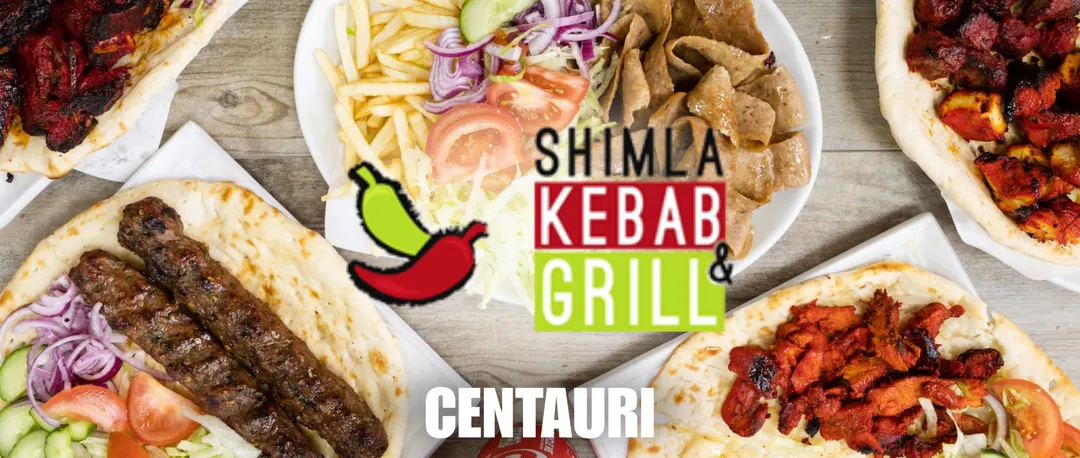
One brand that demonstrates this perfectly is Shimla Kebab & Grill. A flavour-driven takeaway concept known for bold grilled meats and hearty South Asian dishes, they faced a common challenge: how do you translate “bold taste and strong portion appeal” into a digital experience that stops the scroll?
Centauri partnered with the brand to deploy a refined content strategy built around high-quality, sensory-led visuals. The focus wasn’t on generic food shots — every piece of content was designed to highlight the grilling process, the texture of the meat, and the generous portions. The creative direction zeroed in on “food moments”: the flame kiss on a skewer, the steam rising from a plate of curry, the visual promise of a substantial meal.
The results speak in numbers that any marketer would respect: over 75,000 views and 5,500 likes across the campaign. That’s not accidental; it’s the outcome of a content marketing approach that treats each frame as a chance to build appetite and trust.
Structuring a Winning Content Marketing Strategy for F&B Brands
What can other Food & Beverage brands learn from this? A winning content strategy in 2026 is not about randomness. It’s a repeatable framework built on these pillars:
1. Define Your Visual Identity Around Core Strengths
If your brand is about freshness, make every shot crisp and vibrant. If it’s about indulgence, lean into richness, colour contrast, and generous plating. Define two or three “hero angles” (e.g., preparation, finished dish, customer reaction) and stick to them consistently.
2. Optimise for Platform Algorithms Without Losing Soul
Each platform rewards different formats. Instagram and TikTok love vertical video with strong hooks. Pinterest favours beautiful static recipe shots. YouTube Shorts and Reels demand quick cuts. But the soul of your content — the story of your food — must remain intact. Don’t let algorithmic pressure water down your brand’s flavour.
3. Leverage User-Generated Content as Social Proof
Encourage customers to share their own photos and videos. Repost them (with permission) to build community and authenticity. Nothing sells food better than a real person enjoying it.
4. Track Engagement Beyond Vanity Metrics
Likes and views are important, but measure what matters: saves, shares, comment sentiment, and click-throughs to menu pages. A high save rate indicates that people value your content enough to return to it — a strong sign of content effectiveness.
5. Repurpose, Don’t Recycle
One piece of content — say, a chef plating a signature dish — can become: a 15-second Reel, a static post with a recipe link, a behind-the-scenes story, a Pinterest pin, and a TikTok sound trend. The key is to adapt the same raw footage for different contexts without making it feel like a clone.
Why Authenticity Outperforms Polish
In 2026, consumers have an incredibly refined BS detector when it comes to food content. Over-produced, plastic-looking dishes turn people off. They want to see the char, the slight imperfection, the real kitchen chaos. That’s why behind-the-scenes content — messy and real — often outperforms glossy shoots.
The winning F&B brands are the ones that show their human side: the cook wiping sweat, the owner tasting a sauce, the late-night prep. This builds an emotional connection that no staged photo can replicate. And it builds trust — because if you’re willing to show the process, you’re likely proud of the product.
Practical Steps to Implement Content Marketing in 2026
If you’re a F&B brand looking to level up, start with these actionable steps:
- Audit your current content. Does it evoke a sensory response? If not, redesign your shot list.
- Invest in basic gear. You don’t need a cinema camera — a modern smartphone with a gimbal and a clip-on macro lens can do the job.
- Create a content calendar around food moments. Plan shoots around seasonal ingredients, specials, and high-traffic periods.
- Collaborate with micro-influencers who have genuine followings in the food space. Their endorsement carries weight.
- Measure and iterate. Check which content types drive the highest engagement and double down on them.
The Bottom Line
Food & Beverage content marketing in 2026 is less about shouting “look at me” and more about whispering “can you almost taste this?” It’s about creating a bridge between the screen and the senses. The brands that win are the ones that treat every video, every photo, every caption as a chance to make someone’s mouth water — and then trust that the craving will do the rest.
If you need help shaping a content strategy that delivers real results, Centauri’s Marketing services (opens in a new tab) are built to help F&B brands do exactly that — combining strategic thinking with creative execution that converts views into orders.