Marketing
Crunch, Glaze and Heat: How Hotville Sells Fried Chicken Through a Screen
In a crowded market, the brands that win are the ones that make people stop, stare, and salivate—here’s how sensory-led content is rewriting the rules for Food & Beverage in 2026.
The New Rules: Why Content Marketing is the Secret Ingredient
Ask any marketer in the Food & Beverage space what keeps them up at night, and the answer is almost always the same: cut-through. With thousands of new products launching every year and social feeds saturated with glossy food pics, it’s no longer enough to just show a burger on a plate. The brands that thrive are the ones that tell a story so vivid you can almost taste it.
Content marketing in 2026 isn’t about churning out blog posts or Instagram Stories on autopilot. It’s about building a sensory bridge between the screen and the table. The best campaigns don’t just sell food—they sell a feeling, a memory, a craving. And for Food & Beverage brands, that emotional connection is the difference between a one-time buyer and a loyal fan.
The Sensory Shift: Why Visuals Are More Important Than Ever
We’ve all seen it: a perfectly styled flat lay that gets thousands of likes but zero conversions. The problem is that static, polished imagery has become wallpaper. Consumers have developed a kind of visual immunity. To break through, brands need to lean into the sensory—the crackle of a fried chicken crust, the slow drip of a sauce, the steam rising off a fresh plate.
That’s where Centauri’s Marketing (opens in a new tab) expertise comes into play. For Food & Beverage brands, the sweet spot is high-quality, sensory-led content that captures texture, temperature, and flavour intensity. Think close-ups of golden batter, slow-motion pours, and sound design that triggers an almost Pavlovian response. When done right, this kind of content doesn’t just get scrolled past—it stops the thumb in its tracks.
Hotville: A Case Study in Bold Flavour
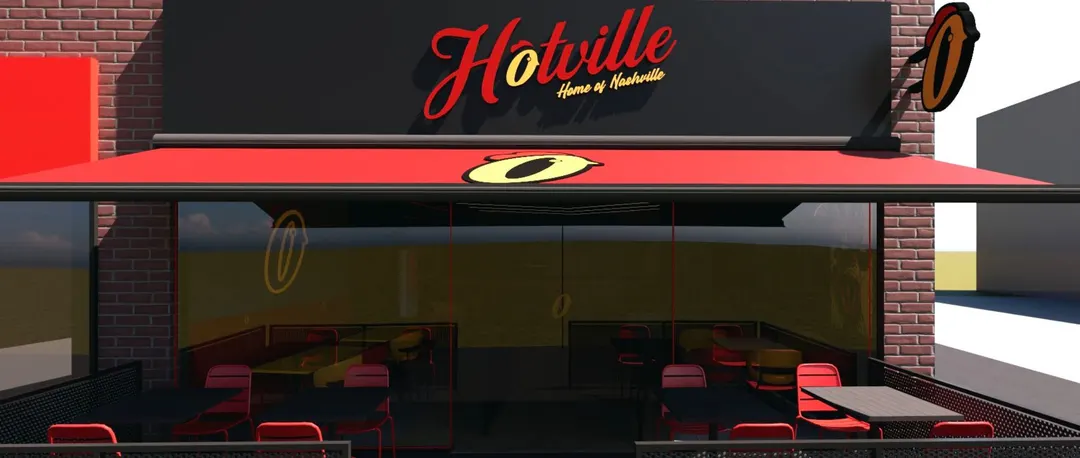
Consider Hotville, a bold, flavour-driven street food brand specialising in heat-packed fried chicken and indulgent comfort food. Based in Birmingham’s fast-paced food culture, Hotville needed to stand out in a market where every other brand is shouting about being “the best”. The challenge was clear: how do you convey the intensity of a spice blend or the crunch of a perfectly fried piece of chicken through a screen?
Centauri partnered with Hotville to deploy a refined content strategy centred around exactly that kind of sensory-led visuals. Instead of standard product shots, the team focused on key food moments—crispy textures, sauce glazes, and the colour contrast of fresh ingredients. The result? A content library that immediately communicated flavour intensity and made customers feel like they were already biting into the food.
From Scrolling to Ordering: The Psychology of Food Content
Why does sensory-led content work so well? It taps into our brain’s reward system. When we see a close-up of a sauce dripping, our mirror neurons fire as if we’re experiencing the action ourselves. For Food & Beverage brands, this is pure gold. The goal is to create a “vicarious experience” that triggers a craving strong enough to make the viewer take action—whether that’s heading to a restaurant, placing a delivery order, or saving the post for later.
In 2026, the most successful brands are the ones that treat their content like a menu. Every post should answer a simple question: “What does this taste like?” The best answer comes from texture, colour, and context, not written descriptions. A video of a fried chicken break is worth a thousand words of “crispy, juicy, and flavour-packed”.
The Platform Puzzle: Where to Showcase Your Content
No single platform works for every brand. For Food & Beverage, the current landscape breaks down into three key channels:
- Instagram and TikTok: Short-form video is king. Reels that show the process—dredging, frying, plating—perform better than static shots. Sound is critical; the sizzle of oil or the crunch of a bite should be front and centre.
- YouTube: Long-form content like recipe tutorials, behind-the-scenes kitchen tours, or “day in the life” stories build deeper brand affinity. Perfect for brands that want to tell a bigger story.
- Owned media (website and email): This is where you convert. A blog that explains the origin of your spices or a newsletter that previews a new menu item keeps your audience engaged outside the algorithm-driven feeds.
Centauri’s approach helps brands identify the right mix for their unique audience, avoiding the trap of spreading too thin across too many platforms.
Measuring What Matters: Beyond Likes and Shares
One of the biggest mistakes Food & Beverage brands make is counting vanity metrics. A viral video is great, but if it doesn’t drive foot traffic or online orders, it’s just noise. The winning content marketing strategy in 2026 focuses on metrics that tie directly to business outcomes:
- Engagement rate per post (not just total likes)
- Click-through rate to menu pages or order links
- Store visits (using location tags and promo codes)
- Repeat purchase rate among customers who engaged with content
Centauri’s framework helps brands set up these measurements from day one, so every content piece earns its place in the budget.
The Future: What’s Next for F&B Content Marketing
As we move further into 2026, a few trends are already shaping the landscape:
- User-generated content (UGC) will dominate. Customers trust other customers more than brands. Encouraging diners to share their own sensory shots can amplify reach authentically.
- Personalisation at scale. AI tools will allow brands to serve different visuals to different segments—spicy lovers see the hottest dish, comfort seekers see the mac and cheese.
- Sustainability storytelling. Modern consumers want to know where their food comes from. Content that highlights local sourcing, waste reduction, and ethical practices builds trust.
For Food & Beverage brands, the window to get ahead is now. The brands that invest in intentional, sensory-led content marketing won’t just survive the noise—they’ll become the noise everyone else is trying to imitate.
One Brand, One Strategy: How Centauri Makes It Work
Every Food & Beverage brand is different, but the principles are the same. Centauri’s Marketing (opens in a new tab) services combine data-driven strategy with creative execution, helping brands like Hotville turn their product into a sensory experience that drives real results. The proof is in the plates—and the numbers.
If you’re ready to stop blending in and start breaking through, the first step is rethinking how you show up on screen. Because in 2026, content isn’t just marketing. It’s the main course.