Marketing
Social Proof at Scale: How Vivace Earned 11,000 Shares in Birmingham
In a crowded market where every restaurant is competing for attention, content marketing has become the secret ingredient for Food & Beverage brands to stand out and drive real results.
The New Rules of Engagement for Food & Beverage Brands
The Food & Beverage industry has always been about sensory experiences—the aroma of freshly baked bread, the sizzle of a steak on a grill, the visual appeal of a beautifully plated dish. But in 2026, these sensory triggers must extend far beyond the dining room. With consumers spending more time online than ever before, Food & Beverage brands are discovering that traditional advertising alone isn't enough to capture attention, build loyalty, or drive foot traffic.
Content marketing has emerged as the dominant strategy for brands that want to tell their story, showcase their unique atmosphere, and connect with customers on a deeper level. Unlike interruptive ads, content marketing invites the audience into the brand's world, creating an emotional connection that translates into real-world visits and repeat business.
The key shift in 2026 is authenticity. Today's consumers can spot a staged photo or a generic promotional post from a mile away. They crave genuine, visually compelling stories that reflect the true personality of a brand. This is where content marketing truly shines—by focusing on the unique aspects of a business that no competitor can replicate.
Why Visual Storytelling Is Non-Negotiable
One of the most powerful tools in the Food & Beverage content marketing arsenal is visual storytelling. High-quality imagery and video content have become the primary drivers of engagement across social media platforms, from Instagram and TikTok to emerging visual-first networks. For restaurants and cafes, the visual story isn't just about the food—it's about the entire experience: the ambiance, the lighting, the service, and the community feel.
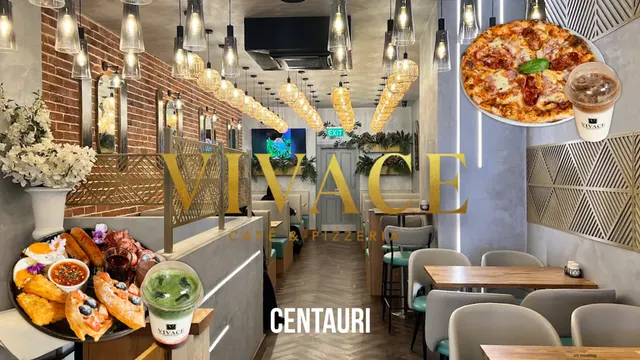
Consider the approach taken by Vivace Cafe & Pizzeria, a premium dining destination in Birmingham. The brand faced a common challenge: how to stand out in a competitive local market and attract customers who might overlook a hidden gem. Rather than relying on standard menu photos, the strategy involved cinematic content that highlighted the stunning interior and positioned the venue as a hidden sanctuary. This visual contrast approach—showing a space that defied local geography—turned the restaurant into a destination worth discovering.
The results speak for themselves. Through a focused content marketing campaign, Vivace Cafe & Pizzeria generated over 1.1 million impressions, 32,000 likes, and 11,000 shares across its social channels. These numbers aren't vanity metrics; they represent real people who were exposed to the brand, engaged with its story, and shared it with their networks. For any Food & Beverage brand, these are the kind of results that directly translate into increased awareness, customer visits, and revenue growth.
Building a Content Marketing Strategy That Works
So how can Food & Beverage brands replicate this success? The first step is understanding that content marketing is not a one-size-fits-all solution. Every brand has a unique story to tell, and the most effective campaigns are those that lean into that uniqueness.
Start by identifying your brand's distinct personality. Are you a cozy neighbourhood cafe that feels like a second home? A high-end restaurant with world-class cuisine? A vibrant pizzeria with a lively atmosphere? Your content should reflect these qualities consistently across every channel.
Next, invest in high-quality visual assets. In an era where smartphone cameras are ubiquitous, the bar for what constitutes "good" content has risen dramatically. Professional photography and videography can make the difference between a post that gets scrolled past and one that stops a user in their tracks. This was a cornerstone of the Vivace campaign, where polished, cinematic content elevated the brand's perception and made it irresistible to share.
Finally, align your content with your target audience's preferences. For Vivace, this meant pairing stunning visuals with student-centric messaging—understanding that the local demographic valued both aesthetic appeal and accessibility. By tailoring the content to the audience, the brand ensured that its message resonated deeply and drove engagement.
The Role of Social Proof in Driving Conversions
One of the most powerful aspects of content marketing for Food & Beverage brands is its ability to generate social proof. When potential customers see real people enjoying a meal in a beautiful setting, they are far more likely to want to experience it themselves. Comments, shares, and user-generated content act as digital word-of-mouth, building trust and credibility without the brand having to say a word.
In the Vivace campaign, the 858 comments received represent not just engagement, but conversations. Each comment is an opportunity for the brand to interact, answer questions, and build relationships. This level of interaction is invaluable for creating a loyal customer base that will return again and again.
Brands that ignore social proof miss out on one of the most cost-effective marketing channels available. Encouraging customers to share their own photos, tagging the brand, and offering incentives for user-generated content can amplify reach exponentially. When combined with a strong owned content strategy, social proof creates a virtuous cycle of visibility and credibility.
Measuring What Matters in Content Marketing
One of the biggest mistakes Food & Beverage brands make is focusing on vanity metrics without understanding how they connect to business outcomes. While likes and impressions are important indicators of reach, they must be paired with deeper metrics like engagement rate, shareability, and conversion tracking.
For instance, the 11,000 shares generated in the Vivace campaign are far more valuable than simple likes because they represent active endorsement. Every share extends the brand's reach to a new audience, effectively turning customers into brand ambassadors. Similarly, the 32,000 likes signal strong emotional resonance—people didn't just see the content; they felt compelled to react positively.
As we move through 2026, the brands that succeed will be those that not only create great content but also measure its impact intelligently. Tracking attribution from social media to website visits, reservations, or online orders will become increasingly important. Tools like unique promo codes, UTM parameters, and dedicated landing pages can help bridge the gap between content consumption and purchase behaviour.
The Future of Food & Beverage Content Marketing
Looking ahead, the trend toward immersive, experience-driven content will only accelerate. Video content, particularly short-form video, will continue to dominate as platforms like TikTok and Instagram Reels become the primary discovery channels for dining destinations. Behind-the-scenes content, chef interviews, and customer testimonials will all play a role in building authentic connections.
Emerging technologies like augmented reality (AR) could also transform how Food & Beverage brands market themselves. Imagine a potential customer being able to point their phone at a street and see a virtual tour of a restaurant's interior, or view a 3D animation of a dish before booking a table. While still early, these innovations represent the next frontier for content marketing in the industry.
But regardless of the technology, the core principle remains the same: great content marketing is about telling a compelling story that resonates with the audience. Whether through a cinematic video, a beautifully written blog post, or a series of mouthwatering photos, the goal is to create an emotional connection that drives action.
Practical Steps to Get Started
For Food & Beverage brands ready to invest in content marketing, the path forward is clear. Begin by auditing your current content and identifying gaps in your storytelling. Are you showcasing your atmosphere, your team, your community involvement? If not, start there.
Invest in professional content creation, whether through an agency like Centauri or by hiring skilled freelancers. Remember that quality matters more than quantity—a single stunning video can outperform dozens of mediocre posts.
Finally, be consistent. Content marketing is a long-term strategy that requires patience and persistence. The brands that see the biggest returns are those that commit to regular, high-quality content creation and engagement with their audience.
The Food & Beverage industry is more competitive than ever, but for brands that embrace the power of content marketing, the opportunities are immense. By telling their unique story, leveraging visual storytelling, and building genuine connections with their audience, any restaurant, cafe, or pizzeria can win in 2026.
To see how Centauri helped transform a local dining destination through content marketing, explore the full Vivace Cafe & Pizzeria case study. And for more on how we approach this discipline, visit our Marketing services page (opens in a new tab).
Want the full story? Read our case study with Vivace Cafe & Pizzeria.