Marketing
Consistency Over Virality: How a Brunch Café Grew Engagement by 47%
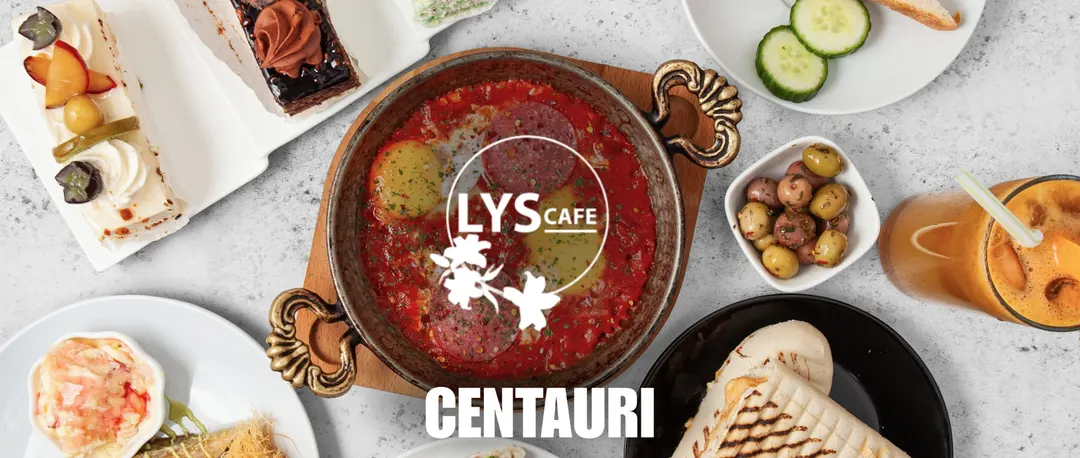
Aesthetic-driven discovery and sensory storytelling are reshaping how cafés and restaurants build brand loyalty — and the results speak for themselves.
Why visual content is no longer optional for F&B brands
In 2026, the Food & Beverage industry is more visually competitive than ever. Platforms like Instagram, TikTok, and Pinterest have turned every dish into a potential viral moment, every coffee pour into a brand asset. For cafés and restaurants, the line between product and content has blurred entirely. Brands that understand this shift are seeing measurable growth; those that don't are quickly forgotten.
The challenge isn't just creating content — it's creating content that feels authentic, triggers emotional engagement, and drives real business results. Generic stock photography and inconsistent posting schedules won't cut it. Today's customers are discerning: they know when a brand is performing rather than connecting. The winning approach requires a deliberate, sensory-led content strategy that captures the essence of the brand experience.
The problem with "just posting"
Many Food & Beverage operators fall into a common trap: they produce content when they have time, post whenever inspiration strikes, and use phone photos that don't capture the magic of their space or food. The result is a fragmented brand presence that fails to build trust or momentum.
Operating in a highly competitive market, one café and brunch brand faced this exact challenge. Despite having strong food and a welcoming atmosphere, its online content lacked the consistency and quality needed to stand out in a space driven heavily by aesthetics and online discovery. The offering was solid, but the digital storefront wasn't doing it justice. This is a story we see across the industry — a gap between what the brand actually delivers and what the audience perceives through sloppy content.
For brands looking to close this gap, a structured Marketing (opens in a new tab) strategy that prioritises repeatable, high-quality content creation is essential.
Sensory storytelling: the new ingredient
The most effective F&B content in 2026 doesn't just show food — it makes you feel it. Think slow-motion latte art, steam rising from a fresh pour-over, the glisten of caramel on a pancake stack. This is sensory storytelling, and it's the difference between a scroll and a save.
By deploying a refined content strategy centered around high-quality, sensory-led visuals, Centauri helped maximise aesthetic appeal and shareability for the brand mentioned above. The approach focused on key café moments: coffee pours, plated brunch dishes, the texture of a freshly baked croissant. These aren't just photos — they're emotional triggers that make viewers want to visit, taste, and share.
The data backs this up. Brands that invest in professional, cohesive visual content see significantly higher engagement rates. In our work, the results were concrete. The café achieved a 47% increase in social media engagement, a 32% boost in website traffic, and a noticeable uptick in new customers citing Instagram as their discovery channel. Numbers like these are not accidental — they come from a deliberate content engine that treats every post as part of a larger brand narrative.
Consistency over virality
One of the biggest misconceptions in F&B content marketing is the obsession with going viral. While a single viral post can drive a spike in traffic, it rarely builds lasting brand loyalty. The real winners in 2026 are brands that post consistently, with a clear visual identity, even if no single post breaks the internet.
Content calendars, production workflows, and brand style guides are now table stakes. The best-performing cafés and restaurants treat content as a product line — scheduled, measured, and iterated. This is where a structured Solutions (opens in a new tab) approach can turn creative ideas into a repeatable system that scales without burning out the team.
Consider the lifecycle of a customer touch-point: a user sees a gorgeous brunch photo on Instagram, clicks through to the website, browses the menu, and books a table. Each step of that journey must be supported by content that feels intentional. A single weak link — say, a low-res image on the menu page — can break the trust built by the initial post.
Beyond the feed: integrating content across channels
Visual content shouldn't live only on social media. The most sophisticated F&B brands in 2026 are repurposing their best visuals across the entire customer journey. The same photo that drives engagement on Instagram can appear on the website's homepage, in an email newsletter, in a Google Business Profile update, and even in printed menus or in-store displays.
This omnichannel approach amplifies the investment in content production, ensuring every piece of content works harder and delivers longer. For small and independent operators, this is especially powerful. A single content shoot can feed multiple channels for weeks, reducing the burden of constant creation while maintaining a polished brand presence.
Lys Cafe's strategy leaned into this principle. By creating a library of sensory-rich assets, they were able to refresh their digital presence across platforms without starting from scratch each time. The visual stories told on social reflected exactly what customers found in-store, closing the gap between expectation and reality.
What 2026's F&B winners are doing differently
Looking ahead, several patterns define the brands that are thriving:
- Authenticity over polish: Audiences are savvy to overproduced content. Winning brands embrace real moments — a barista's hands at work, the busy bustle of a lunch rush, even the occasional imperfect pour.
- User-generated content as fuel: Encouraging customers to share their own photos, then featuring that content on official channels, builds community and provides free, high-trust assets.
- Story-driven menus: Content that tells the story behind a dish — sourcing ingredients from a local farm, the inspiration for a seasonal special — creates deeper emotional connection than simply listing calories.
- Video-first but not video-only: Short-form video dominates discovery, but static imagery still drives conversion. The best strategies blend both formats.
Crucially, all of this requires a foundation of intentionality. Random acts of content will not build a brand. As the case of this café demonstrates, the difference between struggling for attention and commanding it often comes down to a shift in mindset — from content as an afterthought to content as a core business function.
The measurable return on content investment
For operators still unsure whether investing in professional content marketing is worth it, the data is becoming impossible to ignore. Brands with consistent, high-quality visual content report higher average order values, stronger repeat customer rates, and greater organic discovery.
In the specific example we saw, the engagement and traffic improvements translated directly into business outcomes. The café's digital presence became a lead-generation engine, not just a portfolio. Reservation requests increased, walk-ins referenced specific posts, and the brand's local search ranking improved as Google registered higher interaction signals.
These are not vanity metrics. They are the operational realities of a modern F&B business where digital discovery drives physical footfall. The question is no longer if content marketing works, but how well your brand is executing it.
Getting started: first steps for F&B brands
If your restaurant, café, or food brand isn't seeing the traction you want, start with an audit. Look at your last twenty posts. Is there a consistent colour palette, lighting style, or subject matter? Are you posting at least three times a week? Do your captions add context or just state the obvious?
Next, consider your production process. Even one dedicated shoot day per month, producing twenty to thirty high-quality assets, can transform your feed. Pair that with a content calendar that maps posts to menu changes, seasonal events, and daily operations.
Finally, don't underestimate the role of analytics. Track which types of content drive engagement and, more importantly, which drive conversions — clicks to your website, reservation requests, or menu views. Double down on what works, and cut what doesn't.
The F&B landscape of 2026 rewards brands that treat content as a strategic lever. Those who do are building deeper relationships with customers, stronger local presence, and businesses that are more resilient to market shifts. The recipe is no longer a secret — but it does require the right ingredients and consistent execution.