Marketing
Full-Funnel Food Content: From Scroll-Stopping Clips to In-Store QR Codes
In an oversaturated market, sensory-rich content strategy is the difference between being seen and being forgotten — and the data proves it.
The new battleground for Food & Beverage brands
Food & Beverage brands have always competed on taste, price, and location. But in 2026, digital visibility is just as crucial as the quality of the burger itself. With mobile-first consumers scrolling past hundreds of dining options daily, capturing attention in the first half-second is the make-or-break challenge. Content marketing has evolved from a nice-to-have into the primary engine for customer acquisition and loyalty.
The problem? Most F&B content still looks and feels like it was made for a different era. Generic stock imagery, text-heavy menus, and predictable “new item” posts no longer cut it. The brands that thrive are those that treat every piece of content as an extension of the in-store experience — delivering the same sensory punch that makes people stop, look, and ultimately visit.
Why sensory-driven visuals are the secret ingredient
Content marketing winners in 2026 don’t just show food — they make you almost taste it. That’s the power of high-quality, sensory-driven visual storytelling. When a burger is photographed with the right lighting, texture, and colour balance, it triggers an emotional and physiological response. It’s not advertising; it’s a promise of an experience.
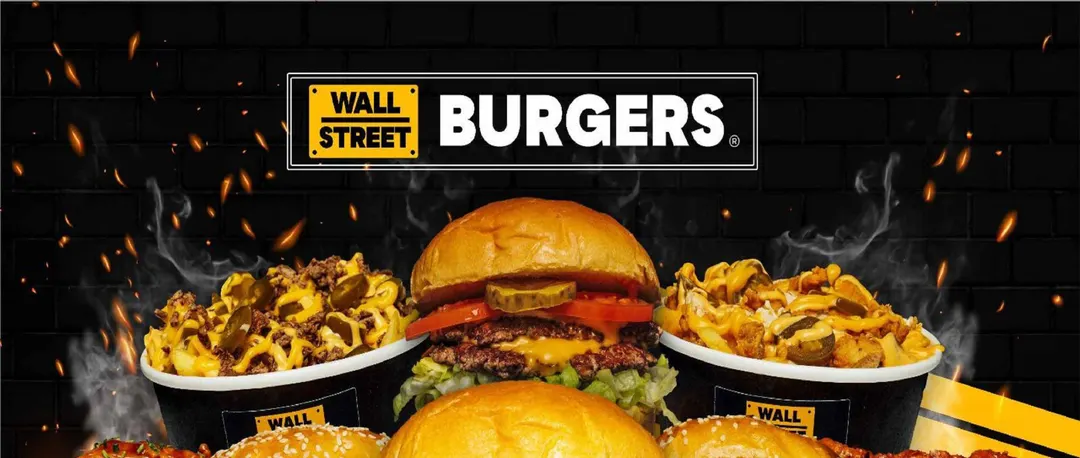
One brand that understood this well is Wall Street Burger. Operating in a saturated fast-food market, they faced the challenge of cutting through local competition and building a stronger digital presence to match the quality of its product. Despite having a solid offering, their digital presence wasn’t living up to the taste. Centauri stepped in with a refined content strategy centred around high-quality, sensory-driven visuals designed to instantly capture attention and communicate product appeal. By introducing a cleaner, more impactful visual style and focusing on hero shots that made each item look irresistible, the brand transformed how it appeared on feeds and search results.
The numbers speak for themselves: a single content campaign generated +380,000 views. That’s not vanity metrics — that’s real reach into a local audience hungry for quality. And it’s a clear signal that when you invest in how your food looks online, people respond.
Beyond the post: integrating content into a full funnel
A viral post is great, but sustainable growth requires content that works across the entire customer journey. The best F&B content marketing strategies in 2026 blend discovery, consideration, and conversion into one seamless experience. That means:
- Discovery feeds (Instagram, TikTok) with short, engaging clips that stop the scroll.
- Search-friendly assets that appear when someone searches for “best burger near me” or “lunch in [city]”.
- In-store triggers like QR codes on menus that lead to behind-the-scenes video or chef stories.
Each piece of content earns its place by moving the customer closer to a purchase — not just collecting likes. Wall Street Burger’s campaign didn’t just rack up views; it positioned the brand top-of-mind during the critical moment of decision. And because the content was built around authentic, appetising visuals, it didn’t feel like an ad. It felt like a taste test.
The role of data in content decisions
Winning with content marketing isn’t guesswork. The brands leading the pack in 2026 use data to decide what to create, where to publish, and how to optimise. They analyse which visual styles drive the most engagement, which platforms deliver actual foot traffic, and which content formats reduce the time between seeing and buying.
Centauri’s Marketing (opens in a new tab) services integrate data insights directly into content production. That means every image, video, and caption is informed by real audience behaviour — not hunches. For F&B brands, this is especially powerful because the decision cycle is short. A customer who sees your burger at 11 a.m. might be eating it by noon. The content needs to be compelling enough to close that gap instantly.
Wall Street Burger’s success with +380K views wasn’t accidental. It came from understanding exactly which visual cues resonate with local customers and creating content that maximised that connection. The result wasn’t just a spike in digital engagement — it was a measurable increase in brand recall and store visits.
Practical steps for F&B brands looking to level up
If you’re a Food & Beverage brand aiming to win in 2026, here are the key principles that separate the content that works from the content that scrolls by:
- Invest in professional visual storytelling. Grainy phone photos won’t cut it — commission photography that makes your food look like it deserves a Michelin star, even if it’s a loaded fries.
- Localise your content strategy. Use geo-targeted ads, neighbourhood-specific social posts, and partnerships with local influencers to make your brand feel like part of the community.
- Test and iterate like a tech company. Run A/B tests on headlines, captions, and image compositions. The small tweaks often yield the biggest lifts in engagement.
- Don’t forget the search engine. Optimise every asset with relevant keywords so that when customers look for what you serve, they find you first.
- Measure what matters. Views, impressions, and likes are indicators. But tie each campaign to actual store foot traffic or online orders so you know your content is paying rent.
The future: content as a utility
By 2026, content marketing in F&B will be less about campaigns and more about a continuous utility customers rely on. Imagine an AI-powered personalised menu suggestion that shows you the exact meal you’re craving, complete with a mouth-watering image and a real-time count of available tables. Or a dynamic Google Business Profile that updates hourly with the most popular dish photo. That future is already being built.
Brands that start now with a solid content foundation — like the one Wall Street Burger established with Centauri — will be best positioned to adopt these next-generation tools. To see the full story of how a refined visual content strategy turned views into real business results, you can explore the full case study.
The bottom line
Winning with content marketing in 2026 isn’t about louder ads or bigger budgets. It’s about smarter storytelling that starts with the sensory — make them feel the crunch, see the melt, imagine the flavour. And then back that creative with data, local relevance, and a full-funnel approach.
For any Food & Beverage brand that’s ready to stop being just another option and start being the one customers genuinely crave, content is the lever to pull. The brands that get it right will be the ones people search for, share, and return to — meal after meal.