Marketing
Feel It Before You Taste It: Sensory-Led Content That Drives Café Footfall
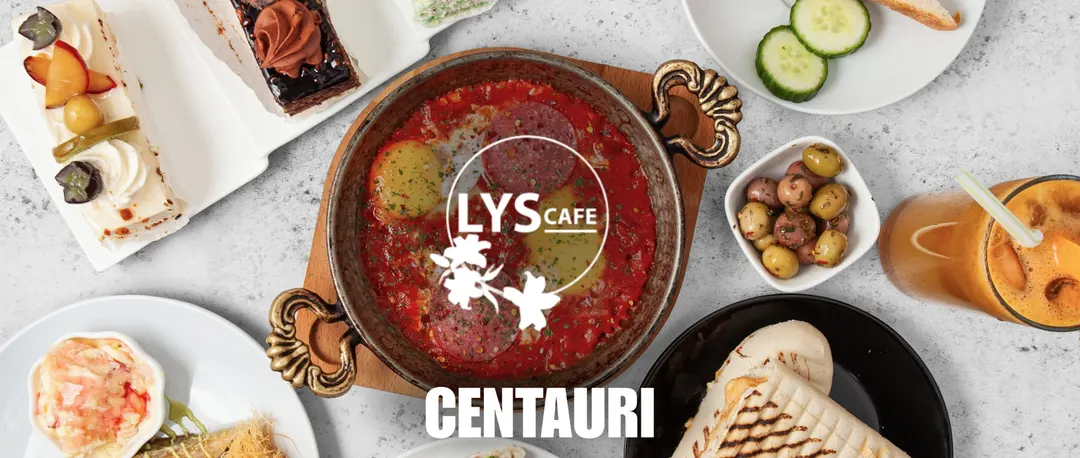
In a crowded market where aesthetics drive discovery, sensory-led content strategies are proving to be the difference between blending in and standing out.
The new battleground: attention, not just appetite
For Food & Beverage brands in 2026, the competition has shifted. It’s no longer enough to serve exceptional food or brew perfect coffee. The real fight is for attention — and that fight plays out on screens before it ever reaches a plate. With social feeds saturated and consumer expectations higher than ever, content marketing has become the decisive factor in whether a brand thrives or gets lost in the noise.
The numbers tell a clear story: brands that invest in consistent, high-quality visual storytelling see measurable returns in foot traffic, online engagement, and customer loyalty. But not all content is created equal. The winning approach in 2026 is sensory-led, emotionally resonant, and strategically aligned with how people actually discover and choose where to eat and drink.
Why Food & Beverage brands need a content-first mindset
The Food & Beverage industry is uniquely visual. A beautifully plated dish, a perfectly poured latte, the warm glow of a café interior — these aren’t just nice-to-haves. They are the primary drivers of discovery and decision-making. Platforms like Instagram, TikTok, and even Google Maps have turned every meal into a potential marketing moment.
Yet many brands still treat content as an afterthought. They post sporadically, rely on generic stock imagery, or fail to tell a cohesive story. In 2026, that approach is a liability. Consumers are savvier. They can spot inauthenticity from a scroll away. They want to feel something before they taste something.
This is where a refined content strategy becomes a competitive advantage. It’s not about posting more — it’s about posting with purpose. Every image, every caption, every video should reinforce the brand’s identity and invite the audience into an experience.
The sensory-led approach: making people feel before they taste
One of the most effective content strategies emerging in 2026 is sensory-led storytelling. This goes beyond simply showing food. It’s about capturing the atmosphere, the texture, the sound of a sizzle, the steam rising from a cup. It’s content that makes people feel like they’re already there.
For a café or brunch spot, this might mean focusing on key moments: the pour of a flat white, the golden crust of a pastry, the vibrant colours of a seasonal salad. These aren’t just images — they are invitations. They trigger cravings and create a sense of anticipation that drives real-world visits.
This approach works because it taps into how people make decisions. Research consistently shows that emotional engagement drives action. When a piece of content makes someone feel hungry, curious, or inspired, they are far more likely to save the post, share it with a friend, or visit the location.
Real-world proof: how one café turned content into foot traffic
Consider the case of Lys Cafe, a brand operating in a highly competitive café and brunch market. The challenge was familiar: a strong offering, but a crowded space driven heavily by aesthetics and online discovery. Existing content lacked the consistency and sensory appeal needed to cut through.
Centauri stepped in with a refined content strategy built around high-quality, sensory-led visuals. The focus was on maximising aesthetic appeal and shareability — capturing those café moments that make people stop scrolling. From coffee pours to plated brunch dishes, every piece of content was designed to evoke a response.
The results were tangible. Engagement metrics climbed, online visibility improved, and foot traffic followed. The strategy didn’t just create pretty pictures — it created a reason for people to choose Lys Cafe over the dozens of alternatives.
Consistency is the secret ingredient
One of the most common mistakes Food & Beverage brands make is treating content marketing as a one-off campaign rather than an ongoing commitment. A single viral post might bring a spike in attention, but it won’t build lasting brand equity. Consistency is what turns casual viewers into loyal customers.
That means posting regularly, maintaining a cohesive visual style, and aligning content with seasonal menus, events, and local trends. It also means being present across the platforms where your audience actually spends time. For many F&B brands, that’s a mix of Instagram for visuals, TikTok for short-form video, and Google Business Profile for local search.
A consistent content calendar doesn’t have to be overwhelming. The key is to plan ahead, batch-create content, and repurpose assets across channels. A single photoshoot can yield weeks of posts if done strategically.
Beyond visuals: the role of storytelling and community
While visuals are the hook, storytelling is what keeps people engaged. The most successful Food & Beverage brands in 2026 are those that weave narrative into their content. That might mean sharing the story behind a signature dish, highlighting the sourcing of ingredients, or introducing the team behind the counter.
Storytelling humanises the brand. It creates connection and builds trust. In an era where consumers increasingly value authenticity, a brand that shares its journey — the highs, the lows, the passion — stands out.
Community is another critical pillar. Content marketing isn’t just about broadcasting; it’s about conversation. Encouraging user-generated content, responding to comments, and featuring customer photos are powerful ways to deepen relationships. When customers feel seen and valued, they become advocates.
Practical steps for F&B brands in 2026
If you’re a Food & Beverage brand looking to win with content marketing this year, here are actionable steps to consider:
- Invest in quality visuals. Whether you hire a professional photographer or learn to shoot with your phone, prioritise lighting, composition, and consistency. Grainy, poorly lit photos undermine your brand.
- Focus on sensory moments. Capture the details that make your offering unique — the steam, the texture, the colour. Make people feel like they’re there.
- Plan a content calendar. Map out posts around seasonal menus, holidays, and local events. Consistency beats sporadic bursts every time.
- Tell your story. Share the why behind your brand. People connect with purpose, not just products.
- Engage your community. Encourage reviews, repost customer content, and respond to every comment. Build relationships, not just followers.
- Track what works. Use analytics to understand which content drives engagement and foot traffic. Double down on what resonates.
The future is sensory and strategic
Content marketing in the Food & Beverage space is no longer optional — it’s essential. The brands that will win in 2026 are those that treat content as a core part of their strategy, not an afterthought. They invest in sensory-led visuals, tell authentic stories, and build genuine community.
At Centauri, we’ve seen firsthand how a refined content strategy can transform a brand’s visibility and performance. Whether you’re a single café or a growing restaurant group, the principles are the same: lead with quality, stay consistent, and always put the audience’s experience first.
If you’re ready to elevate your content marketing, explore our Marketing services (opens in a new tab) to see how we can help your brand stand out in a crowded market.