Marketing
How Fashion Brands Win with Content Marketing in 2026
In a crowded digital landscape, fashion brands that master authentic, visual-first content marketing are seeing measurable returns — and one tailoring brand's 336K-view campaign proves the formula works.
The New Rules of Fashion Content Marketing
The fashion industry has always been about storytelling. But in 2026, the rules of that story have changed. Consumers are no longer satisfied with polished product shots and generic brand messaging. They want to see the weave of the fabric, the precision of the stitching, and the hands behind the garment. They want authenticity, consistency, and a narrative that feels personal.
For fashion brands — from luxury houses to niche tailors — content marketing has become the primary vehicle for building trust, driving engagement, and ultimately converting browsers into buyers. The brands winning today are those that treat every piece of content as a chapter in a larger story, not just a standalone advertisement.
This shift is backed by hard data. According to recent industry benchmarks, fashion brands that invest in structured, high-quality content strategies see up to 40% higher engagement rates compared to those relying on ad-hoc posting. And when that content is rooted in genuine craftsmanship and visual excellence, the results can be extraordinary.
Why Visual Consistency Matters More Than Ever
One of the biggest mistakes fashion brands make is treating content as an afterthought — a quick photo here, a rushed video there. In 2026, that approach simply doesn't cut it. Algorithms reward consistency, and audiences reward authenticity.
The most effective fashion content marketing strategies are built around a clear visual direction. This means establishing a consistent colour palette, lighting style, and compositional approach that reflects the brand's identity. It means showing the product in context — not just on a mannequin, but being worn, being crafted, being lived in.
For brands operating in niche or competitive segments, this visual consistency becomes a competitive advantage. When every post, every story, and every article feels like part of a cohesive whole, the brand becomes instantly recognisable. And recognition builds trust.
The Power of Craftsmanship Storytelling
Fashion is one of the few industries where the process is as compelling as the product. Consumers today are deeply interested in how things are made — the materials, the techniques, the people behind the seams. Content marketing that pulls back the curtain on craftsmanship creates an emotional connection that product shots alone cannot achieve.
This is especially true for tailoring and bespoke fashion, where the value proposition is rooted in quality and detail. A well-crafted video showing the precision of a hand-stitched lapel, or a photo series highlighting the texture of a premium fabric, communicates value far more effectively than a price tag ever could.
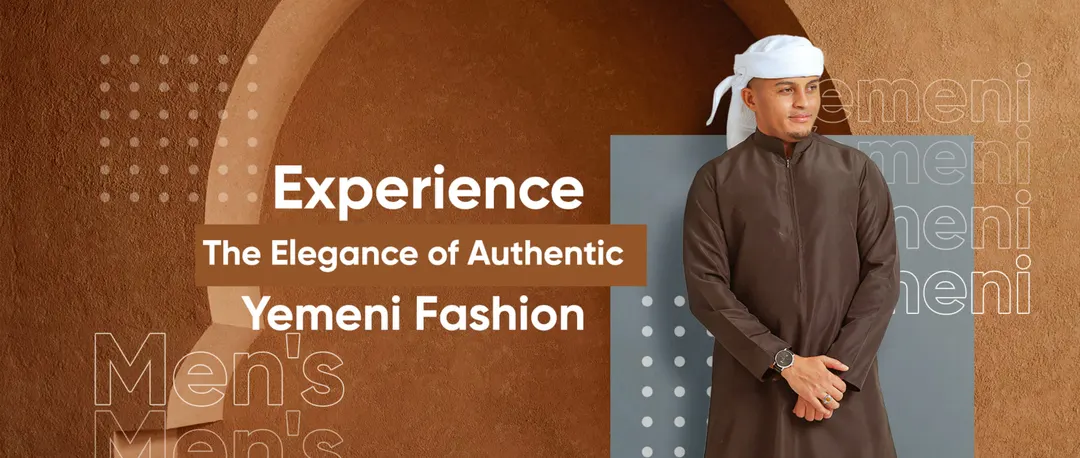
Brands that lean into this kind of storytelling are seeing significant returns. One standout example is Arabian Tailor, a niche tailoring brand that partnered with Centauri to overhaul its content strategy. By focusing on clean, high-quality visuals that highlighted fabric detail, tailoring precision, and finished garment presentation, the brand achieved a remarkable +336K views across its digital platforms. This wasn't just about vanity metrics — it was about building a library of content that consistently communicated quality and craftsmanship to a discerning audience.
Building a Content Engine That Scales
The challenge for many fashion brands is moving from one-off content pieces to a sustainable content engine. This requires more than just a camera and a social media account. It demands a structured approach to content planning, production, and distribution.
A successful content marketing strategy in 2026 typically includes:
- A content calendar that aligns with seasonal collections, cultural moments, and brand milestones
- A mix of formats — from short-form video for social platforms to long-form editorial for the brand's website
- A clear hierarchy of content — hero pieces that drive major campaigns, supported by daily or weekly content that maintains visibility
- Performance tracking that goes beyond likes and shares to measure engagement depth, conversion, and brand recall
For fashion brands, the goal is not just to be seen, but to be remembered. And that requires content that stops the scroll, holds attention, and leaves a lasting impression.
The Role of Platform Strategy
Not all content works on all platforms. A behind-the-scenes tailoring video might perform brilliantly on Instagram Reels or TikTok, while a detailed article about fabric sourcing might be better suited to a brand's blog or LinkedIn. Understanding where your audience spends their time — and how they consume content on each platform — is critical.
In 2026, the most successful fashion brands are platform-native. They don't just repurpose the same content everywhere; they tailor the format, length, and tone to each channel. This requires a deeper investment in content production, but the payoff is higher engagement and stronger brand affinity.
For brands looking to build a comprehensive content marketing strategy, Centauri's Marketing services (opens in a new tab) offer a structured approach to planning, producing, and distributing content that resonates across channels.
Measuring What Matters
One of the most common pitfalls in fashion content marketing is focusing on the wrong metrics. Vanity metrics like follower count or total impressions can be misleading. What matters more is engagement rate, content recall, and — ultimately — conversion.
The +336K views achieved by Arabian Tailor is a powerful number, but it's the context that makes it meaningful. Those views came from a targeted audience interested in quality tailoring. They weren't accidental impressions; they were intentional engagements with content that spoke directly to the brand's core value proposition.
For fashion brands, the key is to define success metrics upfront. Are you trying to build brand awareness? Drive traffic to your e-commerce store? Generate leads for bespoke services? Each goal requires a different content approach and a different set of KPIs.
The Future of Fashion Content Marketing
Looking ahead, several trends are shaping the future of fashion content marketing. Personalisation is becoming more sophisticated, with AI tools enabling brands to deliver tailored content experiences at scale. Video continues to dominate, but the format is evolving — think interactive shoppable videos and live-streamed fashion events. And sustainability storytelling is no longer optional; consumers expect brands to be transparent about their practices and materials.
But the fundamentals remain the same. Great content marketing in fashion is about telling a compelling story, showing genuine craftsmanship, and building a consistent visual identity that audiences can trust.
The brands that win in 2026 will be those that treat content not as a marketing tactic, but as a core part of their brand experience. They will invest in quality over quantity, consistency over chaos, and authenticity over hype.
And as the case of Arabian Tailor demonstrates, when you get the formula right, the results speak for themselves.