Marketing
Food & Beverage Content Marketing Trends 2026: Why Visual Storytelling is the New Currency
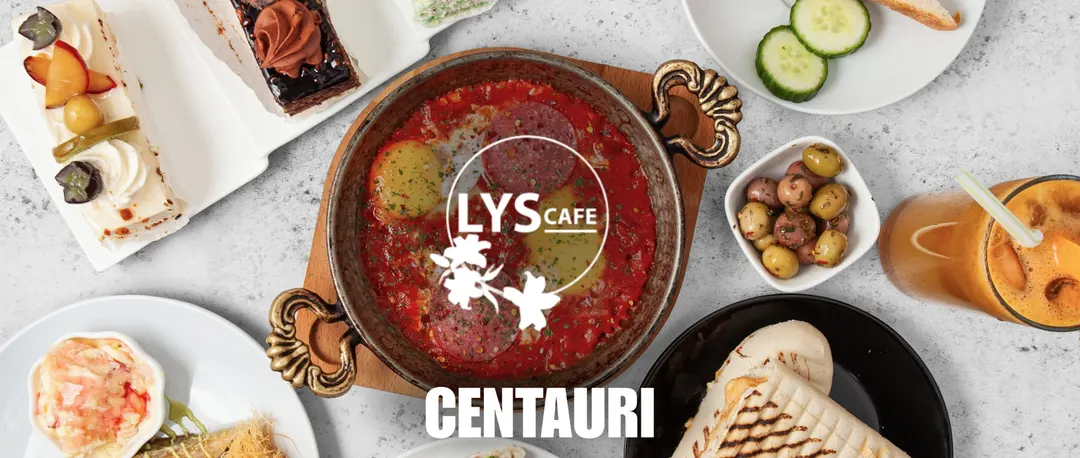
As sensory-led content reshapes consumer expectations, forward-thinking F&B brands are turning to visceral visual storytelling to build loyalty and drive measurable growth.
The Shift from Transactional to Experiential Content
The food and beverage industry is undergoing a fundamental transformation in how it connects with customers. Gone are the days when a simple menu photo or a basic promotional post would suffice. In 2026, the most successful F&B brands are those that treat content not as a marketing afterthought but as the core of their customer experience.
This shift is driven by several converging factors. First, consumer attention spans continue to fragment across an ever-expanding array of digital platforms. Second, post-pandemic diners crave authentic, sensory connections with the brands they choose to spend their money with. And third, the algorithm gods of social media increasingly reward content that stops thumbs in their tracks — content that feels less like advertising and more like an invitation.
What we're seeing is a move away from what might be called "menu marketing" — the straightforward presentation of products and prices — toward what industry analysts are calling immersive visual storytelling. This approach treats every post, every video, every branded interaction as a micro-experience that transports the consumer into the brand's world before they've even stepped through the door.
Why "Sensory-Led" Content is Winning in 2026
The numbers tell a compelling story. According to recent industry data, content that emphasizes sensory elements — the steam rising from a freshly poured latte, the crackle of a perfectly seared steak, the vibrant colors of a beautifully plated dish — generates significantly higher engagement rates than standard food photography. This isn't surprising when you consider that we eat with our eyes first, and in the digital space, that visual appetite is more important than ever.
The key trend for 2026 is what experts are calling "intentional aesthetic." This goes beyond simply making food look good. It involves creating a cohesive visual language that communicates the brand's values, atmosphere, and identity through every piece of content. For café concepts and restaurants alike, this means considering how each element — from the lighting in a photograph to the color palette of a video to the typography used in a caption — works together to build a recognizable and desirable brand world.
Consider the modern café experience. Patrons don't just want coffee; they want the ritual, the atmosphere, the moment of calm in a busy day. Content that captures these emotional touchpoints — the barista's focused concentration, the sunlight catching the rim of a ceramic cup, the quiet satisfaction of a first sip — becomes infinitely more powerful than any product shot could be. This is the difference between telling someone your coffee tastes great and making them feel like they're already tasting it.
A Real-World Proof Point: How Visual Strategy Drives Tangible Results
To understand how these trends play out in practice, look no further than the partnership between Centauri and Lys Cafe. This modern café concept, built around aesthetically presented drinks and relaxed, social-first dining, faced the challenge of standing out in an increasingly crowded market. The solution wasn't more advertising or bigger discounts — it was a fundamental rethinking of their content approach.
Centauri deployed a refined content strategy centered around high-quality, sensory-led visuals designed to maximize aesthetic appeal and shareability. By focusing on key café moments — from coffee pours to plated brunch dishes — the team created content that didn't just show what Lys Cafe offered but invited potential customers into the experience itself. Every post became a window into the brand's world, crafted to trigger an emotional response before a rational one.
The results speak directly to the power of this approach. The core takeaway is clear: when F&B brands commit to visual storytelling that prioritizes sensory appeal and emotional connection, they don't just increase engagement — they build a community of loyal customers who become brand advocates themselves. This approach, supported by Centauri's content marketing expertise (opens in a new tab), demonstrates that in 2026, the most effective marketing isn't about interrupting people — it's about inviting them in.
Practical Takeaways for F&B Brands
So what does this mean for café owners, restaurateurs, and food and beverage marketers looking to stay ahead in 2026? The first and most important lesson is to invest in quality. In an age of ubiquitous smartphone photography, genuine professional craftsmanship stands out. This doesn't necessarily mean hiring the most expensive photographer in town, but it does mean treating content creation as a strategic priority rather than a box to tick.
Second, think in series rather than singles. The most compelling content strategies create a recognizable "world" that consumers want to return to. This could mean a weekly video series showing a different drink being prepared, a collection of "golden hour" photos from the same corner of the café, or a recurring theme of customer moments that humanizes the brand. Consistency of voice, visual style, and emotional tone builds the kind of recognition that turns casual scrollers into regular customers.
Third, and perhaps most importantly, remember that the best content makes people feel something. Whether that's the comfort of a familiar ritual, the excitement of discovering something new, or the simple pleasure of beautiful things, emotional resonance is what transforms content from noise into signal. In a world where consumers are bombarded with thousands of marketing messages daily, the brands that win are those that offer a moment of genuine human connection.
The Future is Visual, and It's Already Here
As we move further into 2026, the trajectory is clear: food and beverage content marketing will continue to evolve toward richer, more immersive, and more emotionally sophisticated forms of storytelling. The brands that embrace this shift — that invest in intentional aesthetics and sensory-led experiences — won't just survive the year; they'll thrive.
For marketers in this space, the challenge is no longer about convincing consumers that your product is good. Good is the baseline. The real challenge — and the real opportunity — lies in making people feel your product before they taste it. That means thinking like a storyteller, acting like an artist, and measuring success not just in likes and shares, but in the genuine connections you build with every piece of content you put into the world.
The evidence from Lys Cafe and others is already in: when you lead with sensory experience, the numbers follow. The question for every F&B brand now is simple — what story will your content tell in 2026?