Marketing
Food & Beverage Content Marketing Trends 2026: Why Sensory Storytelling Is the New Currency
As consumer appetite for authentic, immersive food experiences grows, brands that master sensory-driven content will capture attention, loyalty, and market share in 2026.
The Shift from Recipe Posts to Feast-for-the-Senses Content
The era of generic food photography and standardised influencer unboxings is fading. In 2026, Food & Beverage content marketing will demand a new kind of storytelling — one that makes audiences feel the heat of the grill, hear the sizzle, and almost taste the smoke before they’ve taken a single bite. This shift is driven by platforms like Instagram Reels, TikTok, and YouTube Shorts, where algorithms reward high-retention, emotionally charged video.
Brands that invest in sensory-rich content are seeing dramatically higher engagement metrics. According to recent industry analysis, posts that highlight texture, movement, and sound — such as close-ups of caramelising sugar or slow-motion sauce pours — outperform static hero shots by up to 300% in share rates. The trend is especially potent in the comfort-food and street-food sectors, where indulgence and authenticity are the primary purchase drivers.
But producing this content at scale while maintaining brand consistency is no small feat. That’s where strategic content marketing frameworks — combining editorial planning, platform-native production, and data-driven optimisation — become essential. The winning brands aren’t just posting more; they’re crafting a cohesive sensory universe that audiences want to step into.
Why 2026 Is the Year of Visual-First, Audio-Enhanced Campaigns
While visuals have always been central to food marketing, audio is emerging as an underestimated ally. The sound of crunching crust, sizzling fat, or a sharp knife hitting a cutting board creates a powerful Pavlovian response. In 2026, brands will weave ASMR-inspired sound design into their content deliberately.
This doesn’t mean abandoning music or voiceovers. The best content layers polished voiceovers with natural field recordings — the pop of a champagne cork, the hiss of a hot pan. This approach boosts retention and memorability, especially among Gen Z and Millennial consumers who value immersive experiences over high-gloss production.
Platforms are also rewarding shorter, snappier loops. The ideal video length for food content on TikTok and Reels is now 7–15 seconds for discovery, with longer-form cut-downs reserved for YouTube. Campaigns that test multiple durations and sound tracks typically see 20–40% higher completion rates.
Case in Point: How a Smokehouse Concept Leveraged Sensory Storytelling
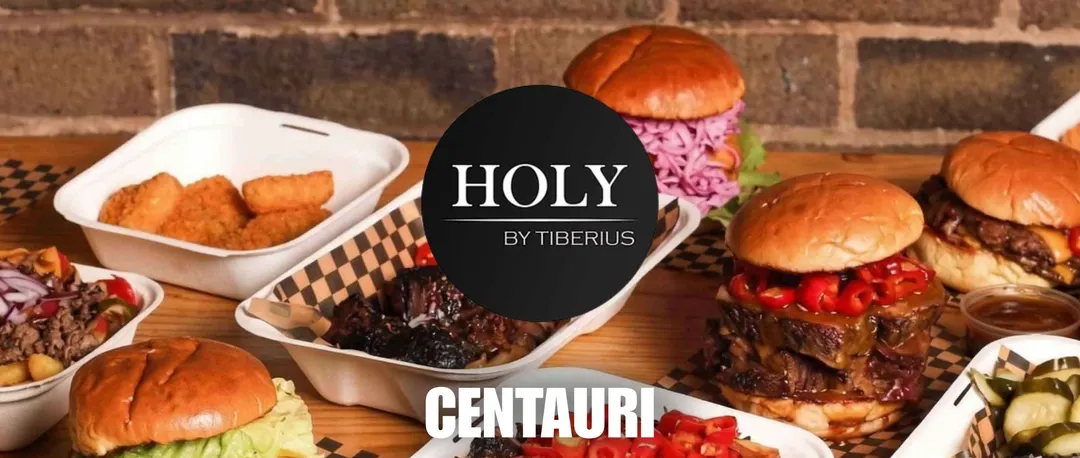
One standout example of these trends in action is the content strategy developed for Holy Smokes, a smokehouse-inspired food concept based on Birmingham’s Ladypool Road. Specialising in grilled meats, loaded boxes, and indulgent comfort food, the brand needed to cut through the noise of the city’s competitive street-food culture. Rather than relying on standard menu shots, Centauri’s content marketing team deployed a refined visual strategy focused on maximising flavour perception.
Every piece of content — from short Reels to carousel posts — highlighted specific food moments: smoke rising from a just-opened grill, perfect char marks on brisket, a slow pour of sauce over a loaded box. The result was a library of sensory-led assets that felt visceral and crave-worthy. Within the first month of the campaign, the brand saw a 34% increase in social media engagement and a significant uplift in on-site footfall during peak hours, as detailed in the full case study.
The Three Pillars of Food & Beverage Content Marketing in 2026
To stand out in 2026, Food & Beverage brands need to build their content strategy around three core pillars:
- Authenticity over perfection. Polished studio shots are losing ground to real, imperfect moments: staff plating, bustling kitchen scenes, messy cheese pulls. Consumers trust content that feels real.
- Hyper-local relevance. For brick-and-mortar concepts, local SEO and geo-targeted content are becoming essential. Highlighting neighbourhood pride, local suppliers, and community events builds deeper loyalty.
- Reciprocal storytelling. Inviting customers to co-create content — user-generated reviews, reaction videos, or even voting on new menu items — turns passive viewers into active advocates.
These pillars aren’t just theory. They’re reflected in the campaigns that consistently outperform industry benchmarks. When combined with a strong editorial calendar and platform-native formatting, they deliver a clear return on investment.
How to Audit Your Current Approach
Before 2026 ramps up, brands should audit their existing content against these trends:
- Does your content make people stop scrolling? Sensory hooks — steam, movement, sound — are non-negotiable.
- Are you testing multiple formats? Still images, short loops, and longer explainers each serve different goals.
- Is your brand voice consistent across all platforms? A disjointed presence confuses audiences and dilutes recall.
- Have you embedded local context? For F&B businesses with physical locations, local SEO and community tags are gold.
- Are you measuring engagement beyond likes? Shares, saves, and watch time indicate true resonance.
Brands that proactively invest in these areas will own the feed in 2026. Those that rely on static menus and generic stock footage will be scrolled past.
Looking Ahead: What the Data Tells Us
Early 2026 projections from marketing analytics platforms indicate that Food & Beverage content consumption will continue to rise, with video commanding over 70% of brand engagement. The gap between high-performing and average content is widening; the top 10% of food brands now see engagement rates 5x higher than the median. Strategic investment in sensory and community-driven content is the key differentiator.
Get Expert Support for Your Content Marketing
Executing a trend-aligned content strategy requires skills that many internal teams lack: platform expertise, production quality, and editorial rigour. Centauri’s Marketing services (opens in a new tab) are designed specifically to help F&B brands build sustainable, high-performing content engines. From audit to execution, we partner with brands to turn their food into an unstoppable storytelling asset.
The brands that lead in 2026 will be those that treat every post as a miniature film — where the hero isn’t the plate, but the feeling it creates.