Marketing
Food & Beverage Content Marketing Trends 2026: Why Sensory Storytelling Is Winning
As the food and beverage landscape grows more crowded, brands that lead with sensory-rich, consistent content are capturing attention and driving measurable results.
The New Rules of Engagement in Food & Beverage Content
The food and beverage industry has always been a visual playground. From the glisten of a freshly glazed doughnut to the steam rising off a perfectly seared steak, imagery has long been the currency of craving. But as we look toward 2026, the game is changing. It's no longer enough to simply show food — brands must make audiences feel it.
Content marketing in the food and beverage sector is undergoing a seismic shift. With consumers scrolling through hundreds of posts daily, the brands that stop the scroll are those that prioritise sensory storytelling. This means content that doesn't just depict a product but evokes the crunch, the aroma, the warmth. It's about creating an almost tangible experience through a screen.
The data backs this up. According to recent industry reports, video content featuring close-up, texture-focused shots of food generates engagement rates up to 40% higher than standard product photography. Meanwhile, brands that maintain a consistent posting schedule see a 67% increase in audience retention compared to those that post sporadically. Consistency, it turns out, is just as important as quality.
Why Consistency and Visual Quality Are Non-Negotiable
One of the biggest challenges facing food and beverage brands today is the sheer volume of noise. In a market where everyone is selling something delicious, how do you make your offering unforgettable? The answer lies in a dual commitment to consistency and visual excellence.
Consider the fried chicken market — a category so saturated that differentiation often feels impossible. Yet, brands that invest in a cohesive visual identity and a steady stream of high-quality content are the ones breaking through. The key is to treat every piece of content as a mini-cinematic experience. Lighting, composition, and colour grading matter. So does the frequency of posting. A brand that posts once a week is easily forgotten; one that posts daily, with purpose, becomes a fixture in the consumer's mind.
This approach isn't just about aesthetics — it's about building trust. When a brand consistently delivers beautiful, appetising content, it signals professionalism and care. Consumers subconsciously associate that quality with the product itself. In a world where first impressions are often digital, your content is your handshake.
The Rise of Sensory-Led Storytelling
The most effective food and beverage content in 2026 will be sensory-led. This means moving beyond simple product shots and into the realm of immersive storytelling. Think slow-motion pours, extreme close-ups of crispy textures, and shots that capture the moment a sauce glazes over a surface. These are the visuals that trigger dopamine responses and, ultimately, purchase intent.
Sensory-led content works because it bypasses rational thought and speaks directly to emotion. When a viewer sees a golden-brown crust crack under pressure, their brain simulates the experience. They can almost taste it. This is the power of what marketers call "vicarious consumption" — and it's the most potent tool in the food and beverage content arsenal.
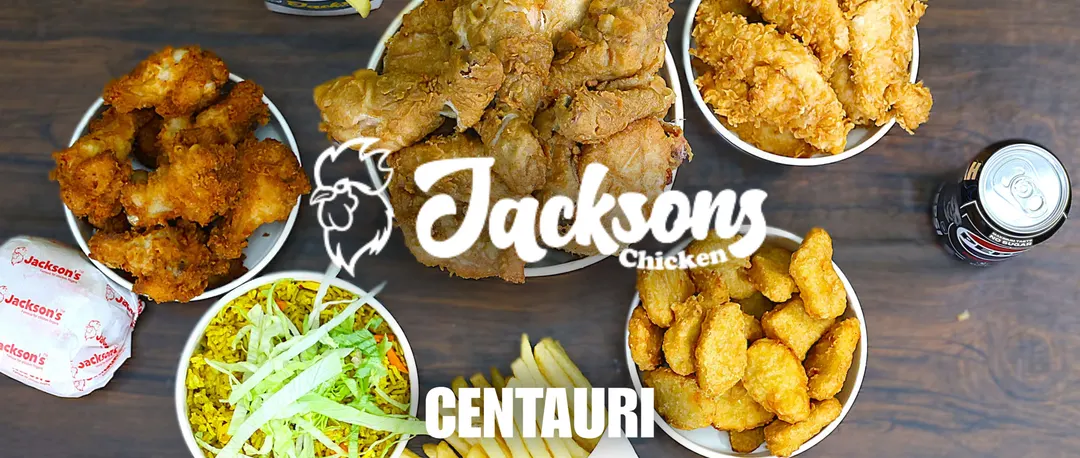
Brands that master this technique are seeing remarkable results. One standout example is Jackson's Chicken, a brand operating in the fiercely competitive fried chicken space. Facing a market crowded with similar offerings, Jackson's Chicken partnered with Centauri to deploy a refined content strategy centred around high-quality, sensory-led visuals. The goal was to maximise product appeal and capture attention instantly. By focusing on key food moments — from crispy textures to sauce glazes — the campaign created a visual language that resonated deeply with audiences. The result? Over 1.2 million views, proving that when you make content that people can almost taste, they can't look away.
How to Build a Winning Content Strategy for 2026
So, what does a winning food and beverage content strategy look like in practice? It starts with a clear understanding of your brand's visual identity. Every piece of content should feel like it belongs to the same family. This means consistent lighting, colour palettes, and framing. It also means a consistent voice — whether that's playful, luxurious, or rustic.
Next, prioritise video. Static images still have their place, but video is where the magic happens. Short-form video, in particular, is dominating social platforms. Think 15-second clips that capture a single, powerful moment: a knife slicing through a flaky pastry, a drizzle of honey over yogurt, a sizzle on a hot grill. These micro-moments are highly shareable and highly effective.
Finally, don't underestimate the power of user-generated content. Encouraging customers to share their own sensory experiences with your product builds community and authenticity. Reposting UGC not only fills your content calendar but also serves as powerful social proof.
The Role of Data in Content Creation
While creativity is at the heart of great content, data is the engine that drives it. In 2026, successful food and beverage brands will be those that use analytics to refine their approach. Which types of content generate the most engagement? What time of day do your followers engage most? Which platforms deliver the highest ROI?
These questions should inform every content decision. A/B testing different visual styles, captions, and posting schedules can yield surprising insights. For example, you might discover that your audience responds better to overhead flat lays than to angled shots, or that videos with sound perform significantly better than silent ones. The brands that win are those that treat content marketing as a science as much as an art.
Why Partnering with Experts Matters
Navigating the evolving landscape of food and beverage content marketing can be daunting. Trends shift, algorithms change, and consumer expectations rise. This is why many brands are turning to specialists who understand the nuances of the industry. A dedicated marketing (opens in a new tab) partner can bring the expertise, tools, and creative firepower needed to stay ahead.
Centauri's work with Jackson's Chicken is a testament to what's possible when strategy meets execution. By combining deep industry knowledge with a commitment to sensory-led storytelling, the campaign not only achieved impressive viewership numbers but also set a new standard for what content in the fried chicken category can look like. For a deeper dive into the approach and results, you can explore the full case study.
Looking Ahead: The Future of Food Content
As we move further into 2026, expect to see even more innovation in food and beverage content. Augmented reality filters that let users "try" a dish before ordering, interactive recipe videos, and AI-generated personalised content are all on the horizon. But the fundamentals will remain the same: great content is about connection. It's about making someone stop, look, and feel.
For brands willing to invest in consistency, quality, and sensory storytelling, the opportunities are enormous. The market may be crowded, but there is always room for content that truly stands out. The question is not whether to invest in content marketing — it's how boldly you're willing to do it.
Want the full story? Read our case study with Jacksons Chicken.