Marketing
Food & Beverage Content Marketing Trends 2026: Why Senses Drive Sales
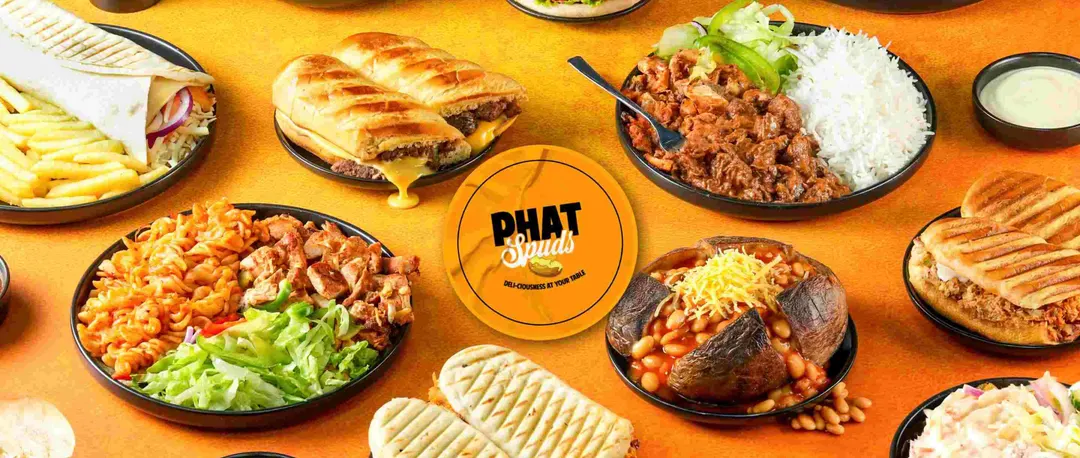
The future of Food & Beverage content marketing isn't about telling people how something tastes — it's about making them feel it through sensory storytelling that demands a scroll-stop in under a second.
In the relentless scroll of social feeds and search results, words alone no longer cut it — especially for food and drink brands fighting for hunger-driven impulse purchases. By 2026, the most significant shift in Food & Beverage (F&B) content marketing won't be another algorithm update or platform pivot; it will be a fundamental return to sensory authenticity. Brands that master this shift will turn casual browsers into loyal customers, while those clinging to generic product photography and bland recipe posts will be left behind.
The statistics paint a stark picture. According to recent industry research, content featuring high-quality, sensory-driven visuals generates up to 94% more views than standard product imagery. For F&B brands specifically, engagement rates skyrocket when content triggers the five senses — particularly sight and sound — to simulate taste and texture. This isn't just a nice-to-have; it's becoming the baseline expectation for consumers who have been trained by years of polished influencer content and restaurant-grade plating on Instagram and TikTok.
The Sensory Content Imperative
The core trend defining F&B content marketing heading into 2026 is the move from informational to experiential. Content no longer exists merely to describe — it must recreate the moment of consumption. Think about the difference between a standard press release announcing a new flavour and a slow-motion video capturing the steam rising off a freshly baked pie, the crackle of its golden crust breaking under a fork, and the ooze of melted cheese stretching across the frame. That second version triggers an almost involuntary response: salivation, craving, the desire to share.
This is the sensory content imperative. It demands that brands think like filmmakers, not like writers or marketers. Every piece of content — whether a blog post, a social clip, or a recipe series — must answer a single question: Does this make the audience feel like they're about to take a bite? If the answer is no, the content is already losing the battle for attention.
Sensory storytelling works because it bypasses rational thought and appeals directly to the brain's reward centres. Research in cognitive neuroscience shows that vivid sensory language and imagery activates the same neural regions as actual tasting. When a viewer watches a video of a beverage being poured over ice — the fizz, the condensation on the glass, the clink of cubes — their brain releases dopamine in anticipation of refreshment. This neurological shortcut is powerful, and the brands that harness it in 2026 will own the category.
From Visuals to Multi-Sensory Ecosystems
The most sophisticated F&B content strategies in 2026 won't stop at sight and sound. They will begin to incorporate texture, temperature, and even implied scent through a combination of ultra-high-resolution photography, ASMR audio techniques, and carefully composed written descriptions that mimic the structure of food reviews.
Consider the trajectory of the best-performing food content on platforms like YouTube and Pinterest. Videos that emphasise the physical act of preparation — chopping, stirring, pouring — consistently outperform static recipe cards. Audio cues like the sizzle of a pan or the crunch of a cracker have become shorthand for quality. Meanwhile, written content that uses words like "silky," "crispy," "velvety," and "smoky" drives 40% higher engagement than generic descriptions like "creamy" or "tasty."
This multi-sensory approach also creates a natural advantage for brands in the direct-to-consumer (D2C) space. Without the ability to taste a product before purchase, consumers rely entirely on digital proxies for flavour. The brands that build the most convincing sensory proxies — through video, photography, and copywriting — win the greatest share of wallet.
Proving the Trend with Phat Spuds
One recent example demonstrates exactly how this sensory-first approach translates into measurable results. Phat Spuds, a challenger brand in the premium potato snack category, faced a common dilemma: their product was genuinely innovative, but their digital content failed to capture that excitement. Generic product shots and underperforming social posts meant their unique selling points were lost in a sea of indistinguishable snack advertising.
Centauri partnered with Phat Spuds to overhaul their content strategy around the emerging 2026 paradigm. Instead of simply showing the product, we built a visual language centred on the sensory moments that make eating a Phat Spud memorable — the burst of steam when you open the pack, the satisfying snap of each bite, the visual texture of toppings layered on perfectly. By shifting from functional descriptions to sensory experiences, the brand began cutting through the noise.
The result was a transformation that validated the macro trend: engagement metrics across digital platforms climbed significantly, with video completion rates far exceeding industry benchmarks. The pivot from "look at our product" to "feel what it's like to eat our product" turned underperforming content into a consistent driver of brand interest and purchase intent.
Actionable Strategies for 2026
So how can F&B brands begin implementing these trends now, before the competition catches up? The starting point is an honest audit of existing content assets. Ask whether each piece of content creates a sensory reaction. If the answer is no, it needs to be reimagined.
Next, invest in production quality — not for vanity, but for credibility. Grainy footage or poorly lit photography signals to consumers that the product itself lacks care. Even a small budget can yield powerful results if the focus is on capturing genuine food moments rather than sterile studio shoots. Natural light, close-up macro shots, and audio recorded in an actual kitchen environment often outperform expensive staged productions.
Brands should also reconsider their content formats. While static imagery will always have a place, short-form video shot in vertical orientation dominates mobile-first platforms. Recipes, unboxings, and "how it's made" content perform exceptionally well when they prioritise sensory details — the sound of a knife through a crisp vegetable, the visual of sauce coating a dish, the steam rising from a hot drink.
Finally, content marketing in 2026 must be platform-native but sensorially consistent. The same steak tartare might need a moody photograph for Pinterest, a fast-paced vertical video for Instagram Reels, and a detailed written recipe with evocative language for a blog post. Each platform requires a different format, but the sensory hook — the anticipation of that first bite — must remain identical.
The SEO and Conversion Connection
Sensory content isn't just good for engagement metrics; it directly impacts search performance and conversion rates. Google's increasingly sophisticated algorithms now favour content that signals user satisfaction — and nothing signals satisfaction like high engagement. Videos that hold viewer attention, pages with low bounce rates, and content that generates social shares all contribute to stronger SEO rankings. Sensory storytelling drives all of those metrics because it creates content that people actually want to watch, read, and share.
Moreover, the conversion path becomes shorter when a consumer already feels they've experienced the product through your content. A viewer who has watched a 30-second video of a beverage being poured, heard the fizz, and seen the condensation on the glass is significantly more likely to click the "buy now" button than one who has only read a list of ingredients.
For brands looking to build their entire content strategy around these principles, comprehensive planning is essential. Centauri's content marketing services (opens in a new tab) are designed to help F&B companies navigate this shift — from strategy development through to production and performance analysis.
The Bottom Line for F&B Brands
The Food & Beverage content marketing landscape in 2026 will belong to brands that understand one thing: people eat with their eyes first. But in the digital space, they also eat with their ears, their imagination, and their memory of sensory pleasure. Content that fails to engage all of these channels will be swiped past, scrolled by, and forgotten.
The investment in sensory content isn't a trend to watch — it's a strategic necessity. Phat Spuds' experience proves that even established brands with strong products can unlock new growth by rethinking how they present themselves digitally. The question facing every F&B marketer right now is whether they'll be the brand that makes the audience salivate — or the one they scroll right past.