Marketing
Food & Beverage Content Marketing Trends 2026: Why Authenticity Wins Over Hype
As the food and beverage sector hurtles toward 2026, content marketing is shifting from polished perfection to raw, relatable storytelling—and local brands are leading the charge.
The New Flavour of Food & Beverage Content
If you’ve scrolled through social media lately, you’ve noticed the change. Gone are the days when a perfectly staged flat lay of a latte and a croissant would stop the scroll. In 2026, audiences crave something real—steam rising from a cup, barista hands at work, the clatter of cutlery in a bustling café. For food and beverage brands, this shift isn’t just aesthetic; it’s strategic.
Content marketing in the food and beverage space has always been sensory, but the latest trends show a decisive move toward authenticity, community, and immediacy. According to industry analysts, over 70% of consumers now say they trust a brand more when they see behind-the-scenes or user-generated content over glossy ads. The winners in 2026 will be those who turn their cameras on the everyday moments that make their brand feel like a second home.
This is especially true for local F&B businesses competing against chains and delivery apps. The key isn’t to shout louder—it’s to get quieter, closer, and more real.
Sensory Storytelling Is the New Standard
One of the biggest food & beverage content marketing trends for 2026 is what we call "sensory storytelling." This means content that doesn’t just tell you about a product—it makes you hear the sizzle, smell the coffee, and feel the warmth of the space. Video content, particularly short-form, is the dominant format, but the style has evolved. Static, overly-produced clips are being replaced by lo-fi, handheld footage that feels like a friend’s recommendation.
Brands are leaning into the texture of their environments. Think: close-ups of bread being pulled from the oven, the sound of a steam wand hissing, slow pans across a busy counter at lunchtime. This approach doesn’t just build appetite—it builds trust. When a customer can almost taste the product through a screen, they’re far more likely to walk through the door.
This is exactly the thinking behind Centauri’s work with local hospitality brands, where content is designed to highlight not just the food, but the atmosphere and the human touch behind every order.
Why Local Brands Win with Community-Driven Content
In a world of algorithm-fed suggestions, local food and beverage brands have a secret weapon: real community. Unlike mass-market franchises, local cafés and eateries can tap into hyper-local loyalty, Instagram-worthy corner shops, and word-of-mouth that’s earned, not paid for. The 2026 trend is about turning customers into content creators—without losing the brand’s voice.
User-generated content (UGC) is no longer a nice-to-have; it’s a distribution channel. Brands that encourage regulars to post their morning coffee, share their favourite brunch spot, or tag their go-to lunch break are seeing organic reach figures that paid ads can’t match. And when that content is reposted—credited, of course—it becomes a powerful signal of belonging.
For a café on a high street like Small Heath’s Coventry Road, this kind of organic visibility is invaluable. You don’t just earn a customer; you earn an ambassador.
Proof Point: How Content Marketing Delivered +415K Views for a Local Café
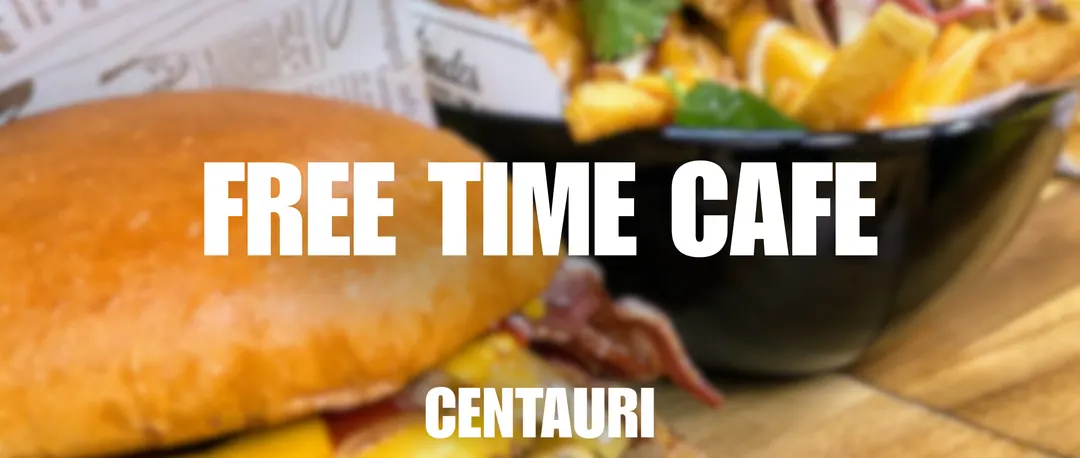
Consider the case of Free Time Café, a neighbourhood spot that partnered with Centauri to refresh its content strategy. The challenge was one many local F&B brands face: how to cut through the noise of a dense food retail area without a massive media budget.
Centauri’s solution was not a big-budget production, but a refined content-led approach centred around high-quality, sensory-led visuals. The focus wasn’t on perfecting the brand’s image—it was on capturing its everyday appeal. From drinks preparation to the joyful clatter of plates at peak hours, the content highlighted freshness, atmosphere, and moments that felt repeatable and relatable.
The result speaks for itself: over 415,000 views across social channels. That’s not vanity metrics—that’s the equivalent of tens of thousands of real eyes on a local brand’s storefront every single time a piece of content performed. No gimmicks, no hype. Just honest, visual storytelling that matched what customers already loved about the place.
This kind of outcome shows that in 2026, the most powerful tool in food & beverage content marketing isn't a bigger budget—it's a clearer insight into what makes your brand worth watching.
The Rise of the "Everyday Hero" Content
Another trend gaining serious traction is the "everyday hero" format—content that highlights the people behind the counter as much as the food on it. Chefs, baristas, and front-of-house staff are becoming the faces of their brands, sharing short clips of their own routines, specials they’re excited about, or even a quick moment of calm before the rush.
Why does this work? Because people connect with people, not logos. A barista explaining how they tweak a flat white, or a chef showing the day’s fresh produce delivery, creates a personal thread between brand and customer. It makes the business feel accessible, accountable, and human.
This trend also ties into the broader movement toward transparency in the food industry. Customers want to know where their ingredients come from, how their coffee is roasted, and who’s making their lunch. The brands that answer these questions in their content—without sounding like a marketing brochure—build loyalty that goes beyond the next transaction.
How to Adapt Your F&B Content Strategy for 2026
If you’re running a food or beverage business and wondering where to start, here are three actionable takeaways based on where the industry is heading:
1. Invest in video that feels like real life. Pull out your phone and film the steam, the sound, the sunlight hitting your counter. If it feels real to you, it will feel real to your audience.
2. Make your team your storytellers. Give your staff permission to share their own content—or even appear in yours. A familiar face builds a familiar brand.
3. Track the right metrics. Don’t just count likes; look at views, shares, and—most importantly—foot traffic or click-throughs to your online ordering system. The goal isn't awareness for its own sake; it's awareness that leads to action.
Centauri’s Marketing services (opens in a new tab) team works with food and beverage brands to craft strategies that don’t just follow trends—they set them. The focus is always on measurable growth, grounded in data and a genuine understanding of what makes each brand unique.
Final Thought: The Big Shift Is Already Here
Food & beverage content marketing in 2026 isn’t about trying to be everything to everyone. It’s about being something specific to someone. The brands that thrive will be the ones who stop acting like polished corporations and start acting like the local spots they’ve always been.
Authenticity, community, and sensory detail aren’t passing fads. They’re the new baseline. And for local cafés, bakeries, and eateries, that’s excellent news—because nobody tells a neighbourhood story better than the people who live in it.
The secret ingredient? It’s not a budget. It’s a point of view.