Marketing
Food & Beverage Content Marketing Trends 2026: Why Authenticity Wins
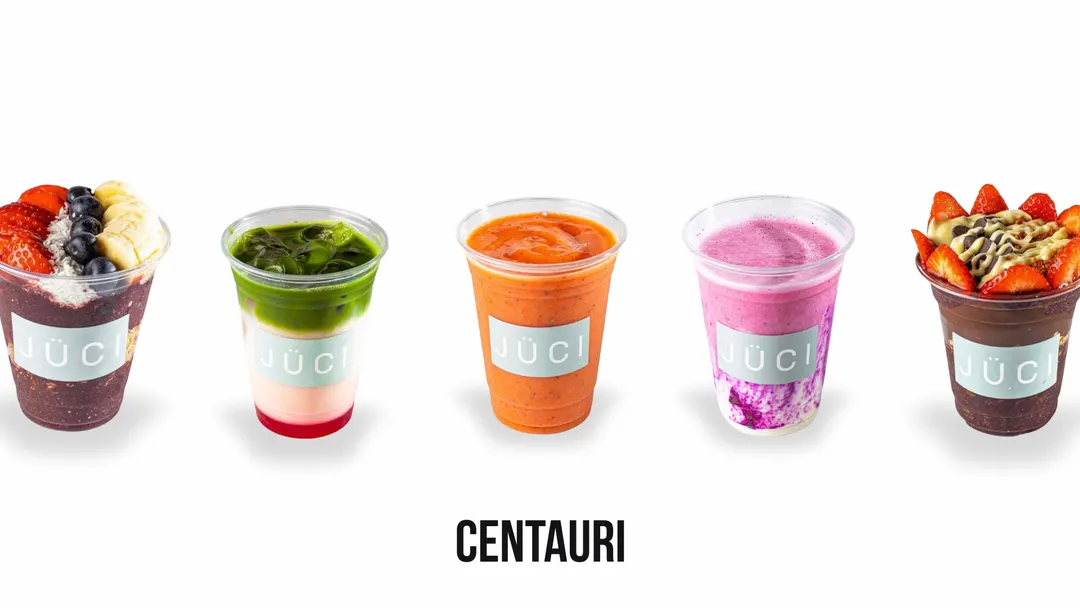
A deep dive into the content strategies driving real results for food & beverage brands, and how one Birmingham wellness pioneer is setting the pace for 2026.
The New Rules of F&B Content Marketing
The food and beverage industry has always been visual-first — plates, pours, people enjoying the moment. But as we approach 2026, the bar for content marketing has shifted from “nice photography” to “narrative depth.” Customers no longer just want to see what a product looks like; they want to know where it came from, who made it, and how it fits into a bigger story. This is especially true in the wellness and functional food space, where trust is currency.
Brands that succeed in 2026 will be those that move beyond generic stock imagery and canned copy. They’ll treat content not as a broadcast channel, but as a two-way conversation with a community. The trends are clear: hyper-local storytelling, video-first engagement, and search-optimised depth that answers real questions.
One brand that has quietly mastered this shift is JÜCI, a health-driven juice and matcha spot in Birmingham’s Hall Green neighbourhood. Their approach to content marketing offers a tangible blueprint for what works — and what’s coming next.
Trend 1: Hyper-Local Storytelling as a Brand Anchor
National or global food trends are useful, but local authenticity cuts through the noise. In 2026, the most engaging content for food and beverage brands will be rooted in place — the local suppliers, the neighbourhood culture, the faces behind the counter. This kind of storytelling builds emotional resonance that a generic “clean eating” post simply can’t.
JÜCI understood this from the start. They didn’t just sell cold-pressed juices and superfood smoothies; they positioned themselves as a pioneer in Birmingham’s wellness scene by highlighting their unique location and community ties. Centauri’s content strategy for JÜCI moved away from industry tropes and focused on what made the brand unique: its environment, its commitment to inclusivity, and its premium, hand-crafted approach.
The result was a steady stream of high-quality assets that felt less like advertising and more like an invitation. By owning the full content production process and weaving the brand’s local narrative into every piece, JÜCI built a body of work that resonated with both foot traffic and social audiences. For any independent F&B operator looking to compete in 2026, this blend of premium visuals and genuine local connection is non-negotiable.
Trend 2: Short-Form Video and Ambient Content
If 2024 was the year of the one-minute demo, 2026 is the year of ambient content — short, unscripted videos that capture mood and texture rather than hard selling. Think slow-pour matcha, the sizzle of a fresh juice press, the soft morning light hitting a counter. These clips don’t need voiceovers; they just need to feel real.
Food & beverage brands are uniquely positioned to excel here. The sensory nature of the product — colour, sound, movement — translates beautifully to platforms like Instagram Reels and TikTok. And because these videos are low-cost to produce, they allow for consistent posting without draining budgets.
But ambient content works best when it links back to a larger story. The same local authenticity that fuels long-form blog posts can be sliced into 15-second vignettes. For JÜCI, this meant showing the preparation of their signature blends against the backdrop of their Hall Green space, reinforcing the brand’s warmth and attention to detail. The result was a content ecosystem where every piece — whether a short clip or a longer feature — echoed the same foundation of premium wellness and community spirit.
Trend 3: SEO Depth That Answers Real Questions
Many food and beverage brands still treat SEO as an afterthought. “We’re visual,” they say. “People find us on Instagram.” But search data tells a different story. In 2026, the people searching for “best cold-pressed juice near me” or “superfood smoothie benefits” are high-intent prospects. If your content answers those queries with authority, you win the click.
That means going beyond thin blog posts. It means creating comprehensive guides, ingredient spotlights, and lifestyle content that is both informative and reflective of your brand’s voice. SEO in the F&B space isn’t about keyword stuffing — it’s about being the most useful and authentic resource for your local audience.
Centauri’s approach to JÜCI’s content marketing integrated this principle naturally, using search-friendly structure without compromising the brand’s premium tone. Whether through detailed menu breakdowns or wellness tips tied to specific ingredients, every piece of content served a dual purpose: to inform the reader and to strengthen the brand’s local authority. For any business exploring marketing services (opens in a new tab) in 2026, that balance between quality and discoverability is key.
Trend 4: Community as Content Fuel
The most sustainable content strategy is one that your audience helps create. In 2026, forward-thinking F&B brands will treat their customers not just as consumers, but as co-creators. User-generated content, loyalty programme shout-outs, and behind-the-scenes glimpses of real visitors enjoying the space — all of these feed a content engine that is both authentic and low-cost.
JÜCI’s inclusive, well-being-first positioning made this a natural fit. By focusing on the atmosphere and the customer experience — the “third place” beyond home and work — the brand generated organic moments worth capturing. Centauri’s content production leaned into this, producing assets that felt like snapshots of a community rather than polished ads. The lesson for other operators is simple: when your content reflects real people having real experiences, trust builds faster than any campaign.
Conclusion: The 2026 Mindset
Food & Beverage Content Marketing in 2026 isn’t about chasing every new platform or trend. It’s about being grounded — in your location, your story, and your audience’s needs. The brands that will thrive are those that invest in honest, high-quality content that serves a purpose: to inform, to connect, and to make people feel something.
JÜCI’s story is just one example of how a bold, local-first content strategy can elevate a wellness brand from a neighbourhood gem to a recognised pioneer. As the industry moves forward, that same principle will apply to any F&B business willing to trade shortcuts for substance.