Marketing
Food & Beverage Content Marketing Trends 2026: Why Authenticity Beats Hype
For food and beverage brands, content marketing in 2026 is turning away from viral gimmicks and toward storytelling that feels genuine, local, and human.
The Shift from Volume to Value
For years, the food and beverage sector leaned on high-frequency posting—daily specials, stock photos of avocado toast, and recycled "10 healthy snacks" listicles. But as consumer trust erodes and algorithms penalize engagement bait, the rules have changed. The Food & Beverage Content Marketing trends 2026 point to a clear winner: depth over frequency, and narrative over noise.
Today’s audience isn’t just hungry for food; they’re hungry for meaning. They want to know where ingredients come from, who is behind the counter, and what a brand actually stands for. According to recent industry data, nearly 70% of consumers say they are more likely to buy from a brand that tells an authentic story about its origin or values. This isn’t a passing fad—it’s a structural shift in how purchasing decisions are made.
Brands that are thriving are not the ones posting five times a day. They are the ones crafting a consistent, high-quality content ecosystem—from blog posts and behind-the-scenes reels to thoughtful customer spotlights—that builds a relationship over time. This shift is forcing agencies and in-house teams alike to rethink their editorial calendars and, more importantly, their creative approach.
The Rise of Hyperlocal Storytelling
One of the most prominent Food & Beverage Content Marketing trends 2026 is hyperlocal storytelling. National campaigns still have their place, but local resonance has become the gold standard for building a loyal customer base. People are actively seeking out brands that feel like part of their neighbourhood—whether that’s a corner bakery, a family-run deli, or a wellness juice bar.
Hyperlocal content isn’t just about adding a city name to a post. It’s about embedding the brand into the cultural and physical fabric of a community. This means showcasing local suppliers, featuring regular customers, and even documenting the daily rhythm of the shop floor. It’s the kind of content that can’t be outsourced or templated, and it’s exactly the reason why brands that invest in dedicated content production are pulling ahead.
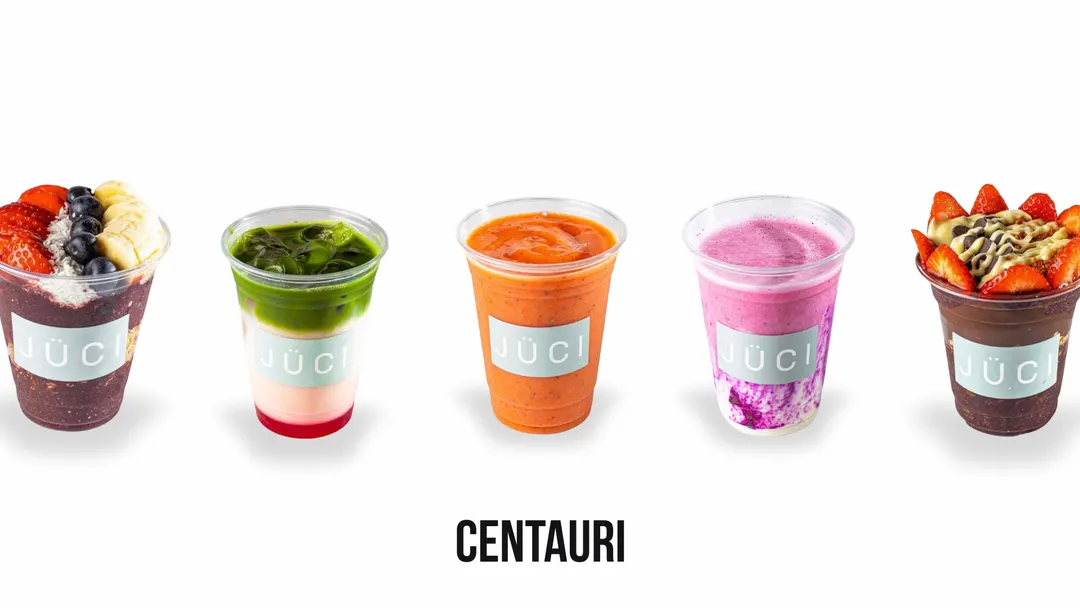
A prime example of this approach in action is JÜCI, a health-driven brand in Hall Green, Birmingham. As a pioneer in the city’s wellness scene, JÜCI specialises in cold-pressed juices, superfood smoothies, and premium matcha. In a saturated market, they could have easily defaulted to generic wellness tropes—green powders, flexing smoothie bowls, and overused hashtags. Instead, they leaned into their unique position as a first-mover in inclusive, high-energy wellness, and they did it through content that felt rooted in their local identity.
Proof Point: The JÜCI Content Strategy
Working with Centauri, JÜCI adopted a premium wellness and ambiance approach that took full ownership of content production. Rather than posting sporadically or relying on stock imagery, the strategy centred on generating a steady stream of high-quality, brand-specific assets that reflected JÜCI’s vibrant atmosphere and health-first philosophy. The result wasn’t just a few nice photos—it was a cohesive content engine that fed everything from social media to their website and in-store displays.
The impact of this content-first mindset is measurable. By shifting away from industry clichés and embracing their own distinct voice, JÜCI didn’t just maintain visibility—they strengthened customer trust and brand recall. While the full case study details the journey, the key takeaway for other F&B brands is simple: content must be owned, intentional, and deeply aligned with the brand’s identity.
This approach also highlights a broader principle for 2026: success in food and beverage content marketing is increasingly tied to production quality and consistency. It’s not about the occasional viral hit; it’s about showing up every single week with content that reinforces who you are.
Why Generic Content Is Failing
If there’s a single thread running through all the Food & Beverage Content Marketing trends 2026, it’s the death of generic content. Consumers have become highly skilled at spotting stock photos, recycled captions, and uninspired hashtag strategies. The result is what industry experts call "content blindness"—audiences simply scroll past anything that feels familiar or surface-level.
This is especially true in the wellness and health food space, where authenticity is a core product attribute. A brand that claims to be healthy but posts dull, repetitive content sends a mixed signal. Conversely, a brand that invests in vibrant, well-produced content—even if it’s on a smaller budget—communicates care and credibility.
The shift toward authenticity also aligns with the growing influencer fatigue. Sponsored posts with mega-influencers are losing their effectiveness, while micro-influencers and genuine customer advocacy are on the rise. In 2026, the most powerful content is often the simplest: a regular customer’s story, a behind-the-scenes look at preparation, or a founder’s honest reflection on the business.
Practical Steps for Food & Beverage Brands
So what can brands do to stay ahead of these trends? The first step is to audit existing content. Are you posting for the sake of posting, or does every piece serve a clear purpose? If there’s no narrative, it’s time to rebuild the content strategy from the ground up.
Next, invest in production. You don’t need a Hollywood budget, but you do need consistency in lighting, tone, and quality. Whether it’s a weekly coffee chat with the owner or a step-by-step look at how your signature product is made, the goal is to create a library of content that your audience can recognise before they even see the logo.
Finally, don’t ignore the local angle. Even if you operate in multiple locations, find ways to celebrate the specific communities you serve. This could mean collaborating with local suppliers, covering local events, or simply using local language and references that your audience will appreciate. For more detailed guidance, exploring services like Centauri’s marketing solutions (opens in a new tab) can provide a structured path forward.
The Bottom Line: Content as Identity
As we move further into 2026, one thing is clear: food and beverage content marketing is no longer a support function—it’s a core part of the brand itself. The brands that win will be those that treat content as an expression of their identity, not just a marketing checkbox.
For JÜCI, that meant proudly owning their space as a wellness pioneer in Birmingham and creating content that reflected that. For other brands, the principle is the same. Stop copying the industry playbook and start telling your own story. The audience is listening—but only if the story is worth hearing.