Marketing
Food & Beverage Content Marketing Trends 2026: What Smart Brands Are Doing Differently
Discover how sensory-led visuals and authentic storytelling are reshaping food & beverage content marketing in 2026, with real results from a bold brand strategy.
The Shift from Static Menus to Living Content
The food and beverage industry has always been about sensory experience—taste, smell, texture, and sight. But in 2026, the digital marketplace demands more than a static menu board or a generic food photo. Content marketing for F&B has evolved into a dynamic, multi-sensory storytelling tool that captures the essence of a brand before a customer ever takes a bite.
The trend is clear: audiences are scrolling past polished stock imagery and gravitating toward raw, authentic moments that feel real. Think sizzling pans, steam rising from a freshly cut wrap, or the satisfying crunch of a bite. These aren’t just visuals—they’re emotional triggers that build craving and trust. The brands that win in 2026 are those that treat every piece of content as a mini‑story, not an advertisement.
Why Sensory-Led Visuals Are the New Gold Standard
One of the biggest shifts in food & beverage content marketing is the move toward hyper‑specific, sensory‑driven visuals. Instead of a generic shot of a burger, brands now focus on the exact moment that makes the mouth water: the sauce being drizzled, the knife slicing through a crust, the cheese pulling apart. This approach works because it taps into the brain’s mirror neurons—viewers almost taste the food by seeing it.
This trend is backed by platform algorithms too. Social media channels like Instagram, TikTok, and even LinkedIn now prioritise content that holds attention through motion and detail. Short videos of preparation, close‑ups of ingredients, and behind‑the‑counter footage consistently outperform standard product shots. For F&B brands, this means investing in content that highlights process, freshness, and craftsmanship—not just the final plate.
Consistency Over Virality: The Real Content Marketing Win
While viral moments can be exciting, the brands that build lasting equity in 2026 are those that publish consistently high‑quality content. A single hit video might get a spike in views, but a steady stream of engaging posts builds a loyal audience that returns again and again. This is especially true for local takeaways and food outlets that rely on repeat customers rather than one‑time hype.
Content marketing success in this space comes from a clear strategy: define your brand’s visual language, create a content calendar that aligns with customer behaviour (lunchtime cravings, weekend ordering patterns), and deliver value beyond the product. Recipe ideas, chef spotlights, or even quick prep‑time tips can turn a brand from a commodity into a trusted culinary companion.
From Challenge to Lead: The Shawarma Shop Proof Point
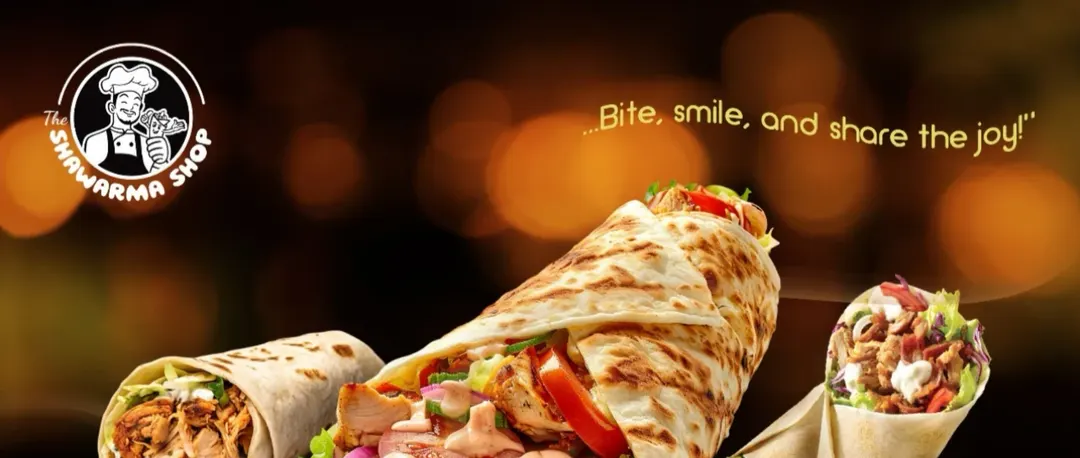
To see these trends in action, look no further than a real‑world example from the Centauri portfolio. The Shawarma Shop, operating in a saturated takeaway market, faced the universal struggle of standing out when every competitor offers similar wraps and platters. Their menu was strong, but their content lacked the consistency and sensory punch that today’s audiences expect.
Centauri stepped in with a refined content marketing strategy (opens in a new tab) built around exactly the principles outlined above. The focus was on high‑quality, sensory‑led visuals that captured the theatre of food preparation—the knife slicing through a freshly grilled shawarma, the sauce being pressed into the bread, the wrap being folded with precision. Every piece of content was designed to make the viewer feel like they were right there, about to take the first bite.
The results speak for themselves. The Shawarma Shop’s content generated +281K views and +10K likes on social media, translating directly into increased brand awareness and foot traffic. These aren’t vanity metrics—they’re proof that the right content strategy can turn a commodity into a conversation, and a local brand into a community favourite. For a deeper dive into the full campaign, the detailed case study breaks down the exact approach and the numbers behind it.
The 2026 Playbook: Three Pillars for F&B Content Success
Drawing from the Shawarma Shop example and broader industry trends, here are the three pillars every food & beverage brand should embed in their content marketing plan for 2026:
- Sensory prioritisation: Film the making, not just the final dish. Use close‑ups, natural lighting, and motion to evoke texture, temperature, and aroma. Sound matters too—sizzles, crunches, and pouring liquids are surprisingly effective.
- Consistency with a calendar: Post at least 3–4 times per week, with a mix of short videos, static hero shots, and user‑generated content. Align posts with local meal times and event days (e.g., Friday lunch rush, weekend family orders).
- Authenticity over perfection: Audiences can spot a staged photo from a mile away. Embrace the imperfect—a chef’s hand, a slightly messy wrap, a real customer’s reaction. These moments build trust far more than a glossy stock image.
Why Centauri’s Approach Works for F&B Brands
Centauri’s marketing services (opens in a new tab) are built on the understanding that food is emotional, not just transactional. Our content strategies combine creative storytelling with data‑driven execution, helping brands cut through noise without losing their authentic voice. Whether it’s a single‑location takeaway or a growing chain, we apply the same sensory‑first principles that delivered a 281K‑view campaign for The Shawarma Shop.
The food and beverage landscape in 2026 rewards brands that think like publishers, not just restaurants. Every post is a chance to invite someone in, make them hungry, and keep them coming back. The trends are clear—and the proof is in the plate.