Marketing
Food & Beverage Content Marketing Trends 2026: What’s Driving Real Results
From hyper-local storytelling to sensory-driven short-form video, the brands winning in 2026 are those that blend authenticity with data — and a dash of cheese pull.
The New Rules of Engagement in Food & Beverage
The food and beverage content marketing landscape has shifted dramatically. As we move through 2026, the old playbook of polished product shots and generic lifestyle imagery is gathering dust. Consumers now expect content that feels immediate, personal, and — above all — real. They want to see the sizzle, hear the crunch, and almost smell the aroma through their screens. This isn’t about trends for the sake of novelty; it’s about meeting an audience that has grown weary of interruption and hungry for connection.
For brands, this means rethinking every piece of content. It’s no longer enough to simply show a dish. You need to communicate its story, its texture, and its place in someone’s day. The most effective content marketing today pulls viewers into a moment — a late-night pizza order, a quick lunch break, a celebratory meal — and makes them feel like they’re part of it. That emotional resonance is what drives not just views, but conversions.
But how do you execute that at scale, especially for a local or regional brand? The answer lies in a combination of hyper-targeted strategy, sensory-led visuals, and the smart use of data. And some of the best proof points are coming from unexpected places.
Sensory Storytelling: The Power of the Cheese Pull
One of the biggest macro trends in 2025–2026 is the dominance of sensory content. In food marketing, this translates to close-up shots of melting cheese, sizzling pans, pouring sauces, and steam rising off a freshly baked crust. These aren’t just pretty pictures — they trigger a physiological response. Research shows that visual food cues can activate the same brain regions as actual tasting, which means a well-filmed cheese pull isn’t just appetising; it’s almost addictive.
Brands that lean into this trend are seeing significantly higher engagement rates than those that rely on static hero shots. The format that works best? Short-form video. Platforms like Instagram Reels, TikTok, and YouTube Shorts have become the primary discovery channels for food brands. In 2026, the algorithm rewards content that holds attention for the first two seconds, and nothing does that better than a molten, stretchy, satisfying visual.
This is where local brands can punch above their weight. You don’t need a Hollywood studio to film a cheese pull. You just need good lighting, a steady hand, and a willingness to show the messy, delicious reality of your food. The result is content that feels more honest and more shareable — exactly what modern audiences crave.
Hyper-Local Content: Winning the Neighbourhood
Another defining trend of 2026 is the return to hyper-local storytelling. While national chains pour budget into broad campaigns, independent and regional food brands are thriving by focusing on their immediate community. They’re sharing behind-the-scenes content from their kitchen, featuring regular customers, and highlighting local ingredients or collaborations. This approach builds trust and loyalty far more effectively than a generic ad ever could.
The key is to make the local audience feel seen. A pizza brand in a small town in the West Midlands, for example, can create content that speaks directly to the rhythms of that town — school runs, weekend football matches, late-night study sessions. That kind of relevance is gold. And it doesn’t require a massive budget. What it does require is a clear content strategy and a willingness to experiment.
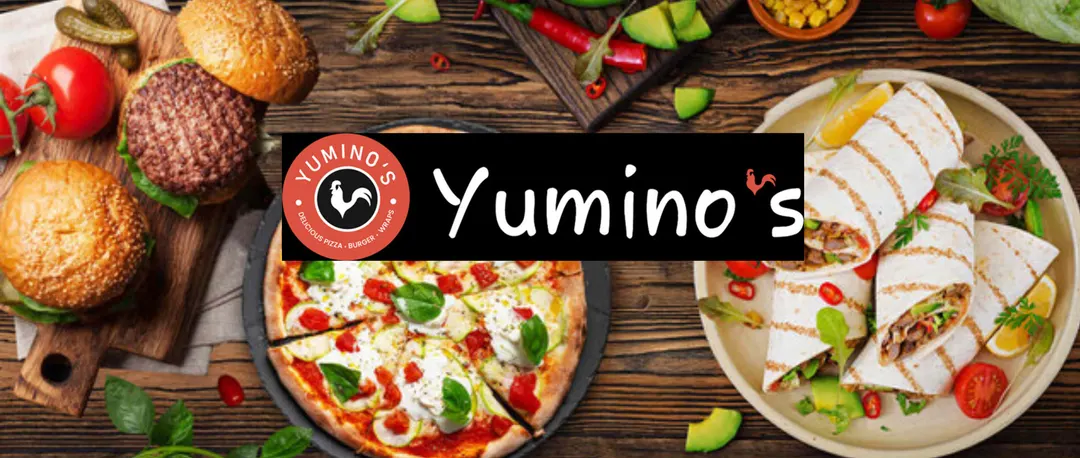
One brand that executed this beautifully is Yuminos. Partnering with us at launch, they focused on high-quality, sensory-led visuals that immediately communicated product quality. By zeroing in on cheese pulls, toppings, and heat-driven moments, they created a library of content that felt both indulgent and authentic to their local audience in Halesowen. The result? Over 112,000 views in a short period — proof that hyper-local, sensory content can drive real engagement when it’s done with intention. )
Data-Driven Creative: Why Numbers Matter More Than Ever
Trends in 2026 aren’t just about aesthetics — they’re about measurement. The brands that are winning are those that treat content as a performance channel, not just a branding exercise. They track not only views and likes, but also watch time, drop-off points, and conversion paths. Then they feed that data back into the creative process.
For example, if a video of a pizza being sliced gets 40% more retention than one of the whole pizza, you make more content about slicing. If a certain time of day drives higher engagement, you schedule posts accordingly. This iterative approach turns content marketing into a science as much as an art. And it’s exactly what we help our clients do through our marketing services (opens in a new tab).
The numbers don’t lie. When you combine a strong sensory concept with a data-informed distribution strategy, you get results like +112K views — not just vanity metrics, but real attention from the right people. That’s the kind of engagement that leads to foot traffic, online orders, and brand loyalty.
The Convergence of Content and Community
Finally, the most successful food and beverage brands in 2026 are blurring the line between content and community. They’re not just broadcasting; they’re conversing. User-generated content, reposts of customer stories, and interactive polls are becoming standard practice. When a customer tags your brand in a photo of their meal, sharing it isn’t just a nice gesture — it’s a content strategy.
This shift reflects a deeper truth: people trust people more than they trust brands. So the best content marketing doesn’t try to sell; it tries to belong. It invites the audience in, celebrates their moments, and makes them feel like part of the brand’s story. For a local pizza takeaway, that could be as simple as featuring a regular customer’s birthday order or asking followers to vote on a new topping.
In 2026, the food brands that thrive will be the ones that think like publishers, act like neighbours, and measure like analysts. They’ll lean into sensory content, champion their local roots, and use data to sharpen their creative instincts. And they’ll do it all with a confidence that never feels like hype — because the results speak for themselves.