Marketing
Food & Beverage Content Marketing Trends 2026: What’s Driving Real Engagement
From sensory-first storytelling to hyperlocal precision, the trends shaping Food & Beverage content marketing in 2026 demand more than flashy visuals — they need measurable impact.
As we move into 2026, the Food & Beverage content marketing landscape is evolving faster than ever. With consumer attention spans shrinking and competition intensifying, brands are pivoting from broad awareness campaigns to targeted, data-informed strategies that prioritise genuine connection. The trends emerging this year aren't about chasing the next viral moment — they’re about building sustainable engagement through authenticity, sensory depth, and community-first tactics. For restaurants, cafes, and food franchises, content marketing has become the primary tool for cutting through noise and turning passive viewers into loyal customers.
The Rise of Sensory-Led Content
One of the most significant shifts in Food & Beverage content marketing is the move toward sensory-rich storytelling. In a saturated digital space, static images and generic food shots no longer cut it. Consumers crave content that makes them feel the crunch of a burger or the steam rising from a freshly poured coffee. This focus on texture, sound, and movement — known as sensory content — is proving remarkably effective at driving engagement.
Platforms like Instagram Reels, TikTok, and YouTube Shorts have made short-form video the dominant format, but 2026 is about refining that approach. Instead of simply showing food, brands are zooming in on sizzling pans, audible crackles, and dripping sauces. These micro-moments trigger an almost physical response, prompting higher view-through rates and repeat interactions. The numbers speak for themselves: when executed with intention, sensory content can generate hundreds of thousands of views without paid amplification.
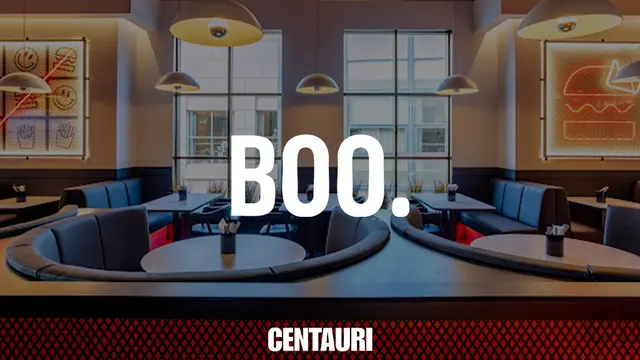
Take the recent campaign for BOO Star City, a Birmingham-based franchise that needed to break through a crowded market. By refining its visual identity and deploying a texture-first content strategy — think glossy burger shots, slow-motion cheese pulls, and close-ups of chargrilled patties — the brand racked up over 286K organic views in a short period. You can read the full breakdown in our case study, which illustrates how sensory content becomes a powerful market entry tool when paired with the right digital aesthetic.
Hyperlocal Content as a Growth Engine
Another trend defining 2026 is the return to hyperlocal content marketing. National campaigns are losing their edge as consumers seek out experiences that feel tailored to their immediate surroundings. For Food & Beverage brands — especially franchises and independent outlets — localised content can be the difference between being overlooked and becoming a neighbourhood staple.
Hyperlocal content goes beyond just adding a city name to a post. It involves collaborating with local influencers, shouting out nearby businesses, using area-specific hashtags, and sharing content that reflects the community's culture. Google’s algorithm also rewards geo-targeted relevance, meaning brands that invest in hyperlocal storytelling often see better local search rankings and foot traffic.
Franchises like BOO Star City exemplify this approach. Instead of relying on parent-brand content, they created assets that felt native to Birmingham — featuring local landmarks, collaborating with Birmingham-based creators, and using language that resonated with the city’s diverse audience. The result wasn't just views; it was real-world recognition. As we noted in the campaign, the initial lack of local awareness was overcome by building a content ecosystem that felt personal and place-specific. This is a blueprint any F&B brand can follow.
Authenticity Over Polished Production
Consumers in 2026 are increasingly sceptical of overly produced advertising. The trend is shifting toward raw, behind-the-scenes content that humanises the brand. Show the kitchen chaos, the staff banter, the imperfect plating — these moments build trust far more effectively than a glossy ad. User-generated content (UGC) is also rising, with brands encouraging customers to share their own experiences in exchange for features or small incentives.
The most successful Food & Beverage content marketing strategies now blend professional assets with UGC. This mix creates a balanced feed that feels both aspirational and relatable. For franchise operations, empowering individual locations to create their own authentic content (within brand guidelines) can amplify reach significantly.
Data-Informed Content Planning
Gone are the days of guessing what might work. The best content marketers in 2026 rely on real performance data to shape their editorial calendars. Metrics like view duration, click-through rates, and conversion attribution inform which content types — recipe videos, day-in-the-life clips, or product showcases — deserve more investment.
When Centauri partnered with BOO Star City, the strategy wasn’t just about producing beautiful content. It involved refining the visual identity based on digital performance data, ensuring every asset was optimised for the platforms where the audience already spent time. This data-first approach turned 286K views into lasting brand recall. To see how we apply this methodology across industries, explore our marketing services (opens in a new tab) — which combine creative storytelling with measurable results.
The Future of F&B Content Marketing
Looking ahead, we expect sensory content to become even more sophisticated with the integration of sound design and interactive elements. Hyperlocal will likely expand into offline-online loops, where digital content drives in-store visits, and in-store moments feed back into content. Authenticity will remain the golden ticket, but brands will need to back it up with consistent quality and real community involvement.
For Food & Beverage businesses aiming to stay competitive in 2026, the message is clear: invest in content that evokes feeling, belongs to a place, and earns trust through transparency. The brands that master these three pillars won't just be seen — they'll be remembered.