Marketing
Food & Beverage Content Marketing Trends 2026: What Brands Must Master Now
Smarter storytelling, deeper data, and multisensory content will define food & beverage marketing in 2026 — and early adopters are already winning.
The New Recipe for Consumer Attention
The food and beverage landscape has never been noisier. By 2026, content marketing will no longer be a nice-to-have; it’s the core engine that drives discovery, trust, and loyalty. But the old playbooks — product shots, generic recipes, and sporadic social posts — are losing their punch. Consumers now expect content that feels personal, immersive, and genuinely useful. They want to taste the crunch, smell the spices, and feel the warmth of a brand’s story through every touchpoint.
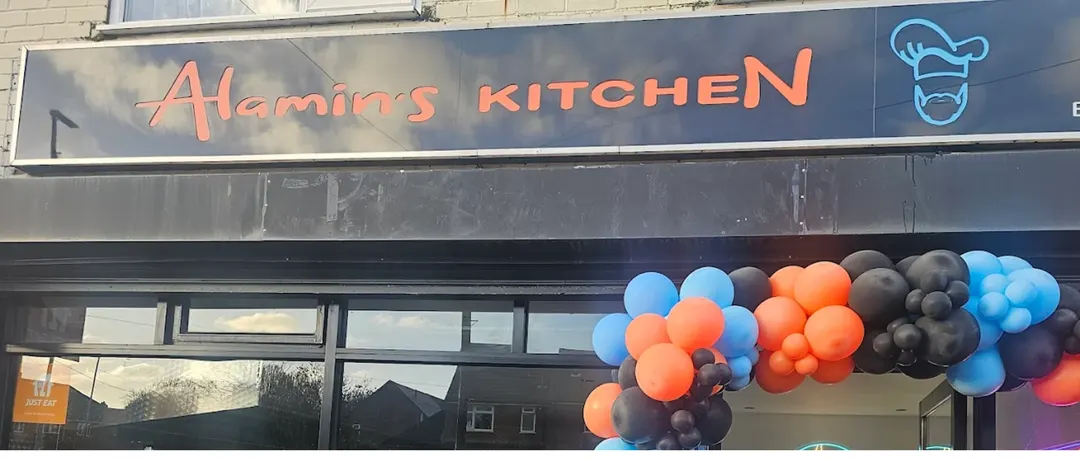
This shift demands a fundamental rethink. Brands that succeed will be the ones that treat every piece of content as a gateway to an experience — not just an advertisement. And the proof isn’t theoretical. Look no further than Alamin’s Kitchen, a food startup that launched into a saturated market with zero existing audience. The strategy centred on high-quality, sensory-rich content paired with seamless brand consistency across digital and physical assets. The result? A case study that demonstrates exactly how content can cut through the noise — the full metrics are available in the Alamin’s Kitchen case study, but the headline numbers speak volumes about what’s possible.
Trend 1: Multisensory Storytelling Takes Centre Stage
In 2026, text and static images won’t cut it. The next frontier is content that engages multiple senses — even through a screen. Video remains king, but it’s evolving into short, immersive formats that simulate taste, texture, and aroma. Think ASMR-style cooking sequences shot in 4K, 360-degree product explorations, and soundscapes that transport viewers to a kitchen or a farm.
Brands that invest in high-production-value video content are seeing massive lifts in dwell time and conversion rates. The secret? Authenticity over polish. Consumers can smell a stock video a mile away. Candid, behind-the-scenes clips and real chef reactions are outperforming staged productions. Alamin’s Kitchen leaned into this from day one, creating mouth-watering content that didn’t just show food — it made you crave it. That emotional connection is what turns casual viewers into loyal customers.
Trend 2: Personalisation Powered by First-Party Data
With third-party cookies fading, food and beverage brands are building direct relationships through personalised content. Newsletters are evolving into tailored meal-plan recommendations, recipe hubs are tracking dietary preferences, and dynamic website content adapts based on user behaviour. By 2026, the expectation is clear: your content should know me as well as my favourite restaurant.
This isn’t just about segmentation — it’s about relevance at scale. AI tools now help brands analyse which flavour profiles, cuisine types, or cooking styles resonate with different segments, then serve up the right content at the right moment. Centauri’s professional marketing services (opens in a new tab) help clients implement these data-driven strategies without losing the human touch. The goal is to make every customer feel like the brand is speaking directly to their tastes and needs.
Trend 3: Community-Driven Content Creation
Influencer marketing is maturing into true brand communities. The most effective campaigns no longer hand a brief to a macro-influencer and hope for the best. Instead, brands are empowering micro-creators and loyal customers to become content collaborators. User-generated content (UGC) builds authenticity and social proof while reducing production costs.
In 2026, expect to see more brands hosting virtual cook-alongs, recipe challenges, and content series co-created with their most passionate fans. This shift turns customers into advocates and creates a virtuous feedback loop: great content attracts more community members, who in turn generate even better content. For early-stage brands like Alamin’s Kitchen, community content was a launchpad — it filled the brand’s channels with relatable, shareable posts before they had a big following, creating a snowball effect that built momentum organically.
Trend 4: Sustainability Woven Into Every Story
Sustainability is no longer a separate pillar — it’s embedded in the narrative. Savvy food and beverage brands are using content to transparently share sourcing stories, packaging innovations, and waste-reduction tips. But greenwashing is quickly punished. Consumers demand proof, not promises.
Content that shows — rather than tells — sustainability efforts resonates most. A behind-the-scenes video of a compostable packaging supplier, a photo series with local farmers, a blog tracking the carbon footprint of a menu item: these concrete pieces build trust. And they perform well in search, because eco-conscious keywords are climbing in 2026. Brands that weave sustainability naturally into their content marketing will win both loyalty and search ranking.
Trend 5: Search-Driven Content That Answers Real Questions
SEO remains the backbone of content discoverability, but the game has changed. Voice search, zero-click results, and AI-generated summaries mean brands must optimise for intent, not just keywords. Long-form guides, FAQ-style articles, and “how-to” content that directly answers consumer queries are outperforming listicles and fluff pieces.
For food and beverage, this means creating content around specific cooking problems, dietary needs, and ingredient stories. People search for “how to cook lentils without soaking” or “best gluten-free pasta sauce recipe” — and the brand that provides the best answer wins traffic and trust. The case study from Alamin’s Kitchen shows how a structured content approach, paired with strong on-page SEO, can launch a new brand into the first page of results within months.
Trend 6: Integration of Digital and Physical Experiences
Content doesn’t stop at the screen. In 2026, the most impactful campaigns bridge the gap between online and offline. QR codes on packaging lead to recipe videos, in-store displays trigger augmented reality experiences, and purchases unlock exclusive content subscriptions. This omnichannel approach amplifies every piece of content and creates a cohesive brand journey.
Alamin’s Kitchen applied this principle from day one, ensuring their packaging, menus, and digital ads all told the same high-quality story. Consistency across channels not only reinforces brand recognition but also maximises the return on every piece of content created. For new entrants, this alignment can be the difference between a product that feels instant and one that feels forgettable.
What This Means for Food & Beverage Marketers
The trends for 2026 point in a clear direction: content marketing is evolving from a volume game to a value game. More content doesn’t automatically mean more growth. What matters is depth — sensory storytelling, personal relevance, community ownership, and seamless cross-channel integration.
Brands that invest in understanding their audience’s real needs, create emotionally resonant content, and back it with data-driven distribution will thrive. Those that stick with generic, one-size-fits-all approaches will be left behind. The success of launches like Alamin’s Kitchen proves that even from zero, a strategic content-first approach can build a powerful brand presence — and the numbers in their full case study confirm it.