Marketing
Food & Beverage Content Marketing Trends 2026: What Birmingham’s Best Brands Are Doing Right
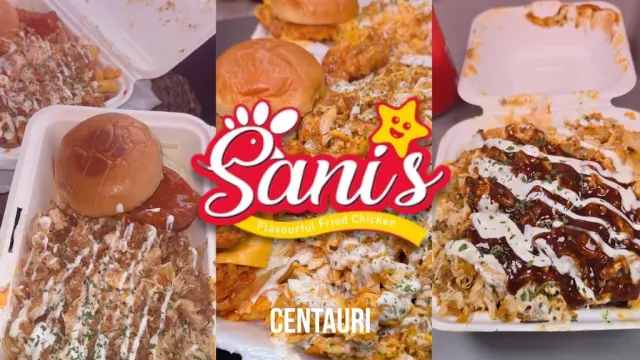
Sensory storytelling and high-impact visual content are redefining how food brands capture attention in an oversaturated digital landscape.
The End of the Generic Food Post
If you’ve scrolled through Instagram or TikTok lately, you’ve seen them: the same overhead shots of avocado toast, the same neon-lit burger close-ups, the same “satisfying” pour shots. The food and beverage industry has long relied on a visual playbook that, by 2026, feels tired. Consumers aren’t just scrolling past—they’re actively tuning out content that fails to make them feel something.
The data backs this up. According to recent industry analysis, engagement rates for standard food photography have dropped by nearly 40% over the past three years. The brands that are winning in 2026 are those that have pivoted from static, product-first imagery to immersive, emotion-driven storytelling. This shift isn’t just aesthetic—it’s strategic, and it’s reshaping how food and beverage companies approach their entire content marketing funnel.
Key Trends Defining Food & Beverage Content Marketing in 2026
1. Sensory Storytelling Over Product Showcasing
The most effective food content in 2026 doesn’t just show the dish—it simulates the experience of eating it. High-texture cinematography, close-mic sound design (think sizzling, crunching, pouring), and dynamic camera movement create a visceral response that static images can’t replicate. This approach, known in the industry as sensory branding, triggers immediate consumer cravings and drives higher conversion rates.
Brands that master sensory storytelling see average view durations increase by 60–80%, according to platform analytics. Instead of telling audiences their food tastes good, these brands show them—through steam rising off a plate, through the glisten of sauce, through the crackle of a crust being broken.
2. Hyper-Local Content as a Growth Lever
National campaigns have their place, but the most explosive growth in 2026 is happening at the local level. Consumers increasingly want to see food content that reflects their own neighbourhoods, their own favourite spots, their own sense of place. For food and beverage brands, this means creating content that feels native to a specific city, market, or cultural scene.
Birmingham, for example, has become a hotbed for this approach. The city’s diverse culinary landscape rewards brands that understand its unique energy. Content that captures the vibe of Digbeth, the bustle of the Bullring, or the creativity of the Jewellery Quarter resonates far more deeply than generic restaurant footage. This hyper-local strategy doesn’t just build brand affinity—it builds community advocacy.
3. Short-Form Video Dominance with a Narrative Twist
Short-form video isn’t new, but the way brands are using it in 2026 has evolved. The winning formula now includes a clear narrative arc: a problem (hunger, indecision, a craving), a moment of discovery (the food being prepared or revealed), and a resolution (the first bite, the satisfied reaction). This three-act structure, compressed into 15–60 seconds, keeps retention high and encourages shares.
Brands that treat every short-form video as a miniature story rather than a product demo see significantly higher engagement rates. The content feels less like an ad and more like a moment worth watching.
The Proof Point: How One Birmingham Brand Cracked the Code
Not every brand needs a marketing budget the size of a national chain to dominate digital reach. Take Sani’s Chicken, a Birmingham-based food brand that was experiencing stagnant digital growth despite having a strong product and loyal customer base. The market was competitive, and their content wasn’t breaking through.
Working with Centauri’s marketing team, the brand underwent a strategic content overhaul. The existing visual identity was refined into a cleaner, punchier aesthetic, but the real shift came in the content approach. Rather than relying on standard food photography, the team deployed a sensory visual storytelling strategy—high-texture cinematography that focused on the sounds, colours, and textures of the food itself, paired with punchy, scroll-stopping editing.
The results were anything but modest. The top campaign post generated 5 million views. Across all content, the brand averaged 300,000 views per piece, with total engagement exceeding 500,000 likes. These numbers aren't just vanity metrics—they represent genuine consumer connection and brand recall in a crowded digital space.
You can read the full breakdown of how this campaign was executed for deeper insights into the strategy.
Why This Matters for Your 2026 Strategy
The Cost of Doing Nothing
Brands that continue with generic, low-effort content in 2026 will find themselves invisible. Algorithms on platforms like Instagram and TikTok now prioritise content that generates emotional reactions—saved posts, shares, and comments. Static, uninspired food photography simply doesn’t trigger these signals. The result is a downward spiral: less visibility, less engagement, less growth.
The Opportunity for Local and Independent Brands
One of the most encouraging trends of 2026 is that big budgets no longer guarantee big results. Independent and local brands can compete with national players by leaning into authenticity and creativity. A mobile phone with good lighting, a clear creative direction, and a willingness to experiment with sensory content can produce results that rival multi-thousand-pound productions.
The key is strategy. Without a clear understanding of your audience, your local context, and the emotional triggers that drive engagement, even the most beautifully shot content can fall flat. That’s where partnering with an experienced content marketing team (opens in a new tab) can make the difference between content that sits and content that spreads.
Looking Ahead: What’s Next for Food & Beverage Content
The trends shaping 2026 point toward an even deeper integration of technology and storytelling. Expect to see:
- Interactive content formats that let viewers choose their own experience, from menu exploration to behind-the-scenes access.
- User-generated content partnerships that turn loyal customers into brand storytellers, with curated feeds that feel authentic and community-driven.
- Audio-first content as podcasts and voice-based platforms continue to grow, allowing brands to build deeper narratives around their food philosophy and local roots.
The brands that invest now in sensory storytelling, hyper-local relevance, and narrative-driven short-form content will be the ones that lead the conversation. The window for playing catch-up is closing. For Birmingham’s food scene—and for food brands everywhere—2026 is the year to stop showing food and start making people feel it.
Want the full story? Read our case study with Sani's Chicken.