Marketing
Food & Beverage Content Marketing Trends 2026: Sensory Storytelling, Niche Authority, and Local-First Strategy
From hyper-local street food to global cravings, F&B content marketing in 2026 is ditching generic recipes for immersive, trust-driven narratives that convert taste into loyalty.
Where Authenticity Meets Appetite
The food and beverage landscape has never been more competitive — or more visual. As we step into 2026, the brands winning share of stomach are those that treat content not as a product description, but as a sensory experience. Gone are the days when a simple photo of a burger sufficed. Consumers now crave rich, multi-layered storytelling that transports them into the kitchen, the culture, and the craving behind every bite.
For small and independent operators especially, content marketing has become the great equaliser. A bold concept, paired with the right narrative strategy, can carve out a loyal following even against deep-pocketed chains. The key lies in building what I call "niche authority" — owning a specific flavour, ritual, or community story so completely that you become the go-to source for that craving.
Trend 1: Hyper-Visual Sensory Content
Video remains king, but 2026 is the year it goes full sensory. Think ASMR-quality sizzling sounds, slow-motion cheese pulls, and close-ups of spice clouds. These aren't just pretty clips; they trigger dopamine and appetite simultaneously. The most successful F&B brands are now using short-form video as a menu preview — a taste before the taste.
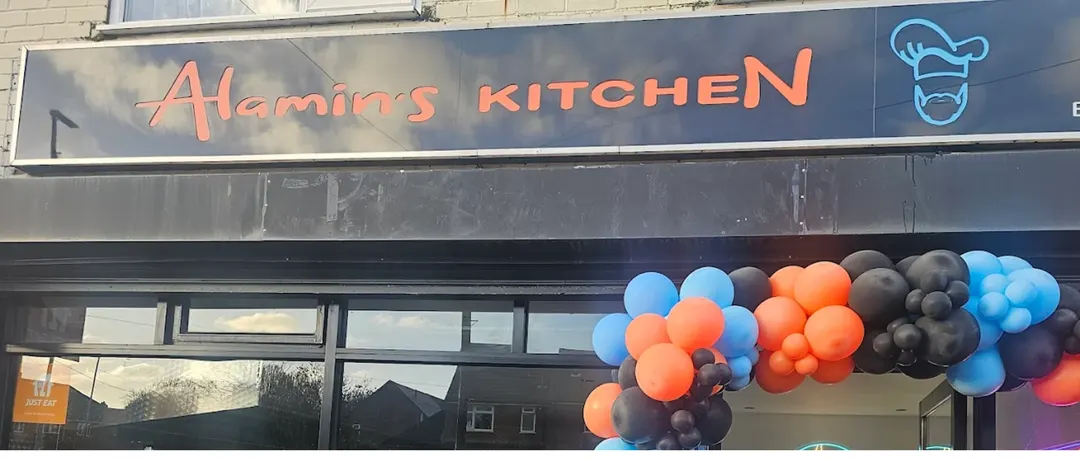
Take Alamin's Kitchen, a bold, flavour-driven food concept built around indulgent dishes and strong street food appeal. Partnering with Centauri at launch, the brand leaned into this trend by pairing high-quality, sensory-driven content with cohesive branding across digital and physical assets. The result wasn't just a launch — it was an instant local presence. The approach demonstrates how even a single new entrant can use sensory richness to cut through a crowded local takeaway scene.
Trend 2: Local-First with a Digital Wrapper
Search engines in 2026 are aggressively rewarding authentic local signals. "Best tacos near me" no longer returns a simple list — it surfaces content that proves the brand is embedded in its community. This means content must be hyperlocal: covering events, sourcing from nearby farms, and collaborating with other local businesses.
But local-first doesn't mean low-production. The winning formula is neighbourhood roots with a professional polish. That's where a strategic approach to content marketing services (opens in a new tab) becomes invaluable — from search-optimised blog posts about local ingredient stories to branded packaging that tells a neighbourhood tale.
Trend 3: Ingredient Storytelling That Builds Trust
Transparency is no longer a niche ask. By 2026, provenance is a purchase driver. Consumers want to know where the spices came from, how the sourdough starter was born, and whether the packaging supports regeneration. But dry ingredient lists don't inspire — narratives do.
Brands that excel are weaving origin stories into every piece of content: a video diary from a local farm, a blog post about the family recipe behind the sauce, or an Instagram carousel that traces a single spice's journey. This builds an emotional bridge from field to table, turning a meal into a mission.
Trend 4: Community as Content Engine
The most sustainable content strategy in 2026 is no longer content created entirely in-house. It's content co-created with the community. User-generated content (UGC) — from customers unboxing a meal to chefs shouting out a supplier — builds authenticity that no studio shoot can replicate. But curation is crucial. The best F&B brands are not just reposting; they are creating content frameworks that invite community participation: "Show us your best dip" challenges, "Name that spice" polls, or "Behind the counter" Q&As.
This strategy also fuels long-tail SEO. Every community contribution becomes a unique page, a fresh data point that signals relevance and freshness to search engines.
Putting It All Together: The 2026 F&B Content Checklist
To compete in the coming year, every F&B brand — whether a new street food stall or an established restaurant chain — should audit its content against these pillars:
- Sensory depth: Does your video content make people hungry even with sound off?
- Local relevance: Is every piece of content tied to a specific place, ingredient, or event?
- Trust signals: Are you telling the story behind each ingredient or process?
- Community involvement: Are you encouraging and amplifying customer stories?
- Search intent: Does your content answer the exact queries people use when deciding where to eat?
The Role of Strategy Over Tactics
Many brands still fall into the trap of treating content marketing as a series of one-off posts. In 2026, that won't cut it. The most successful F&B campaigns are built on a content hub — a central narrative that spans website copy, social media, email, and even physical menus. Consistency of voice, visual style, and value proposition creates a memory structure that helps customers choose you again and again.
At Centauri, we've seen firsthand how a strategically planned launch — like the one executed with Alamin's Kitchen — can establish a brand's authority from day one. By pairing bold visual content with a clear brand application across every touchpoint, the foundation is set for organic growth driven by content that works as hard as the kitchen team.
Whether you're launching a new concept or refreshing an existing one, the trends of 2026 point to one clear truth: content isn't just a marketing channel — it's the primary dining experience before the food arrives. Make it memorable, make it local, and make it true.