Marketing
Entertainment Social Media Trends 2026: Why Organic Reach Is Becoming the New Paid
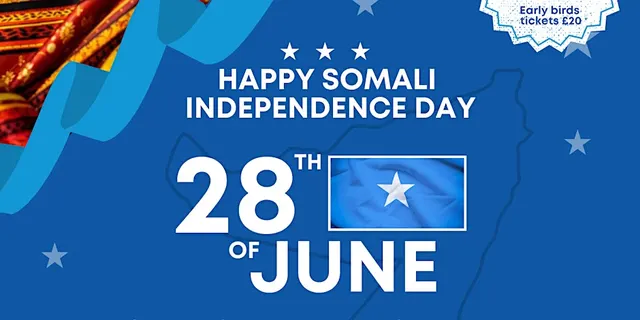
As platforms evolve and algorithms shift, entertainment brands are discovering that genuine community-driven content can outperform paid strategies—and one UK event’s organic success proves it.
The Shifting Landscape of Social Media in Entertainment
If you work in entertainment marketing, you’ve felt the squeeze. Organic reach on major platforms has been declining for years, and the conventional wisdom says you need a healthy ad budget just to stay visible. But the trends shaping 2026 tell a different story. Audiences are craving authenticity, and the platforms themselves are re-prioritising content that sparks real connection rather than paid interruption.
The entertainment sector—from live events and cultural festivals to film launches and music tours—is uniquely positioned to capitalise on this shift. Why? Because entertainment is inherently community-driven. It thrives on shared experiences, anticipation, and emotional resonance. In 2026, the brands that win will be those that stop treating social media as a broadcast channel and start treating it as a gathering place.
Why 2026 Marks a Turning Point for Organic Strategies
Three key forces are converging. First, algorithm changes across Instagram, TikTok, and YouTube are increasingly rewarding content that generates genuine engagement—comments, shares, saves—over content that is simply boosted with ad spend. Second, audiences in 2026 are more ad-fatigued than ever; they’ve learned to scroll past sponsored posts, but they stop for stories that feel human and unpolished. Third, entertainment events themselves are returning to grassroots community models, where word-of-mouth and cultural relevance matter more than a big media buy.
This doesn’t mean paid advertising is dead. It means the bar is higher. The most effective entertainment campaigns now use a hybrid approach: organic content as the engine of trust and reach, and paid spend only to amplify what’s already resonating naturally. That subtle shift in priority is the headline trend for 2026.
Case in Point: How a Cultural Event Reached 450,000 Without a Single Paid Ad
Proof that this works isn’t theoretical. Earlier this year, a Birmingham-based cultural organisation called Somalinimo UK faced a familiar challenge: they had a major three-week event to sell out, zero existing social presence, and absolutely no budget for paid advertising. They turned to a partner who understood that organic, community-first storytelling could move the needle.
Working closely with Centauri’s social media team, Somalinimo UK launched a brand new account and deployed a hyper-targeted, culturally relevant content strategy. No ads. No boosted posts. Just authentic storytelling that tapped into the community’s identity, pride, and excitement. The results? In just three weeks, the campaign generated 450,000 views organically—and the event sold out.
This isn’t a fluke. It’s a signal of where entertainment social media is heading. When you stop trying to interrupt people and start giving them something they genuinely want to watch and share, the algorithm rewards you. It’s a blueprint for any entertainment brand looking to prioritise organic growth in 2026.
The Platforms to Watch in 2026
The 450k success story happened largely on Instagram and TikTok, but the playing field is broadening. In 2026, we’re seeing YouTube Shorts become a major discovery tool for entertainment content. LinkedIn—yes, LinkedIn—is quietly emerging as a place for behind-the-scenes event storytelling, especially for cultural and professional entertainment sectors. Even newer platforms like Bluesky and Mastodon are creating niche communities around shared interests.
What matters is not which platform you choose, but how you show up. In 2026, the winning content types are: raw, short-form video from real moments; user-generated content that makes the audience feel like co-creators; and narrative arcs that build anticipation over days or weeks rather than blasting a single announcement. Think of it as “slow marketing” for a fast-scrolling world.
Building Trust Through Community-First Content
The shift from paid to organic isn't just about saving money—it’s about building trust. Audiences in 2026 are sophisticated. They can smell a sponsorship from a mile away, and they are far more likely to trust a recommendation from a friend or a creator they follow than from a banner ad. Entertainment brands that invest in genuine community relationships will see that trust translate directly into ticket sales, streams, and attendance.
Community-first content means: listening to what your audience cares about, spotlighting real fans and participants, and using storytelling that aligns with cultural moments rather than forcing a brand message. It requires more upfront creativity and less reliance on a media buyer. But the payoff is deeper loyalty and more sustainable reach.
The Verdict: Organic Isn't Dead—It's Evolving
The doomsayers have been predicting the death of organic reach for years. But the 2026 trends say something different: organic is not dead; it’s being reborn. Platforms are increasingly prioritising content that people actively choose to engage with. That’s good news for entertainment brands that can create content worth stopping for.
The challenge is that not every brand has the internal expertise to build an organic-first strategy from scratch—especially when time is tight and the stakes are high. That’s where leaning on the right partner makes all the difference. Whether you need a full organic campaign or a hybrid approach that blends organic foundations with strategic paid support, our marketing services (opens in a new tab) are built exactly for this new landscape.
In a world where attention is the new currency, the brands that earn it—rather than buy it—will be the ones we remember.