Solutions
Development that Converts: Why Real Estate 2026 Demands More Than a Website
For real estate firms eyeing 2026, the winning edge isn’t just a digital presence—it’s a platform that turns every click into a tenancy or a sale.
The Digital Gap in Modern Property Management
For years, real estate websites were essentially digital brochures. Listings, a contact form, maybe a mortgage calculator. But as tenant expectations rise and operational costs tighten, the industry is waking up to a hard truth: a static portfolio page no longer converts. The next wave—call it Real Estate 2026—requires development that converts: software that handles the messy, day-to-day mechanics of property management while guiding users toward decisions.
The shift is already underway. Landlords and tenants want self-service portals, automated workflows, and mobile-first experiences. They don't want to call or email for a repair request; they want to log in, submit, and track. They don't want paper statements; they want dashboards. And when they get these tools, they stick around. Retention and conversion become organic outcomes of good digital product design.
The Proof Point: Building What Users Actually Need
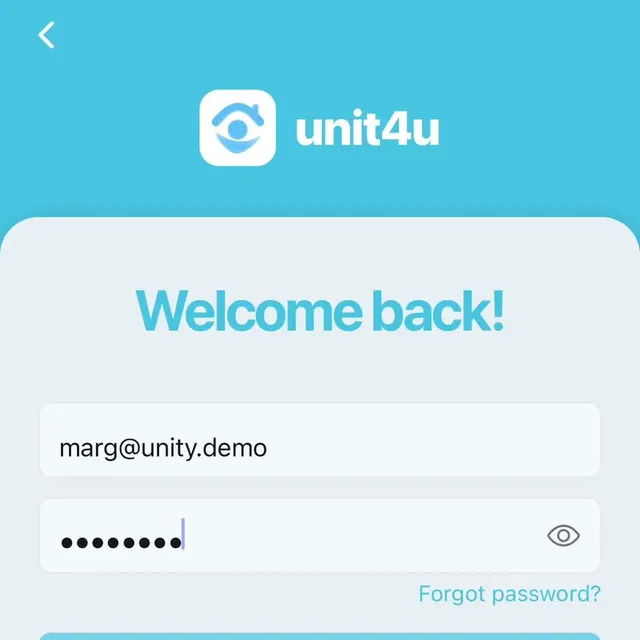
One clear example of this principle in action came from our work with Unit4U—a landlord and tenant portal built in just ninety days. The goal wasn't to create a flashy website; it was to deliver a functional, mobile-first product that could handle real-world property workflows: secure sign-in, account management, maintenance requests, payment tracking. Every feature was designed to make the landlord-tenant relationship smoother and more transparent.
The result was a platform that didn't just look good—it worked. By focusing on development that converts everyday property tasks into seamless digital interactions, Unit4U gave its users a reason to engage regularly. And that regular engagement is exactly what drives conversion in 2026: a tenant who finds it easy to pay rent online is more likely to renew a lease. A landlord who can see property performance at a glance is more likely to invest in improvements.
Why 90 Days Matters More Than Six Months
Speed to market is a conversion driver in itself. The Unit4U portal was built in just ninety days, which meant the product reached users before their needs changed. In real estate, where lease cycles and maintenance windows are seasonal, a six-month development timeline can mean missed opportunities. A fast, focused build—rooted in clear outcomes rather than endless features—delivers a platform that actually gets used.
This approach aligns with what we call Solutions (opens in a new tab)-driven development. Instead of starting with technology, we start with the user's job to be done. For Unit4U, that meant prioritising the login flow, the request tracker, and the payment interface above everything else. Those core functions are the conversion points. When they work flawlessly, trust builds, and trust translates into long-term tenancies.
Mobile-First Isn't Optional—It's Expected
By 2026, the majority of rental interactions will happen on a phone. Tenants search for properties on mobile, submit applications on mobile, and manage accounts on mobile. Landlords check portfolio health on mobile while on site. Any development that converts must be born mobile-first, not retrofitted later.
Unit4U's portal was designed with small screens in mind from day one. Buttons are thumb-sized; navigation is minimal; loading times are fast. That's not just good UX—it's a conversion lever. A tenant who can quickly approve a renewal on their phone is far less likely to browse other listings. A landlord who can instantly approve a maintenance quote is more likely to keep vacancy low.
The Metrics That Matter Beyond Clicks
Traditional conversion metrics—click-through rates, form submissions—still matter, but Real Estate 2026 demands deeper signals. Look at engagement depth: how often do tenants use the portal? How quickly do they respond to messages? Are landlords checking dashboards weekly or monthly? These behavioural metrics are the new leading indicators of retention and revenue.
A well-built development platform surfaces these insights naturally. When tenant engagement drops, the system can prompt a check-in message. When a landlord hasn't reviewed a property report in two weeks, an automated nudge can prevent a maintenance issue from escalating. That's development that converts friction into action.
From Project to Partnership
The Unit4U project isn't a one-off success story; it's a template for what real estate organisations should expect from their digital investments. A vendor who understands the workflow, the mobile context, and the 90-day rhythm of the market is worth far more than one who builds a checklist of features.
As you plan for 2026, ask yourself: Is your current digital product a brochure or a tool? Does it convert browsers into tenants, or just into inquiries? The gap between those two outcomes is the difference between development that decorates and development that converts. The real estate firms that close that gap first will own the next cycle.