Solutions
Development for Real Estate 2026: The Digital Blueprint for Trust and Growth
As the UK property sector races toward 2026, real estate firms are discovering that strategic digital development is no longer optional — it is the foundation for trust, lead generation, and long-term growth in a competitive market.
Why Development for Real Estate 2026 Matters Now
The property landscape is shifting faster than many industry veterans anticipated. By 2026, the way buyers, renters, and tenants discover and evaluate housing options will be almost entirely digital-first. For real estate businesses — whether they are large developers, niche agencies, or council-backed providers — having a robust digital development strategy is becoming the single most important differentiator in a crowded market.
At Centauri, we have seen first-hand how the right approach to digital development transforms real estate businesses. The key is understanding that "development" goes far beyond aesthetics. It encompasses user experience, performance optimisation, accessibility compliance, and — critically — building the kind of digital trust that converts casual browsers into serious enquiries.
The Trust Economy in Real Estate
Real estate transactions are built on trust. Whether someone is purchasing a home, securing supported accommodation, or investing in commercial property, the decision carries significant financial and emotional weight. In 2026, that trust begins online — often before a single phone call is made.
A recent study by the National Association of Realtors found that 97% of homebuyers use the internet during their property search. For supported housing providers and council-backed organisations, this figure is even more pronounced, as vulnerable individuals and their families rely heavily on digital information to make informed choices.
The challenge many real estate firms face is that their digital presence does not match the quality of their physical offerings. Websites are slow, difficult to navigate, or fail to clearly communicate the range of services available. This disconnect erodes trust before the first interaction.
Digital Development as a Strategic Asset
Development for real estate in 2026 is about creating digital environments that mirror the professionalism and care of the physical properties they represent. It is about architecture, but of the digital kind — clean information structures, intuitive navigation, and thoughtful design that guides users toward the solutions they need.
Successful real estate development strategies prioritise:
- Performance and speed: Studies show that a one-second delay in page load time can reduce conversions by 7%. For real estate sites, where high-quality imagery and property listings are essential, performance optimisation is non-negotiable.
- Mobile-first design: Over 60% of property searches now begin on mobile devices. Development must prioritise responsive, touch-friendly interfaces that work flawlessly across devices.
- Accessibility compliance: With the 2024 accessibility regulations now fully in place, real estate websites must meet WCAG 2.1 AA standards. This is not just a legal requirement — it opens doors to a wider audience, including those with disabilities.
- Clear information hierarchy: Complex property portfolios, multiple service lines, and compliance documentation must be organised in ways that help users find what they need without friction.
A Case in Point: AnaisxNeha Property
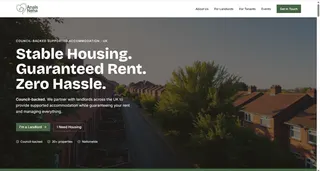
One of the clearest examples of development for real estate done right comes from our work with AnaisxNeha Property. As a council-backed supported housing provider operating across the UK, they needed a digital presence that could match the quality of the accommodation they offer and the seriousness of their mission.
We approached the project with a singular focus: build trust through clarity. The resulting website was designed and developed to give the brand a strong digital presence, clearly communicating the range of supported living solutions available. Every element — from the colour palette to the navigation structure and the call-to-action placement — was optimised to reassure tenants, families, and referring local authorities that they were dealing with a professional, reliable organisation.
The project demonstrated a core principle of modern real estate development: when done well, digital development becomes a strategic asset rather than a technical afterthought. The site does not just look good — it works hard to generate enquiries, build credibility, and streamline communication between the provider and the communities it serves.
The SEO Connection: Visibility Drives Results
Development for real estate in 2026 also means building search-engine-optimised foundations from the ground up. A beautiful website is useless if no one can find it. Technical SEO considerations — including semantic HTML structure, schema markup for property listings, optimised metadata, and fast rendering — must be integrated into the development process, not bolted on after launch.
For property providers, local SEO is particularly important. When someone searches for "supported housing near me" or "affordable homes in [city]", the websites that rank highest are not necessarily the biggest brands — they are the ones that have been developed with search intent in mind.
Our Solutions (opens in a new tab) team integrates SEO best practices into every development project, ensuring that real estate clients are visible to the right audiences at the right time. This is especially critical for organisations like supported housing providers, where a website must simultaneously serve multiple user groups: prospective tenants, family members, social workers, and local authority commissioners.
Beyond the Build: Maintenance and Evolution
Development is not a one-and-done activity. Real estate websites must evolve alongside changing market conditions, regulatory updates, and user expectations. A forward-thinking development strategy includes ongoing performance monitoring, content updates, security patching, and iterative improvements based on analytics data.
We recommend that real estate firms plan for at least two major development cycles per year — one to refresh design and content, and another to address technical improvements and new feature requests. For organisations operating in regulated sectors like supported housing, this cadence ensures continued compliance and relevance.
The Human Element in Digital Development
Despite all the technology and strategy involved, successful development for real estate ultimately comes down to understanding people. The best developers ask questions about user motivations, anxieties, and decision-making processes before writing a single line of code.
For supported housing providers, this means designing for empathy. A parent searching for accommodation for a vulnerable adult child needs to find reassurance and clear pathways to support. A local authority commissioner needs to access compliance documentation and referral processes without barriers. Every user journey must be anticipated and optimised.
Our work with AnaisxNeha Property embodied this approach. The website was not designed for a generic "user" — it was designed for real people making real decisions about where to live and how to access care. This human-first mindset is what separates effective development from simply building another property listing site.
Preparing for 2026
The real estate firms that will thrive in 2026 are those investing in digital development today. This means:
- Conducting a full audit of current digital assets
- Identifying gaps in user experience, performance, and accessibility
- Building a roadmap for iterative improvements
- Partnering with development teams who understand the specific needs of the property sector
The cost of inaction is measurable. Slow websites lose leads. Confusing navigation loses trust. Poor mobile experiences lose entire demographics of potential tenants and buyers. Development for real estate in 2026 is not a luxury — it is the price of entry for any organisation serious about growth.
A Final Word on Partnership
At Centauri, we believe that the best digital development happens when agencies and real estate clients work as true partners. This means shared goals, transparent communication, and a willingness to challenge assumptions about what a property website can be. The results speak for themselves — cleaner interfaces, stronger brand experiences, and measurable improvements in enquiry rates and user satisfaction.
The road to 2026 is already here. For real estate businesses ready to build the digital foundation they need for the next decade, the time to start developing is now.
Want the full story? Read our case study with AnaisxNeha.