Marketing
Content Marketing That Converts: Why 2026 Belongs to the Food & Beverage Brands Who Tell Better Stories
Forget flashy ads—the brands winning in 2026 are using content marketing that converts by building real, repeatable moments of connection with hungry local audiences.
Walk down any high street in the UK, and you'll see them: cafés with chalkboard menus outside, takeaways with neon signs, bakeries with glass counters full of golden pastries. The food and beverage industry has always been a visual one, but in 2026, standing out goes far beyond good lighting and a tidy Instagram grid. The brands that are winning are the ones who treat content as a product itself—something so useful, beautiful, or relatable that people stop scrolling, save it, share it, and eventually walk through the door.
The shift is real, and it's measurable. As digital noise intensifies and ad costs climb, the most sustainable growth lever for local food and beverage businesses is no longer paid promotion alone. It's content marketing that converts—strategic, sensory-led storytelling that turns casual scrollers into loyal regulars. Centauri has been tracking this shift closely, and the data coming out of Birmingham's most competitive food strip tells a compelling story.
The New Rules of Content Marketing in Food & Beverage
The era of "post a photo of a latte and pray" is over. In 2026, the most effective content marketing strategies are built on three core principles: relevance, repetition, and resonance.
- Relevance means knowing your audience so deeply that every piece of content feels like it was made just for them. For a local café, that might mean highlighting the morning rush for commuters, the quiet afternoon study corner, or the weekend brunch crowd. Each segment expects a different story.
- Repetition is about showing up consistently. One viral post won't build a sustainable business. A steady drumbeat of authentic, high-quality content builds memory structures that make your brand the default choice when hunger strikes.
- Resonance is the emotional payoff. People don't share menu items—they share feelings. Content that captures the warmth of a conversation, the steam rising from a fresh brew, or the simple joy of a perfectly toasted sandwich creates a sense of belonging that a billboard never could.
For food and beverage businesses, this is a huge opportunity. You already have something most industries don't: a product that is visually compelling, smells good, and sparks immediate emotion. The question is whether you're packaging that into content that actually converts.
One Café, One Coventry Road, +415,000 Reasons to Believe
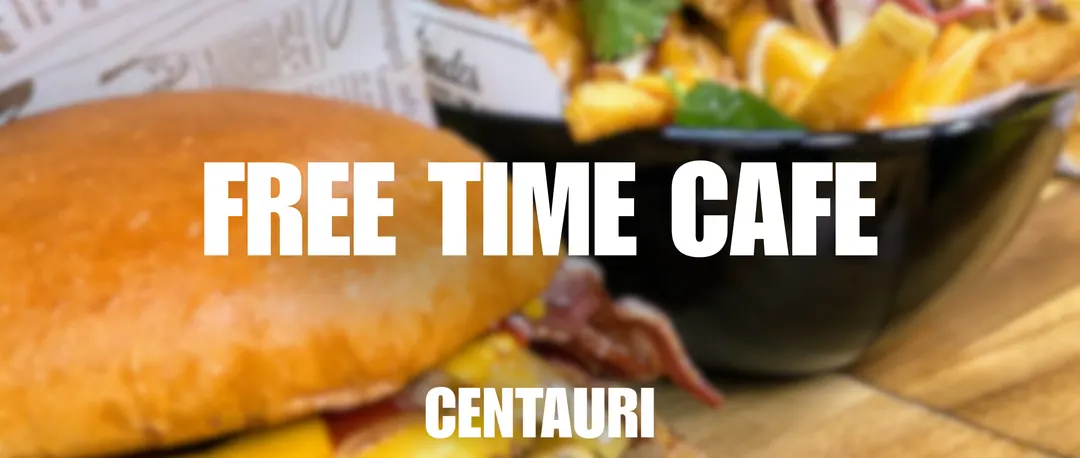
Consider a real-world example from Birmingham's Coventry Road—a stretch so saturated with cafés and takeaways that even locals struggle to name them all. In the middle of this noise, Free Time Café worked with Centauri to flip their content approach from "let's post what we serve" to "let's show why people love being here."
The strategy was simple but deliberate. Instead of stock food photography or hurried phone snaps, Centauri deployed a refined content strategy centred around high-quality, sensory-led visuals. Every frame was designed to highlight freshness, atmosphere, and everyday café appeal. Think: a barista carefully pouring milk into a cup, natural light catching the steam, the sound of a spoon clinking against ceramic. These aren't products—they're moments.
The results speak for themselves. Free Time Café generated +415K views from a targeted content marketing campaign that leaned into relatable, repeatable moments. That's nearly half a million impressions generated not by shouting louder, but by telling a more human story.
What's crucial here is that this wasn't a one-hit-wonder. These views translated into foot traffic, repeat visits, and a growing community of people who felt connected to the café before they even stepped inside. That's the essence of content marketing that converts—it builds a bridge between the screen and the front door.
Why 2026 Is the Year of Local-First Content
There's a broader trend at play, and it's accelerating. Across the UK, consumers are increasingly looking for brands that feel local, authentic, and embedded in their communities. The pandemic-era shift toward supporting local businesses hasn't faded—it's matured. People don't just want to buy a coffee; they want to support a place that feels like theirs.
This plays directly into the strengths of content marketing. A local café can create content that a global chain simply can't: the regular customer who waves every morning, the street art visible from the window, the handwritten specials board. These are assets. They're also content gold.
In 2026, the food and beverage brands that thrive will be the ones that treat their location as a creative advantage, not a logistical constraint. A centrally-managed brand might have budget, but it can never replicate the genuine warmth of a shop owner talking about why they chose that neighbourhood. Content that converts comes from a place of truth.
From Views to Revenue: Measuring What Matters
It's easy to get seduced by vanity metrics—likes, shares, reach. But for food and beverage businesses, the real question is this: did the content drive someone to walk in?
Centauri's approach to Marketing (opens in a new tab) is built around this idea. Every piece of content, every campaign, every call to action is designed with a direct line to business outcomes. For Free Time Café, the +415K views weren't an end in themselves—they were a proxy for attention that could be converted into repeat custom. The café's visibility on Coventry Road skyrocketed not because they ran a flashy ad, but because they became a consistent presence in the feeds of people who live and work nearby.
The lesson for other food and beverage businesses is clear: don't measure success by how many people saw your post. Measure it by how many people felt compelled to visit, order, or return. Content marketing that converts closes that gap.
Practical Steps to Build Your Own Converting Content Engine
If you're running a food or beverage business and wondering where to start, here are three actionable moves that align with the 2026 landscape:
- Invest in sensory storytelling. Stop posting pictures of food on a plate. Show the process. Show the people. Show the atmosphere. Use video, sound, and natural light to make people feel like they're already there.
- Go local with your message. Mention your street, your neighbourhood, your regulars. Use location-based hashtags and tag nearby landmarks. The algorithm rewards local relevance, and so do your customers.
- Commit to a cadence. One post a week won't cut it. Aim for daily or near-daily content that feels varied but cohesive. Plan around your busy times—show the morning prep, the lunch rush, the evening wind-down. Consistency builds trust.
None of this requires a massive budget. It requires intention, a clear strategy, and a willingness to show up as yourself. The food and beverage businesses that master this in 2026 won't just survive the competition—they'll become the places everyone else is trying to catch up to.
The Bigger Picture: Content Marketing as a Growth Lever
Ultimately, content marketing that converts is not a tactic. It's a philosophy. It's the recognition that your customers are bombarded with choices every single day, and the brands that win are the ones that make the decision easy, enjoyable, and emotionally rewarding.
Centauri has seen this play out across multiple industries, but food and beverage remains one of the richest territories for this kind of work. The product is inherently shareable. The audience is inherently local. And the demand for authenticity has never been higher.
Free Time Café's +415K views are a proof point, not a promise. The promise is this: in 2026, every food and beverage business has the tools to tell a story that converts. The only question is whether you're ready to tell yours.