Marketing
Content Marketing That Converts: What Food & Beverage Brands Need to Know for 2026
The food and beverage landscape is shifting fast—here’s how content marketing is becoming the deciding factor between a scroll and a sale in 2026.
The New Rules of Engagement in Food & Beverage Content
If you’re running a food and beverage brand today, you already know the challenge: your audience is scrolling past dozens of meal options every minute. The difference between a quick glance and a click-to-order isn’t just about how good your food looks—it’s about how your content makes them feel. In 2026, content marketing that converts requires a fundamental shift from "look at this" to "imagine yourself eating this."
Consumers are savvier than ever. They can spot a stock photo or a lazy post in a heartbeat. What they crave is authenticity, sensory immersion, and a clear reason to choose your brand over the competition. For the food and beverage sector, this means your content can’t just be a menu with pretty pictures. It needs to tell a story, evoke hunger, and build trust—all within the first few seconds of engagement.
The brands winning right now are those treating content as a product in itself. Every post, every video, every written description is an opportunity to convert curiosity into action. And the data backs this up: businesses that invest in strategic content marketing see up to six times higher conversion rates than those that don’t. But it’s not about volume—it’s about precision.
Why Visual Storytelling Is Non-Negotiable
The most powerful weapon in any food and beverage brand’s arsenal in 2026 is visual storytelling. We’re not talking about a standard overhead shot of a burger. We’re talking about content that makes you almost taste the crunch, feel the warmth, and hear the sizzle. This is where sensory-driven imagery becomes your secret weapon.
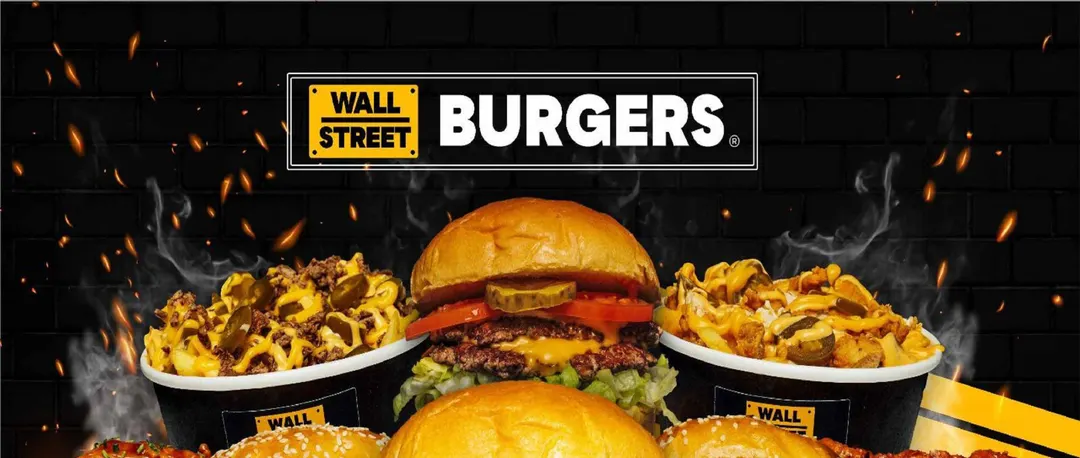
One brand that understood this was Wall Street Burger, a bold, street-inspired burger concept with a strong visual identity, operating in Birmingham’s fiercely competitive takeaway scene. Their challenge wasn’t the food—it was cutting through the noise. With dozens of similar offerings vying for attention on social feeds, their content needed to stop thumbs mid-scroll and turn viewers into visitors.
Centauri partnered with them (opens in a new tab) to deploy a refined content strategy built around high-quality, sensory-driven visuals. The shift was subtle but powerful: cleaner compositions, more dynamic angles, and a focus on texture, steam, and colour. Instead of simply showing the product, the content placed the viewer in the moment. The result? A staggering +380,000 views across their content channels. That’s not just vanity metrics—that’s organic reach turning into real-world brand awareness and, ultimately, sales.
What Wall Street Burger’s success proves is that in the food and beverage space, content doesn’t just support marketing—it is marketing. When done right, it does the heavy lifting of building desire before the customer even steps through the door or opens an app.
Three Pillars of High-Converting Food Content
So, what separates content that converts from content that’s just noise? Based on what’s working in 2026, there are three essential pillars every food and beverage brand should embed into their strategy:
First, sensory immersion. Your content should engage more than just sight. Use video to capture sizzling sounds, slow-motion pours, or steam rising off a hot plate. Describe flavour profiles in your captions that hit sweet, savoury, umami, and heat. The goal is to make the audience’s mouth water—that’s the point where interest becomes intent.
Second, social proof in real time. Show people enjoying your product. Not actors—real customers, real reactions, real environments. User-generated content, shared with permission, builds trust faster than any polished ad. It says, “This isn’t just a pretty picture; it’s a real experience other people are having right now.”
Third, clear, frictionless conversion paths. Every piece of content should have a purpose. Whether it’s a link to order, a store locator, or a limited-time offer, don’t leave your audience guessing what to do next. The best content in the world fails if the viewer doesn’t know how to act on it.
Brands that master these three pillars aren’t just creating content—they’re creating a continuous loop of discovery, desire, and decision.
The 2026 Shift: From Trends to Trust
Looking ahead, the most successful content strategies in food and beverage won’t chase every viral trend. Instead, they’ll focus on building trust. Why? Because after the novelty of a new filter or a dance challenge fades, what remains is the relationship between the brand and the customer. And that relationship is built on consistency, quality, and reliability.
This is where content marketing becomes an investment, not an expense. A single viral video might spike orders for a weekend, but a sustained content strategy builds a loyal customer base that returns week after week. The data from Wall Street Burger’s campaign shows that the impact of thoughtful, consistent content extends far beyond a one-off burst. Those 380,000 views represent impressions that accumulated into a strengthened brand presence—one that continues to pay dividends long after the campaign ends.
For food and beverage brands, the message is clear: start treating your content like a core product. Invest in the visuals, the storytelling, and the strategy. Because in 2026, the brands that convert are the ones that make their audience feel something before they’ve even taken a bite.