Marketing
Community First: How D's Kitchen Reached 3 Million Video Views
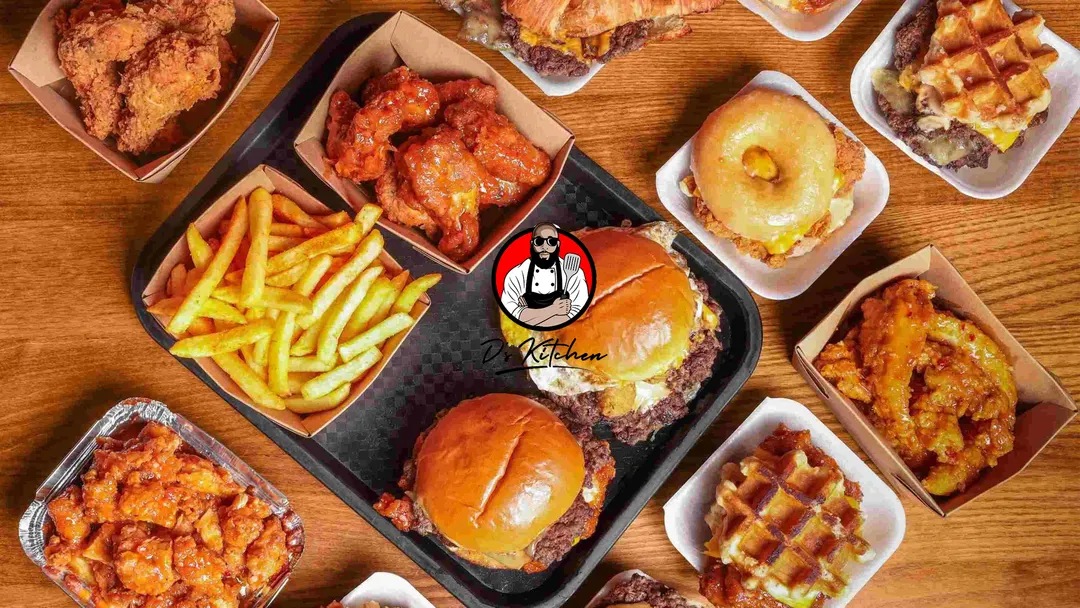
In a crowded digital market, the food and beverage brands winning in 2026 are those building real community connections — and the data proves it.
The New Rules of Food Content Marketing
If you work in food and beverage marketing, you've likely felt the shift. The old playbook — polished product shots, generic recipe posts, and one-size-fits-all promotions — is losing its edge. Consumers are savvier, social algorithms are more demanding, and attention spans are shorter than ever. But here's the opportunity: content that converts in 2026 isn't about shouting louder; it's about creating belonging.
We've seen this transformation up close. The brands experiencing real growth aren't just selling meals — they're inviting people into a story. They're using content marketing to build anticipation, showcase authenticity, and turn casual scrollers into loyal customers. And the numbers back it up.
According to recent industry data, food and beverage businesses that prioritise community-driven content see significantly higher engagement rates compared to those relying on standard advertising. The difference lies in how they approach their audience: not as passive viewers, but as active participants in a shared experience.
For example, a restaurant launching a new location today can't just post a "now open" graphic and hope for the best. Instead, the most successful campaigns treat the launch as a narrative event — teasing the journey, featuring the people behind the food, and creating moments that feel exclusive and worth sharing. This approach doesn't just build awareness; it builds emotional investment.
Why Authenticity Outperforms Perfection
One of the biggest misconceptions in food and beverage marketing is that content needs to be glossy. In reality, the content that converts best in 2026 is raw, real, and relatable. Consumers crave transparency — they want to see the sizzle of the grill, the hands preparing the dish, the laughter in the kitchen. They want to know the founder's story, not just the menu.
This is where many brands trip up. They invest heavily in professional photography and scripted videos, but the numbers consistently show that behind-the-scenes footage, candid interviews, and user-generated content outperform polished campaigns. Authenticity builds trust, and trust drives conversions — whether that's a click to order, a reservation made, or a social share that brings in new customers.
The most effective content strategies blend high-quality storytelling with genuine, unfiltered moments. Think of it as a mix: your hero content can be beautifully produced, but your daily feed should feel like a conversation. When done right, this balance creates a brand personality that feels both aspirational and accessible.
The Proof: A Case Study in Community-Driven Growth
To illustrate what this looks like in practice, consider D’s Kitchen, a restaurant brand that began as a humble delivery service in London and is now celebrated for fusing traditional Somali cuisine with modern fast food concepts. When it came time for a major launch, they didn't just announce it — they built anticipation through a carefully crafted content marketing strategy.
Centauri developed a community-driven social media approach that used targeted local teasers on TikTok and Instagram. The campaign didn't rely on generic ads; instead, it shared behind-the-scenes footage, highlighted the founder's journey, and used interactive content to involve the local community. The results speak for themselves: 3 million video views, 2.2 million post views, over 123,000 likes, and more than 137,000 accounts reached.
What's remarkable is not just the scale, but the quality of engagement. These weren't passive views — these were people watching, liking, commenting, and sharing. That level of interaction signals a deep connection, and it's exactly the kind of response that content marketing can generate when it's built around community rather than interruption.
The takeaway for other food and beverage brands is clear: you don't need a massive budget to achieve massive results. You need a strategy rooted in storytelling, local relevance, and genuine interaction. The brands that will thrive in 2026 are those that treat their customers as part of the story, not just the audience.
Key Ingredients for a Converting Content Strategy
Based on what's working now — and what the data says will work in 2026 — here are the core elements every food and beverage brand should build into their content marketing:
1. Localised storytelling. National campaigns have their place, but the content that converts most effectively is hyper-local. Feature the neighbourhood, the regulars, the local suppliers. People support brands that feel like part of their community.
2. Founder and team narratives. Consumers want to know who's behind the food. Sharing the founder's journey, the chef's inspiration, or the team's culture humanises the brand and creates emotional hooks that drive loyalty.
3. Interactive and exclusive content. Polls, countdowns, Q&As, and limited-time previews give audiences a reason to engage and return. When people feel they're part of something exclusive, they're more likely to act.
4. Video-first, but not video-only. Short-form video dominates, but it works best when complemented with static posts, stories, and text-based storytelling. Diversify your content types to reach different segments of your audience.
5. Clear calls to action that feel natural. Every piece of content should guide the viewer somewhere — whether it's to your website, your menu, or a reservation page. But the call to action should feel like a natural next step, not a hard sell.
Looking Ahead: 2026 and Beyond
As we move further into 2026, the brands winning in food and beverage will be those that embrace content marketing as a relationship-building tool, not just a promotional channel. The algorithm might change, but the fundamentals won't: people want to connect with brands that feel human, transparent, and invested in their community.
For brands looking to start or refine their approach, now is the time to invest in a strategy that prioritises authentic storytelling over polished advertising. The data from campaigns like D's Kitchen's shows that when you get the content right, the results follow — not just in views and likes, but in real, measurable business growth.
If you're ready to explore how content marketing can work for your food or beverage brand, Centauri's marketing services (opens in a new tab) are built around exactly this philosophy: community-first, data-informed, and results-driven. The next big success story could be yours.
Want the full story? Read our case study with D's Kitchen.