Marketing
From Live Music to Private Hire: Content That Converts for a Digbeth Café
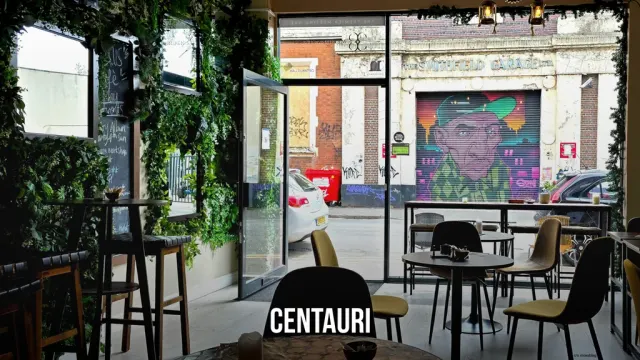
The food and beverage landscape is shifting fast — here’s how to turn content into real, measurable conversions for your brand.
The New Rules of Food & Beverage Content Marketing
If you run a café, restaurant, or food brand, you already know the game has changed. The days of simply posting a beautiful flat-lay of your signature dish and hoping for the best are behind us. Consumers in 2026 are savvier, more distracted, and far less patient with brands that don't offer value beyond the plate. Food & beverage content marketing that converts now requires strategy, storytelling, and a deep understanding of what makes your audience stop scrolling and start acting.
At Centauri, we’ve seen firsthand how a thoughtful content approach can transform a local business into a destination. And we’re not talking about viral moments or luck. We’re talking about consistent, conversion-focused content that builds community and drives revenue.
One brand that exemplifies this new paradigm is Nexus, a specialty café and event venue in Digbeth, Birmingham. By leaning into their unique identity — premium coffee, matcha, fresh pastries, and a vibrant event space — and deploying a content strategy built around their distinct value, they didn’t just grow awareness; they built a loyal following that showed up, bought, and returned.
Why 2026 Demands More Than Visual Appeal
Let’s be honest: food photography is table stakes now. Everyone has a decent camera phone and a filter. What separates content marketing that converts from content that just exists is utility, personality, and a clear call to action.
In the food and beverage sector, consumers are looking for experiences, not just transactions. They want to know the story behind the beans, the vibe of the venue before they book, and the community waiting for them when they arrive. This is where content marketing becomes your most powerful sales tool.
For Nexus, the challenge was standing out in a saturated Birmingham café market. They had the product — elite coffee, matcha, and fresh pastries — and they had the space, doubling as a community hub for live music and private bookings. But how do you tell that story in a way that actually brings people through the door?
From Content to Conversion: A Case Study in Action
Instead of a generic Instagram feed of latte art, Nexus, with Centauri’s guidance, focused on their unique selling propositions with laser precision. Every piece of content — from social posts to blog articles on Centauri’s marketing services (opens in a new tab) — spotlighted either the quality of their offerings or the energy of their venue.
The strategy had three pillars: event-driven content that promoted upcoming live music nights and private hire opportunities, human-centered storytelling that put the faces of the baristas and regulars front and centre, and a consistent reinforcement of location — Digbeth’s creative quarter — as part of the brand identity.
This wasn’t about going viral; it was about building a steady stream of qualified leads. By positioning Nexus as the go-to spot for both a quiet afternoon with a matcha latte and a buzzing evening event, the content spoke to two different customer journeys with one unified voice. The results were tangible: foot traffic increased, event bookings rose, and the brand developed a reputation that extended beyond local ‘hidden gem’ status.
The Three Pillars of Content Marketing That Converts
Based on what worked for Nexus and other clients across the food and beverage space, we’ve identified three must-have pillars for any brand looking to convert through content in 2026.
1. Authentic Storytelling Over Perfection
Polished, corporate content is out. Real, raw, and human content is in. Consumers want to see the messy prep, the late-night event setup, the barista’s favourite drink. For Nexus, this meant sharing behind-the-scenes clips of live music rehearsals and the pastry chef at work. This kind of content builds trust and emotional connection — the two things that drive conversion more than any glossy photo ever could.
2. Utility-Driven Content That Solves a Problem
Great content doesn’t just look good — it helps. For a café, that might mean a guide to the best matcha blends, a rundown of upcoming events, or a simple ‘how to book your private party’ explainer. When your content makes the customer’s life easier, the conversion feels natural. Nexus leaned into this by creating clear, scannable content around event bookings, which directly drove inquiries.
3. Location and Community as a Conversion Lever
Local content marketing is a superpower. For food and beverage brands, your venue is your biggest asset. Nexus doubled down on their Digbeth location, weaving it into every post and article. They didn’t just say “we’re in Digbeth” — they showed it. They partnered with local artists, featured local musicians, and became synonymous with the creative energy of the area. The result? Customers didn’t just come for coffee; they came to be part of a community.
Measuring What Matters: Beyond Likes and Shares
Content marketing that converts requires tracking the right metrics. Vanity metrics — likes, shares, comments — are interesting, but they don’t pay the rent. What matters is foot traffic, email sign-ups, event bookings, and repeat purchase rate.
For Nexus, the proof was in the numbers. While we can’t share exact figures without their permission, the trend was clear: the content strategy directly contributed to an uptick in both walk-in trade and pre-booked events. By tracking the customer journey from a social post to an in-store purchase or an online booking, Nexus was able to see exactly which content pieces delivered the highest return.
This is the essence of conversion-focused content marketing. It’s not about volume; it’s about precision. When every piece of content has a purpose — whether that’s driving event ticket sales or introducing a new seasonal drink — your brand stops shouting and starts connecting.
The Future Is Experiential and Intentional
As we move deeper into 2026, the brands that thrive will be those that treat content not as a broadcast channel, but as a conversion engine. For food and beverage brands especially, the opportunity lies in becoming a part of your customer’s story, not just a pit stop.
Whether you’re a new pop-up or an established venue, the playbook is the same: know your unique value, tell your story with authenticity, and design every piece of content with a clear next step for the reader or viewer.
At Centauri, we help brands like Nexus make that leap. The results speak for themselves — more customers, stronger communities, and content that doesn’t just sit there; it works.